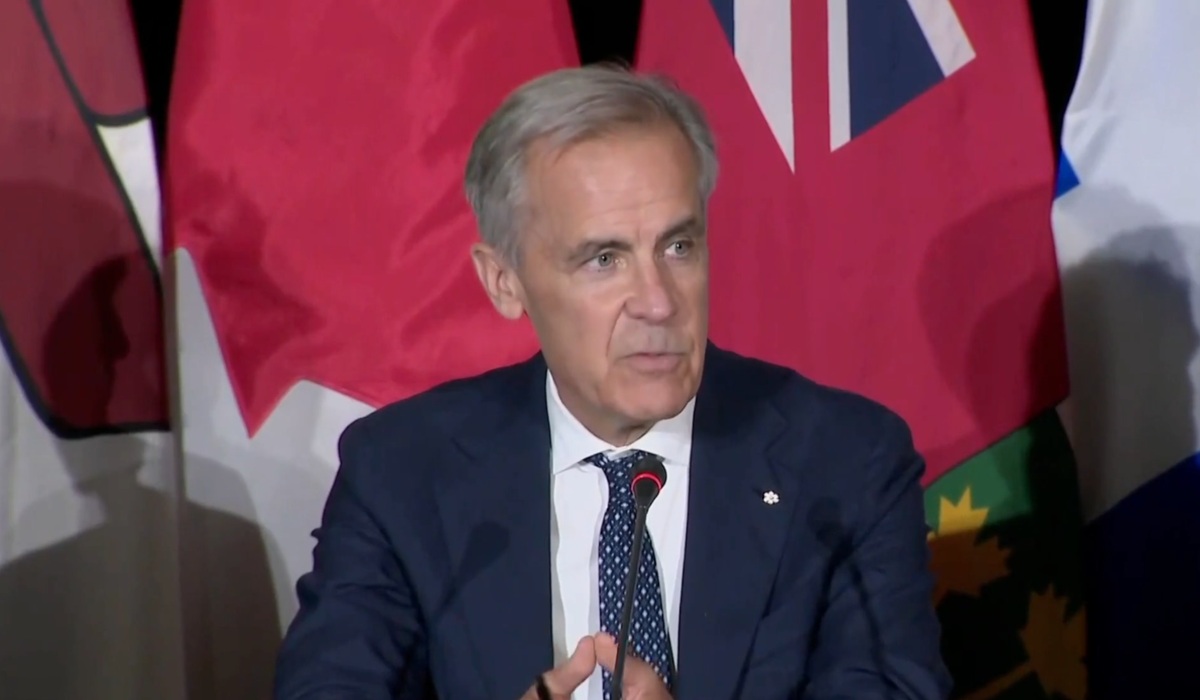
OTTAWA — The federal government has officially launched an ambitious regulatory and economic transformation strategy designed to overhaul major project assessments and catalyze private sector investments across the country. Gathered in Toronto for the high-profile Canada Investment Summit, senior federal officials, institutional investors, and corporate leaders outlined a sweeping legislative and administrative agenda intended to position the national economy as the most competitive and agile jurisdiction within the G7. At the heart of this federal initiative is a modernization of the regulatory and permitting framework managed through the Canada Energy Regulator and associated federal bodies, ensuring that nation-building initiatives, interprovincial power lines, and critical infrastructure projects clear administrative hurdles without unnecessary duplication.
Alongside these structural regulatory changes, the administration introduced the Productivity Mega Deduction, a permanent tax mechanism allowing businesses to immediately expense a wide range of depreciable property in the exact year it becomes available for use. Federal policymakers believe this aggressive tax incentive will trigger a multi-year national investment supercycle, drawing tens of billions of dollars in foreign and domestic capital into Canadian industries. The timing of these announcements coincides with monumental private sector commitments, including a historic fifty-two-billion-dollar infrastructure expansion in Saskatchewan focused on sovereign artificial intelligence capabilities and high-capacity data centers.
This massive push toward economic self-reliance and technological sovereignty is paired with targeted social measures to ensure domestic stability. Simultaneously, the federal administration announced supplemental financial provisions under the Canada Disability Benefit framework, providing direct one-time relief payments to help low-income Canadians offset administrative barriers associated with tax credits. By pairing large-scale industrial deregulation and tax reform with targeted support for vulnerable citizens, Ottawa is attempting to project a unified vision of economic resilience.
Industry associations and corporate analysts have largely responded with cautious optimism, praising the government’s recognition that cumbersome bureaucratic delays have historically hampered major resource extraction and clean energy projects. However, environmental watchdogs and regional stakeholders have raised important questions regarding how these expedited review processes will balance rapid capital deployment with rigorous ecological protections and meaningful consultation with Indigenous communities. Federal ministers have maintained that environmental safeguards will not be lowered, but rather managed with greater competence and streamlined efficiency.
As the summit concludes, the federal government faces the formidable task of translating these sweeping legislative intentions into tangible ground-level results. With global investors monitoring Canada’s regulatory agility closely, the success of this multifaceted economic strategy will depend heavily on seamless collaboration between federal authorities, provincial jurisdictions, and indigenous partners. If executed effectively, these reforms could fundamentally alter Canada’s economic trajectory, securing high-paying technical careers and solidifying the nation’s standing as a stable, reliable superpower in an increasingly volatile global marketplace.
About The Author