Blue Horizon in the Deep South: Georgia and Texas Lead a Landmark Political Realignment
- Ingrid Jones
- Southern USA
- November 4, 2026
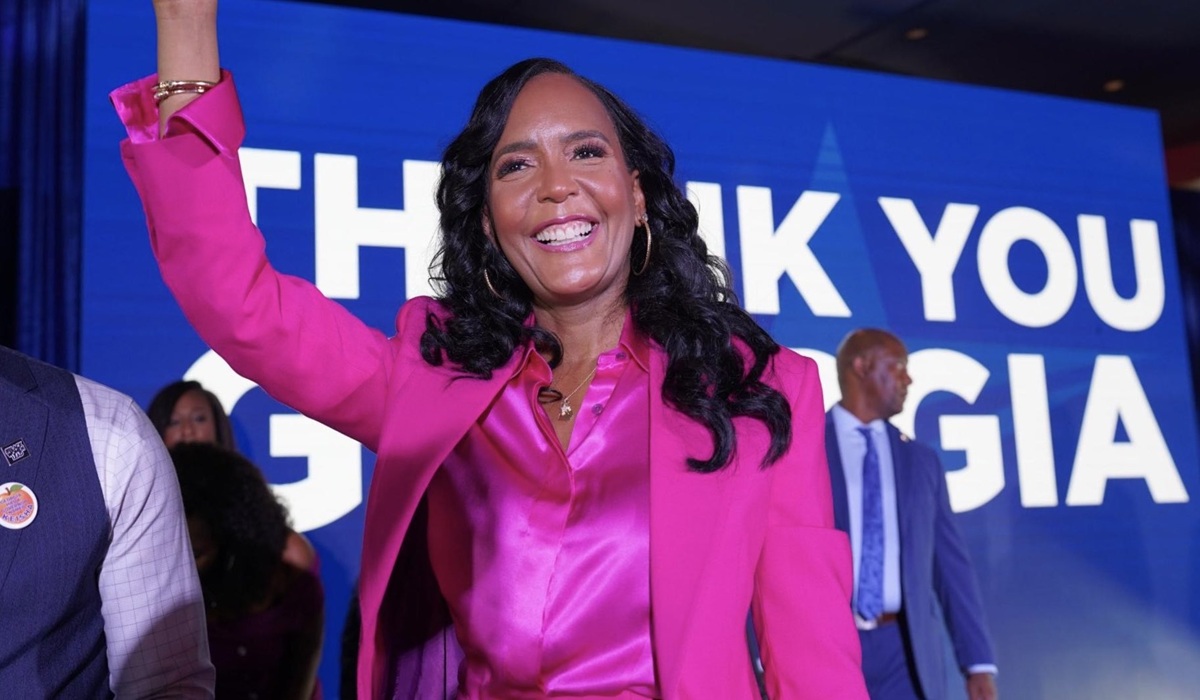
Image Credit: Keisha Lance Bottoms
In the historic halls of Atlanta and the bustling metropolis of Houston, history was forged under the late-night lights of an extraordinary election evening. The Deep South, long considered an impenetrable bastion of traditional conservative governance, experienced an unprecedented political earthquake. For the first time in history, Georgia elected its first Black governor, marking a monumental milestone in the state’s long journey toward racial and political equality. Simultaneously, Texas witnessed a dramatic shift as its governorship turned blue, upending decades of single-party dominance and signaling that demographic shifts and grassroots coalition building had finally reached a tipping point in the Lone Star State.
The atmosphere at the Atlanta campaign headquarters was electric as Democratic candidate Keisha Lance Bottoms defeated Republican nominee Rick Jackson in the Georgia gubernatorial race. Bottoms built a historic coalition that turned out massive numbers in Fulton, DeKalb, and Gwinnett counties, while making unexpected inroads into suburban and exurban communities outside the Metro Atlanta core. The victory marked the culmination of over a decade of tireless grassroots registration drives, voter mobilization, and community organizing. Addressing a roaring crowd, Governor-elect Bottoms emphasized unity, economic opportunity, and structural progress, promising to bridge long-standing urban-rural divides through expanded access to public education and healthcare.
Further west, the story in Texas was no less staggering. Democratic challenger Gina Hinojosa pulled off a historic flip by defeating incumbent Republican Governor Greg Abbott. The gubernatorial race had captured national attention for months, but few predicted the sheer magnitude of Hinojosa’s victory. From the border communities of the Rio Grande Valley to the rapidly expanding suburban belts of Austin, Dallas, and Houston, voters turned out in record numbers. Hinojosa’s platform focused on Texas power grid reliability, public education funding, and healthcare access, galvanizing a broad, multiracial coalition of young professionals, Hispanic voters, and suburban parents to end decades of Republican control in Austin.
Adding to the Southern political upheaval was a stunning turn of events in South Carolina, where the Senate seat formerly held for decades by Lindsey Graham flipped to blue. In a major pickup for Democrats, Annie Andrews defeated incumbent Republican Senator Darline Graham. A powerful surge of energized voters in the Lowcountry and Midlands, combined with moderate suburban voters in Charleston and Greenville, pushed Andrews over the finish line. The victory underscored a growing appetite for fresh leadership and systematic reform, proving that traditional political boundaries across the Deep South were rapidly eroding under changing regional dynamics.
The ripple effects of these Southern victories resonated far beyond state lines. In state capitals across the region, analysts began processing the massive policy shifts that would inevitably follow. Priorities that had long been stalled in conservative legislatures, such as expanding Medicaid, increasing state minimum wages, and investing in renewable energy infrastructure, were suddenly at the top of the legislative agenda. The victories demonstrated that the South was no longer a monolithic political block, but rather a dynamic, evolving region where diverse communities were actively shaping the future of American democracy.
As the sun began to rise over the Southern landscape, the election results stood as a testament to years of persistent groundwork and changing societal norms. The twin gubernatorial victories of Keisha Lance Bottoms in Georgia and Gina Hinojosa in Texas, coupled with Annie Andrews’s landmark Senate win in South Carolina, demonstrated that a new political era had arrived in the South. Voters across the region had shattered historical barriers and redrawn the national political map, proving that when broad coalitions unite around a shared vision, even the most deeply entrenched political norms can yield to meaningful change.
About The Author