Haitian Police and Allied Forces Launch Major Offensive in Port-au-Prince Corridor as Hunger Crisis Deepens
- Naomi Dela Cruz
- Breaking News
- November 20, 2026
PORT-AU-PRINCE, Haiti (AP) — Haitian security forces backed by specialized international task force units launched a sweeping armored offensive Thursday into a strategic gang-controlled district on the southern edge of Port-au-Prince, killing at least 34 suspected gang members as authorities attempt to reopen vital transportation arteries ahead of long-delayed national elections.
The coordinated assault targeted Martissant, a densely populated hillside neighborhood that has served since 2021 as a heavily fortified chokepoint severing the capital from Haiti’s southern and western provinces. For more than five years, heavily armed coalitions have used Martissant to extort commercial truckers, fire upon passenger vehicles, and blockade the movement of food, fuel, and medical supplies entering Port-au-Prince.
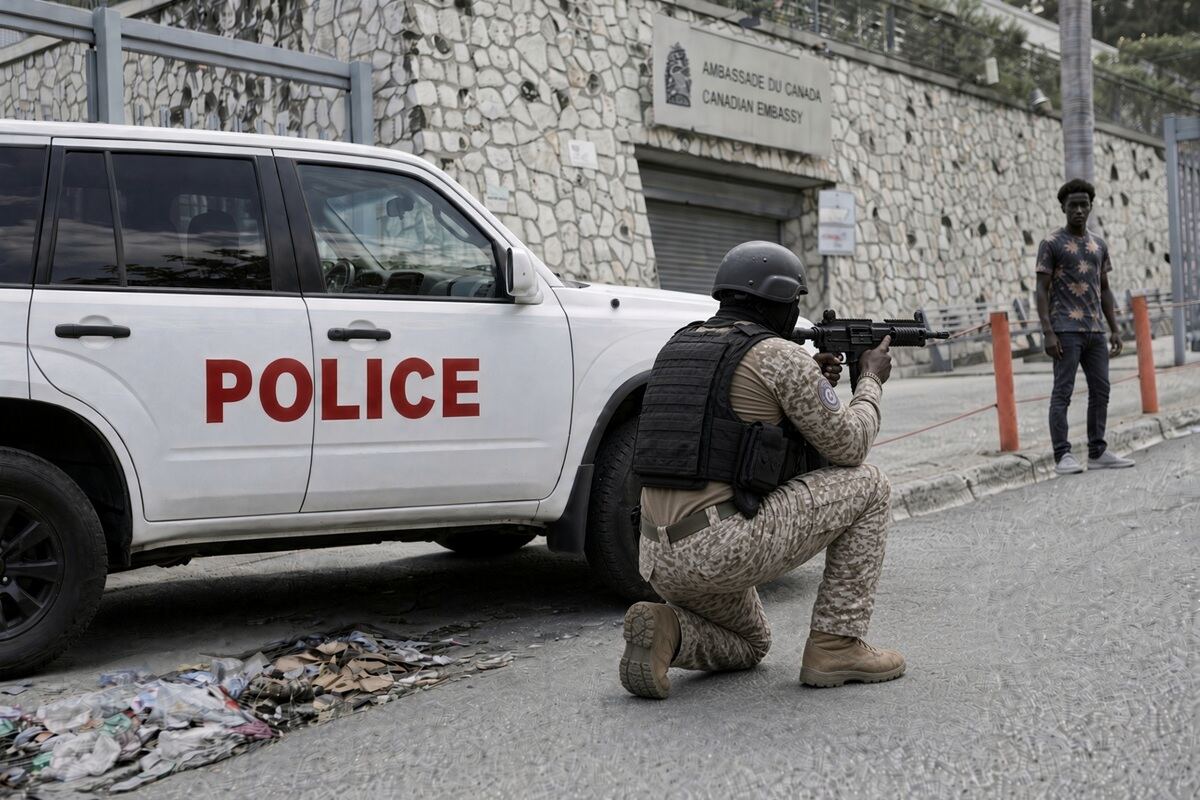
Videos released by the Haitian National Police on Thursday showed convoys of armored tactical vehicles advancing through rubble-strewn streets amid sustained bursts of automatic gunfire and plumes of smoke from collapsing structures. Local media outlets reported the deployment of explosive drones alongside ground units as security personnel moved methodically to clear barricades and neutralize sniper positions. Police officials stated late Thursday that at least 34 suspected gang fighters were killed during the engagement and maintained that no police officers or civilians were injured in the operation.
The raid was executed by Haitian police officers operating alongside a specialized anti-gang task force that includes personnel from Vectus Global, a private security firm established by American contractor Erik Prince, as well as allied military units deployed to the Caribbean nation. The operation marks the most aggressive push yet in a widening security campaign that has accelerated dramatically following the arrival of Salvadoran troops last month.
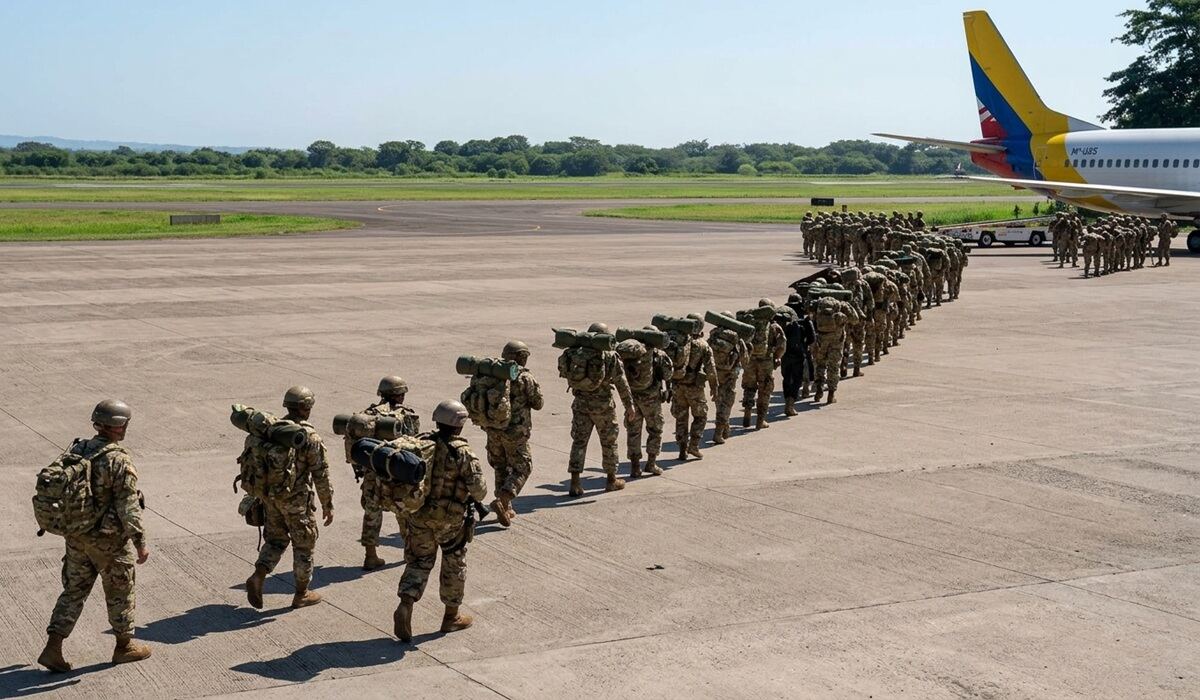
Salvadoran President Nayib Bukele initially dispatched military personnel to Haiti in October to assist in searching for four Salvadoran aviation technicians who vanished after an October 18 ambush near Port-au-Prince. What began as a targeted search-and-rescue mission has rapidly evolved into a broader joint offensive against Haiti’s entrenched criminal syndicates, drawing visible public support from weary residents. Earlier this week, thousands of Haitians marched through the streets of the capital carrying banners praising Bukele and Salvadoran soldiers for confronting the armed groups that have terrorized neighborhoods for years.
Simultaneously, the United Nations-backed Gang Suppression Force has intensified its own operations across multiple fronts. In the northern Port-au-Prince suburb of Tabarre, international personnel initiated daytime stabilization sweeps following months of nighttime reconnaissance patrols aimed at mapping gang strongholds. Commanders of the multinational force stated that their mandate goes beyond temporary displacement, focusing instead on permanently dismantling criminal networks, restoring state institutions, and preventing armed factions from filtering back into cleared communities.
Further north in the central Artibonite valley, Haiti’s primary agricultural breadbasket, Gang Suppression Force troops came under heavy fire while clearing roadblocks and filling defensive trenches dug by gang fighters along National Route 5 near the town of Gros-Morne. International troops returned fire and forced the attackers to retreat, underscoring the fierce resistance armed groups continue to mount across rural supply corridors.
Despite tactical gains on the ground, human rights monitors and United Nations officials have voiced growing alarm over the mounting human cost of the intensified military campaign. According to UN estimates released this week, more than 2,250 people have been killed during security operations across Haiti in the first nine months of 2026 alone, a figure that includes more than 300 civilians caught in the crossfire or killed during sweeps. UN human rights officials warned on Tuesday that atrocious abuses by armed gangs continue unabated, while urging Haitian authorities and international partners to prioritize civilian protection and adhere strictly to international human rights standards.
The relentless insecurity has triggered a catastrophic humanitarian and economic emergency that threatens to engulf more than half the country. According to the latest Integrated Food Security Phase Classification analysis published this week by UN agencies including the World Food Programme, the Food and Agriculture Organization, and UNICEF, more than 5.94 million Haitians, representing 53 percent of the analyzed population, are experiencing high levels of acute food insecurity. Of that total, approximately 1.8 million people face emergency-level hunger conditions just one step below formal famine.
Humanitarian analysts project that conditions will deteriorate further between March and June of next year, when an estimated 6.35 million people are expected to suffer acute food shortages. In impoverished urban zones such as Cité Soleil and the neighboring commune of Cabaret, acute malnutrition among children is projected to reach critical thresholds by May 2027 unless sustained humanitarian access is established.
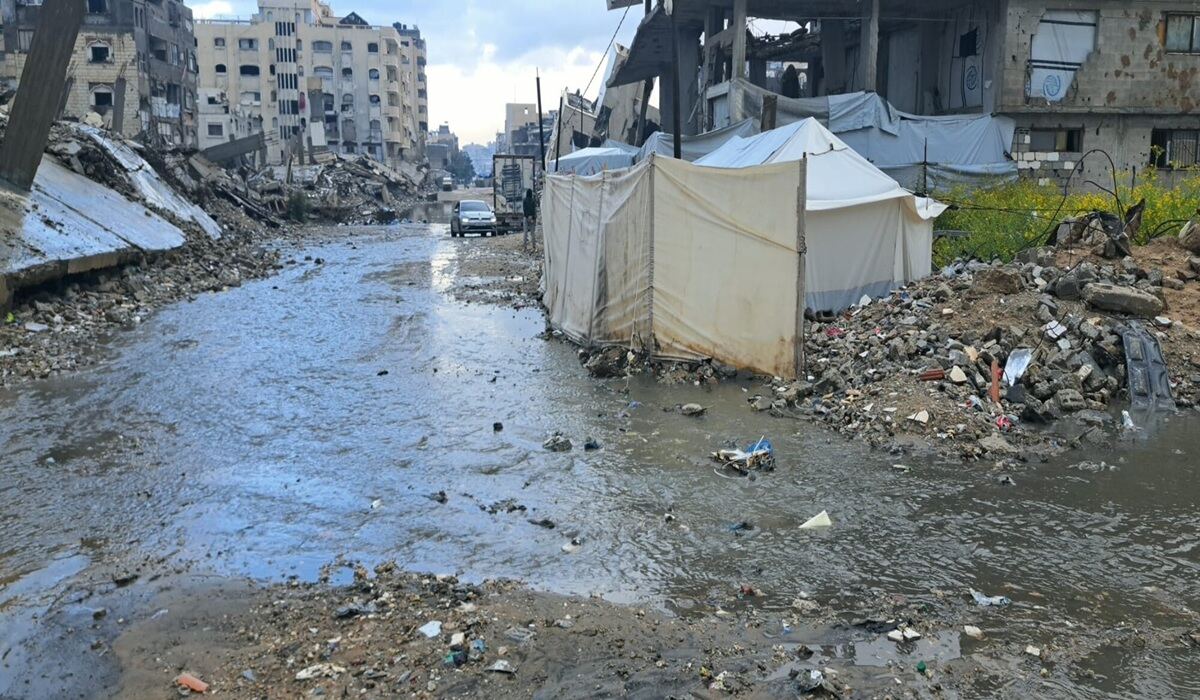
The food crisis is driven by a convergence of gang blockades, mass displacement, and environmental shocks. Roughly 1.49 million Haitians have been driven from their homes by violence, abandoning farms and small businesses to crowd into makeshift shelters lacking clean water or sanitation. Compounding the collapse of domestic food distribution, annual inflation reached 17 percent in August, while rainfall deficits and above-average temperatures linked to El Niño weather patterns have severely curtailed local crop harvests.
Since gangs seized control of Martissant in 2021, hundreds of schools, hospitals, courts, and government ministries have been forced to shutter or relocate, leaving vast swaths of the metropolitan area devoid of basic public services. While the recent resumption of limited commercial flights by major carriers such as American Airlines has provided a vital lifeline into the country, overland transport remains perilous.
All of these military and humanitarian pressures are converging as Haiti attempts to organize its first national elections in more than a decade. The country has operated without an elected president since the July 2021 assassination of President Jovenel Moïse, relying instead on fragile transitional councils that have struggled to assert authority. With the UN Security Council recently extending the mandate of the international anti-gang mission into 2027, transitional leaders face immense pressure to pacify key corridors like Martissant so that voter registration and polling can proceed safely across a nation desperate for stability.
About The Author