
Editorial Board
Image Credit: Jonah de Graaff
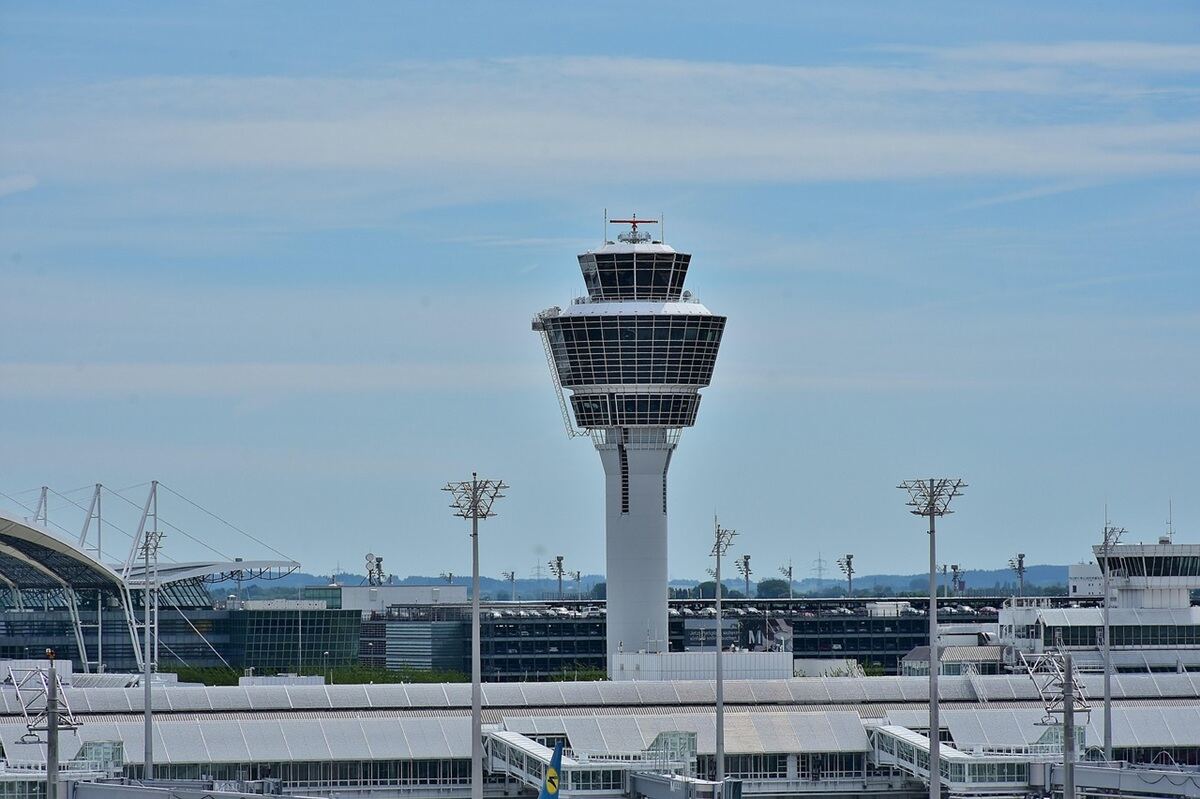
The playbook in Washington rarely changes when critical infrastructure buckles under pressure. Following the massive nationwide Federal Aviation Administration ground stop that stranded thousands of travelers and threw global aviation schedules into chaos, Trump Republicans immediately reached for their most reliable political tool. Rather than owning the crisis unfolding on their watch, administration officials and congressional allies pointed their fingers squarely at the previous administration and decades of legislative neglect. Calling the prior administration a disaster for aviation and demanding tens of billions of dollars in emergency modernization funds makes for a convenient soundbite, yet it rings hollow to anyone paying attention to who holds the levers of power right now.
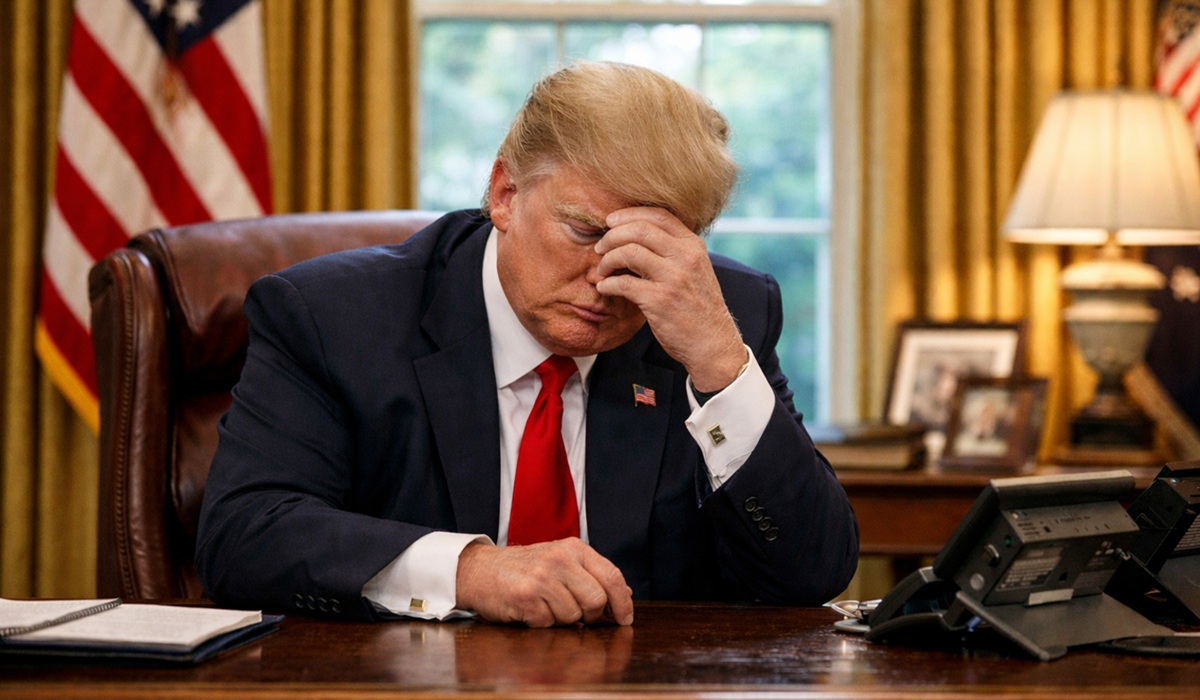
Accountability has an expiration date when you are the one sitting in the Oval Office and controlling both chambers of Congress. Republicans have held the reins of government for two full years. That is twenty four months of budget negotiations, committee hearings, and executive authority that could have been used to audit, overhaul, and reinforce the aging routers and telecommunications networks that just failed. Governance is not an exercise in permanent campaign rhetoric where every operational failure belongs to the person who left the building two years ago. Leadership means inheriting the machinery of the state and fixing what is broken before it brings commercial air travel to a grinding halt.
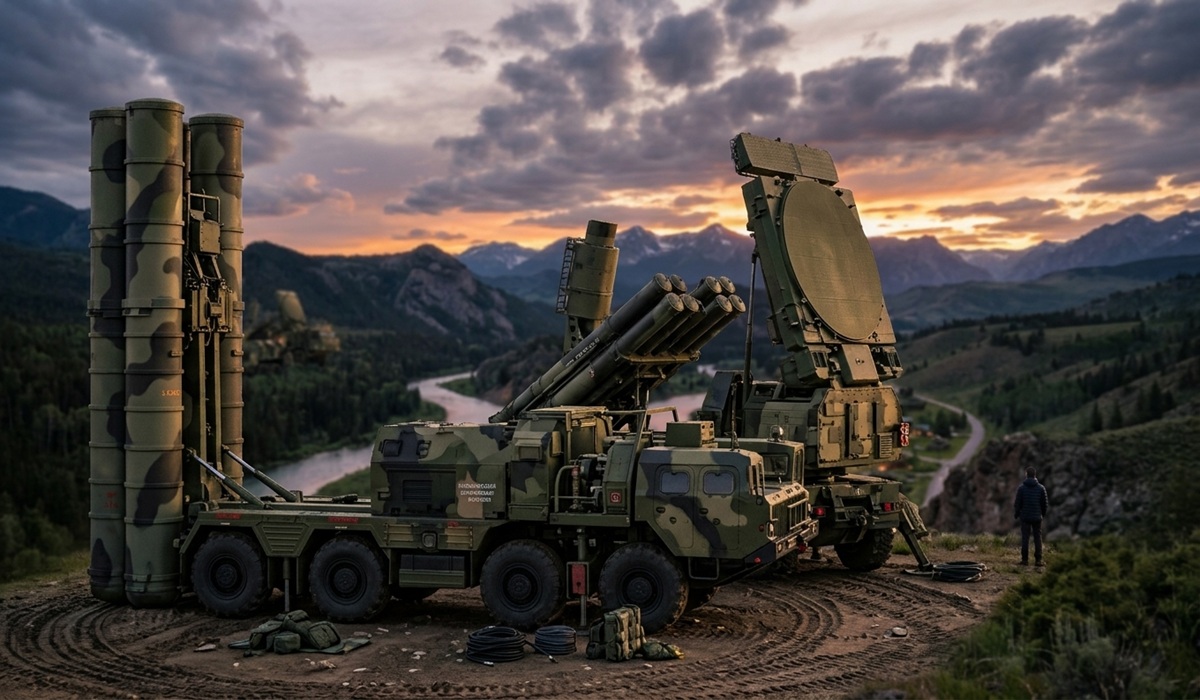
Even more glaring is the sudden insistence that the federal government simply ran out of money to keep the skies running smoothly. Transportation officials are now pleading with lawmakers for up to fifty billion dollars to replace antiquated equipment and decades old software. Yet fiscal scarcity is always a matter of political priorities. When the administration and its allies want to pour tens of billions of dollars into foreign conflicts and military engagements that the American public neither asked for nor needed, the treasury doors swing wide open without hesitation. Finding boundless sums for overseas wars while claiming the cupboards are bare for domestic aviation safety exposes a staggering disconnect between political posturing and actual public service.
Beyond the budget hypocrisy lies a deeper, more unsettling question about what really triggered the nationwide shutdown. Official briefings blame overloaded routers, routine midday maintenance gone wrong, and unexplained instability propagating across air traffic facilities. At the same time, officials were remarkably quick to insist that the outage was merely a telecommunications failure and definitely not a cyberattack. When government agencies rush to rule out a cyber intrusion before a comprehensive forensic investigation has even concluded, skepticism naturally follows. Whether the collapse stemmed from a sophisticated digital breach that officials are desperate to downplay or from sheer administrative negligence in running midday maintenance on fragile legacy hardware, the public is left with the exact same result.
Deflection is not a strategy, and blaming predecessors does not upgrade a single line of code or replace a single failing server. The American public pays taxes expecting basic competence, transparent answers, and infrastructure that works. Until leaders stop treating national crises as public relations battles to be won through finger pointing, travelers will remain grounded by a system held together by excuses.
About The Author