The Illusion of the Billion Dollar Miracle and the Hard Truth About Ending Homelessness
- Don Woodstock
- Canada
- November 7, 2026
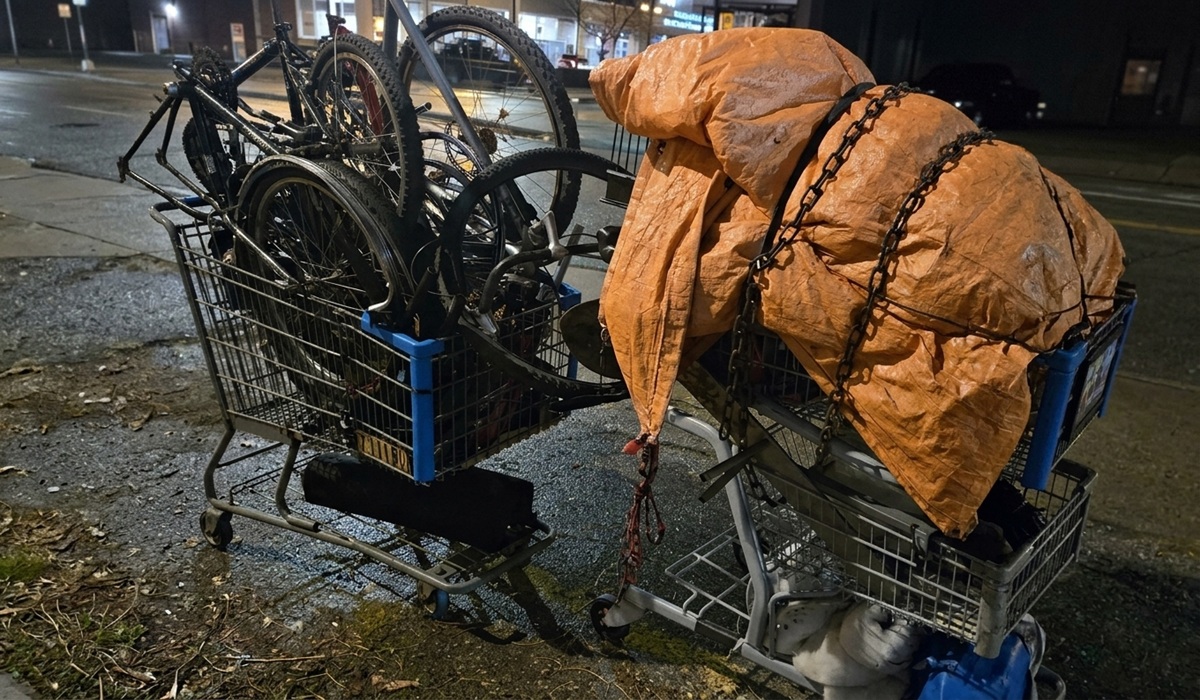
I have said it throughout my campaign and I will say it again: it is far more humane to build proper housing and treat addiction than to leave human beings to freeze on our streets. Winnipeg desperately needs real wrap-around services, housing paired directly with medical care, psychiatric support, and addiction recovery.
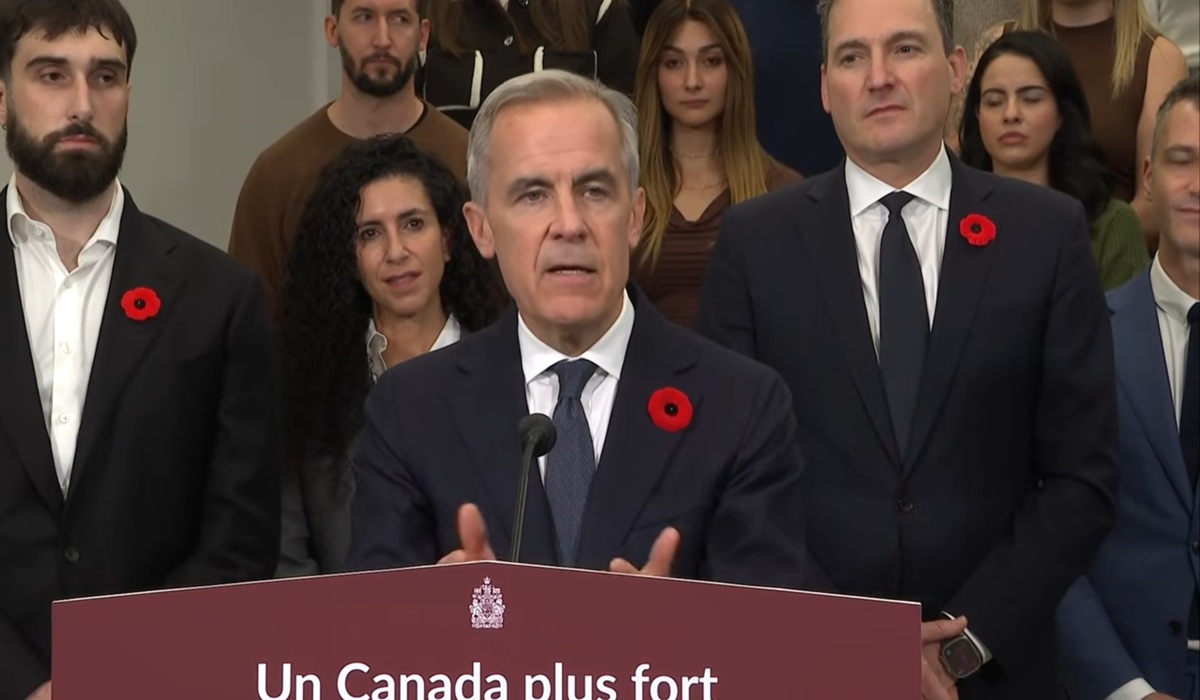
When politicians announced over one billion dollars to tackle homelessness, Winnipeggers sang kumbayah like the crisis was solved overnight. But when you examine how we got here and read the fine print, this headline is a masterclass in political rhetoric and administrative spin.
Look at the policy failure that brought us to this moment. If rehab facilities and wrap-around care are now admitted to be the solution, why did the provincial government waste years pushing supervised injection sites instead of securing this federal partnership from day one? Harm reduction without recovery is a dead end. Injection sites failed across Canada, turning neighbourhoods into crisis zones and enabling addiction instead of curing it. Now that the failure of that strategy is undeniable and leaders are pivoting to treatment, what happens to those injection sites?
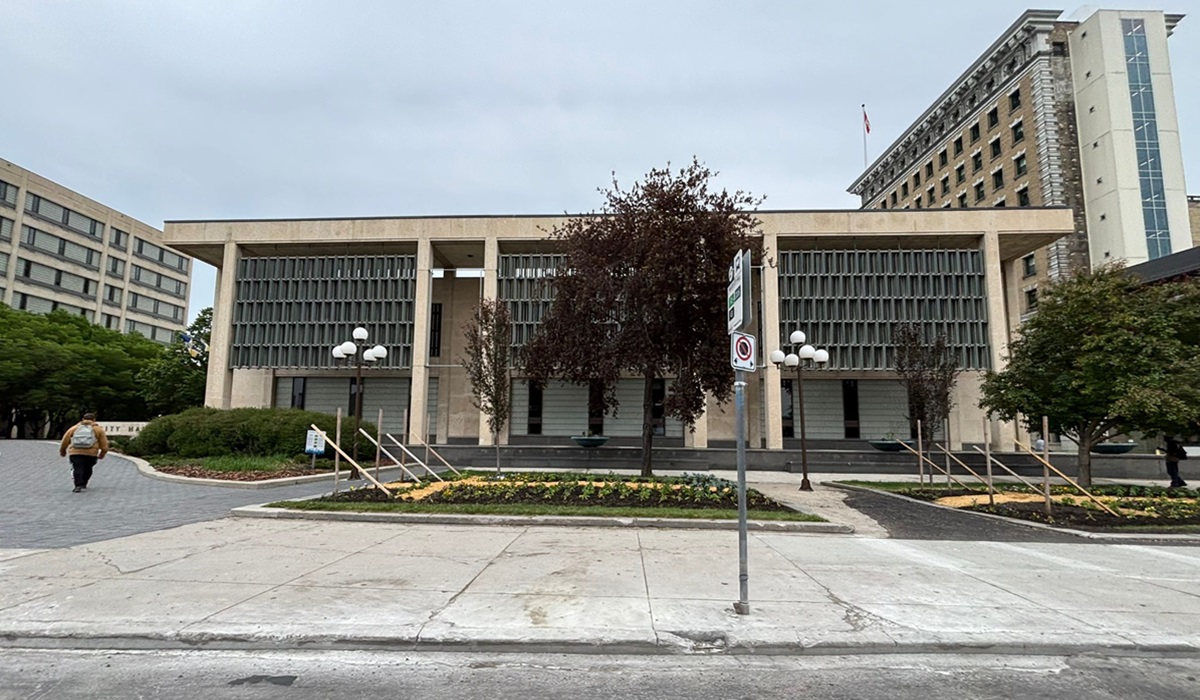
Now look at the financial mechanics. Not a single nickel of that billion dollars goes directly to the City of Winnipeg. City Hall is not getting a cheque. The federal commitment, up to $800 million for 2,000 supportive units and over $200 million for a new Winnipeg Centre for Mental Health and Addictions, is a ten-year capital promise flowing through a maze of intergovernmental accords, provincial departments, and third-party agencies.
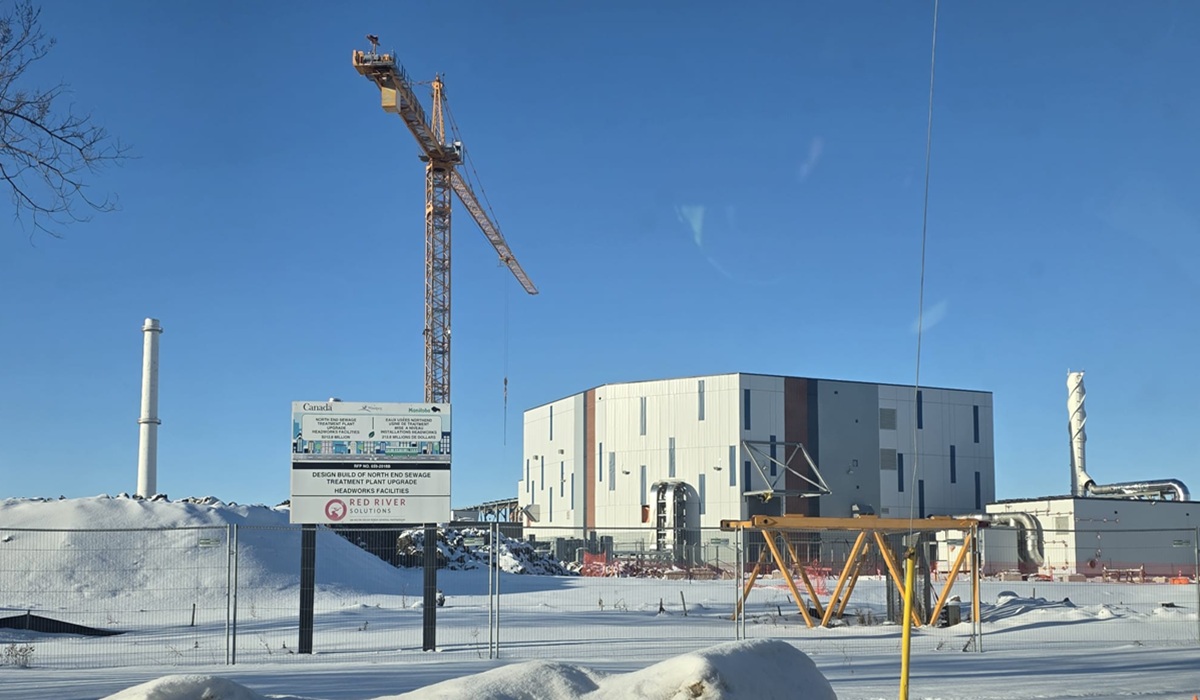
The math reveals where the money actually goes: $1 billion divided by 2,000 units is $500,000 per unit. Beyond medical-grade construction costs, a massive portion of that budget will never buy rebar or drywall, it will be swallowed by soft costs, legal fees, architectural contracts, environmental assessments, and multi-layered administrative overhead before shovels hit the dirt.
Furthermore, concrete walls do not treat addiction. Federal money covers capital construction, but the Province of Manitoba is responsible for funding and staffing ongoing operations. Running these facilities requires tens of millions in permanent provincial operating dollars every year for nurses, counselors, and security. If future provincial budgets shortfall, we will end up with empty or understaffed buildings.
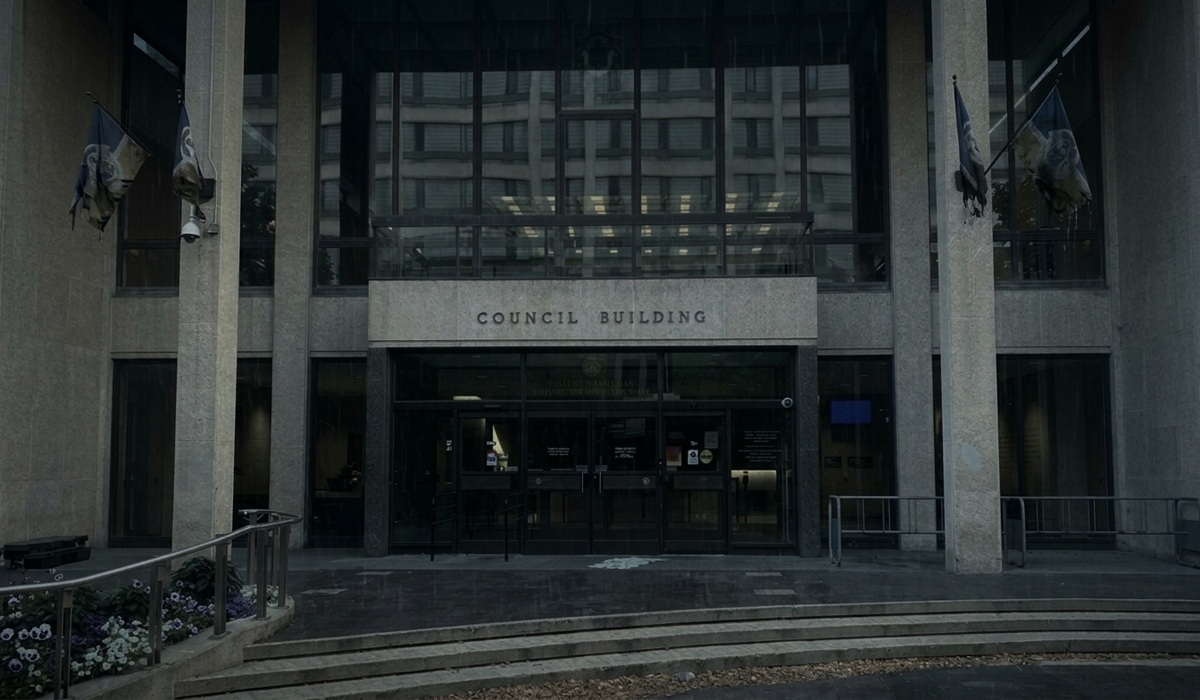
Add to that Winnipeg City Hall, the poster child for red tape. Non-profit developers face a nightmarish gauntlet of permitting delays, committee reviews, and zoning fights that routinely turn 18-month projects into multi-year delays.
The most damning question remains: what are we doing right now? A ten-year plan offers zero shelter to someone sleeping outside tonight. Are politicians saying there is nothing to see here for the next three years while the crisis worsens? Vacant properties across Winnipeg, like the Marlborough Hotel, empty warehouses, and unused commercial buildings, could be retrofitted into immediate shelter today.
Treating people with dignity through genuine wrap-around care is the only moral path forward. But until we cut through the red tape, utilize existing vacant buildings, eliminate administrative friction, and lock in long-term operational funding, this billion-dollar headline remains a grand political illusion while our most vulnerable citizens pay the price.
About The Author