A well-balanced garden does not necessarily contain perfectly symmetrical flower beds or carefully arranged rows of identical plants. Instead, successful landscapes establish a relationship between natural growth, thoughtful maintenance, and the practical needs of the people who use them. Gardens evolve continuously as plants mature, seasons change, and environmental conditions influence their development. Understanding that process allows homeowners to create outdoor spaces that remain attractive without demanding constant intervention.
The challenge involves recognizing that the secret to creating a well-balanced garden extends beyond selecting colorful flowers or installing attractive pathways. Trees, shrubs, groundcovers, and open spaces must function together as parts of a larger environment. Each element influences the appearance and performance of surrounding plants, making long-term planning essential. A garden achieves its greatest potential when aesthetic decisions support healthy growth rather than competing with it.
Many homeowners begin landscaping projects by focusing on immediate visual results. They purchase plants that look appealing at a garden center and arrange them according to their current size. Although this approach can produce an attractive initial presentation, it may overlook how those plants will develop over several years. Mature dimensions, root systems, sunlight requirements, and seasonal changes all influence whether a planting arrangement remains practical.
A more sustainable approach begins with observing the property itself. Sun exposure can vary dramatically between different sections of the same yard, particularly when buildings and established trees create shifting patterns of shade. Soil conditions also influence which plants can thrive without excessive irrigation or repeated amendments. Homeowners who understand these conditions can make informed decisions that reduce unnecessary maintenance while supporting healthier vegetation.
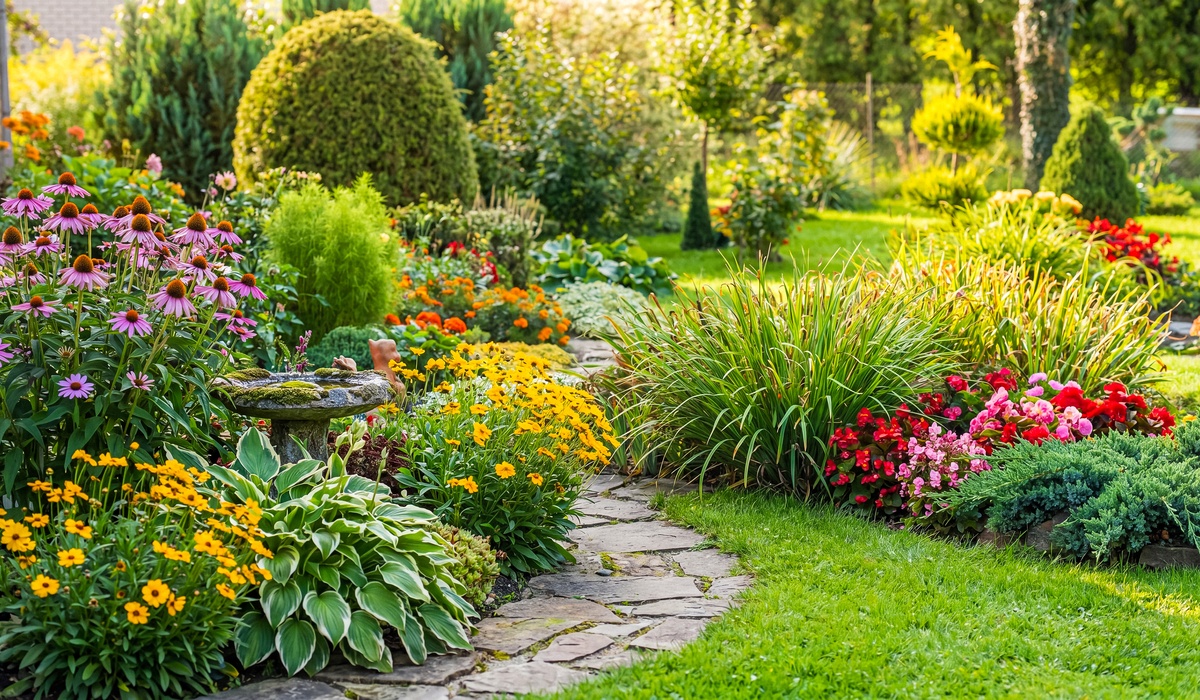
However, diversity requires coordination rather than simply adding more varieties. Plants should complement one another in terms of height, texture, color, and growth habits. Taller vegetation can provide a backdrop for smaller plants, while groundcover helps visually connect separate garden areas. Repeating selected plant forms throughout the landscape can establish continuity without making the design feel repetitive.
Trees deserve particular attention because they influence nearly every other component of a mature garden. Their canopies shape sunlight distribution, their roots interact with surrounding soil, and their branches establish much of the landscape’s vertical structure. A healthy tree can create comfortable outdoor gathering areas while contributing shade and visual interest. Poorly positioned or inadequately maintained trees, however, may eventually interfere with pathways, buildings, and nearby vegetation.
Young trees present an especially important opportunity for thoughtful landscape management. Their early growth patterns often influence their future structure, making appropriate pruning decisions valuable long before visible problems develop. Homeowners researching structural pruning methods for young yard trees can better understand how selective branch management encourages strong development while preserving the tree’s natural form. Such decisions should account for the species, growth stage, and existing branch arrangement rather than relying on indiscriminate cutting.
Effective pruning does not involve removing large portions of a tree simply to produce a tidy appearance. Instead, the process focuses on identifying competing leaders, problematic branch attachments, and growth patterns that could create structural concerns as the tree matures. Removing selected branches at appropriate stages can guide development while minimizing unnecessary wounds. Complex situations benefit from the judgment of a qualified arborist who understands tree biology and long-term structural health.
The relationship between trees and surrounding vegetation also requires careful consideration. As a tree’s canopy expands, areas that once received abundant sunlight may gradually become shaded. Plants that previously thrived beneath those branches can struggle when their growing conditions change. Rather than repeatedly replacing declining plants with similar varieties, homeowners can adapt the garden by selecting species better suited to the evolving environment.
Drainage deserves equal consideration, especially on properties with compacted soil or significant changes in elevation. Water that collects near foundations, walkways, or sensitive plants can create long-term problems. Thoughtful grading and suitable drainage solutions can direct excess moisture away from vulnerable areas. These measures contribute to a garden’s durability while protecting surrounding property features.
Visual balance also depends on the relationship between planted and unplanted spaces. A garden filled with vegetation from boundary to boundary can feel crowded, even when individual plants are attractive. Open lawns, pathways, seating areas, and carefully maintained borders give the eye opportunities to rest. They also make the landscape easier to navigate and maintain.
Garden designers frequently use proportion to create a sense of harmony. A large tree may anchor an expansive yard, while smaller ornamental plants can provide appropriate detail near entrances or patios. When every feature competes for attention, the landscape can lose its sense of organization. Establishing a few dominant elements allows supporting plants and materials to contribute without overwhelming the overall composition.
Seasonal planning adds depth to this process. Spring flowers may deliver an impressive display, but gardens should remain visually engaging during summer, autumn, and winter. Evergreen plants, interesting bark textures, ornamental grasses, and varied foliage can extend visual interest beyond a brief flowering period. Choosing plants with complementary seasonal characteristics can create a landscape that changes gracefully throughout the year.
Maintenance practices ultimately determine whether thoughtful design decisions achieve their intended results. Regular observation allows homeowners to identify emerging concerns before they become expensive problems. Monitoring plant health, adjusting irrigation, maintaining appropriate mulch levels, and addressing unwanted growth can preserve the original design. Maintenance should respond to actual plant conditions rather than follow an unnecessarily aggressive schedule.
This approach also encourages greater environmental responsibility. Healthy plants adapted to their surroundings generally require fewer corrective interventions than poorly matched selections. Appropriate pruning and efficient watering can reduce avoidable waste while supporting the long-term performance of the landscape. A balanced garden therefore represents an aesthetic achievement and a practical investment in responsible property care.
Perhaps the most important lesson involves accepting that gardens are living environments rather than permanent decorative installations. Trees will grow, sunlight patterns will shift, and some plants will eventually outgrow their original locations. Successful homeowners anticipate these changes and remain willing to adjust their plans. Flexibility allows the landscape to mature naturally without sacrificing its overall purpose.
Creating a balanced garden requires patience, observation, and a willingness to consider how individual choices affect the entire outdoor environment. Strong tree structure, appropriate plant selection, thoughtful water management, and sensible maintenance all contribute to lasting results. No single design feature can replace the benefits of understanding how a landscape functions over time. The most successful gardens achieve harmony by giving every element enough space and support to thrive.
About The Author