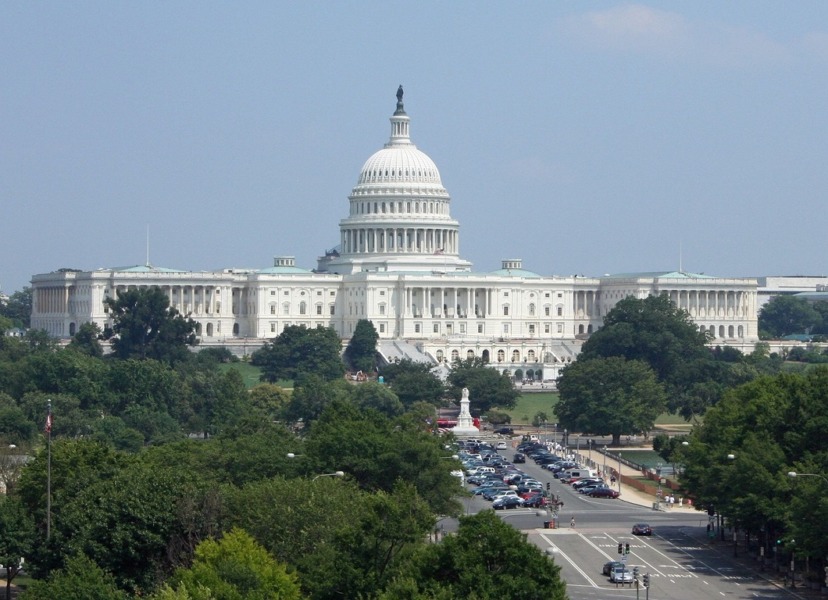
Canada Announces Major Investment in Coastal Infrastructure and Ocean Protection
- Ingrid Jones
- Trending News
- September 30, 2026
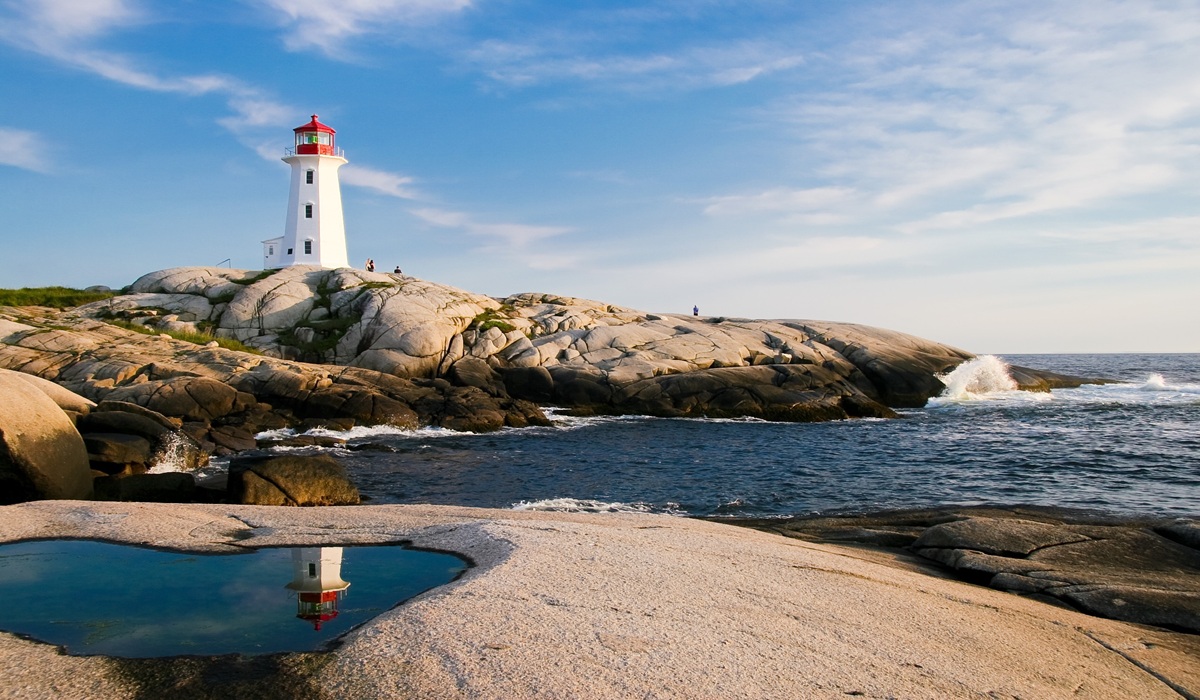
Image credit: lumix2004
Prime Minister Mark Carney announced a major federal investment targeting ocean protection and coastal community infrastructure during an event in North Vancouver. The initiative allocates substantial resources to modernize conservation enforcement, reduce commercial shipping noise, and expand collaborative governance agreements with Indigenous communities along the Pacific coast. Government representatives framed the measures as a critical step toward balancing national economic development goals with long-term environmental sustainability commitments.
A central component of the funding package focuses on upgrading tools and operational capacity for front-line conservation officers. Fisheries and Oceans Canada will equip enforcement personnel with modern equipment, including body-worn cameras, aerial monitoring drones, and updated protective gear, alongside specialized training programs designed to bolster habitat protection. Officials highlighted that modernizing enforcement technology is necessary to combat illicit fishing practices and safeguard vulnerable marine ecosystems against increasing industrial activity.
The federal strategy also introduces new programs aimed at reducing ocean noise generated by commercial marine vessels. The initiative funds research and practical adoption of low-noise propellers, hybrid propulsion systems, and hydrodynamic hull modifications designed to minimize underwater sound pollution. Scientists have repeatedly noted that vessel noise interferes with marine mammal communication and navigation, particularly among endangered southern resident killer whale populations along the British Columbia coast.
In addition to technological upgrades, the federal government committed funding to support the Northern Shelf Bioregion Reconciliation Framework Agreement. The collaborative model brings together federal agencies, provincial bodies, and First Nations leadership to manage marine protected area networks across the Great Bear Sea region. Community leaders praised the investment as a meaningful step toward joint stewardship, emphasizing that local traditional knowledge remains essential to effective ecological management.
The announcement comes as Ottawa prepares to host the international Our Ocean Conference next spring, where global leaders will gather to negotiate new marine conservation targets. Environment ministry officials indicated that Canada intends to demonstrate its domestic programs as a model for international cooperation. Domestic industry groups, including shipping lines and coastal tourism operators, expressed general support for the announcement, provided regulatory transitions remain manageable and transparent.
Parallel to environmental policy, federal officials continue addressing domestic economic pressures related to international trade relations. Recent trade disputes with the United States have prompted Canadian producers in several sectors to explore alternate export markets across Europe and Asia. Business associations have urged the government to accelerate internal trade agreements between provinces to help domestic industries offset foreign tariff pressures and supply chain disruptions.
Cabinet ministers maintained that sustainable economic planning requires integrated policy execution that combines environmental protection with supply chain resilience. Parliamentary committees are scheduled to review the spending details in the weeks ahead, with implementation of coastal conservation programs slated to begin before the start of the next fiscal quarter.
About The Author