The Sweet “Swicy”Heat Revolution
- Xuemei Pal
- Tiger's Eye Advisory Group - Trending News
- Food
- September 12, 2026
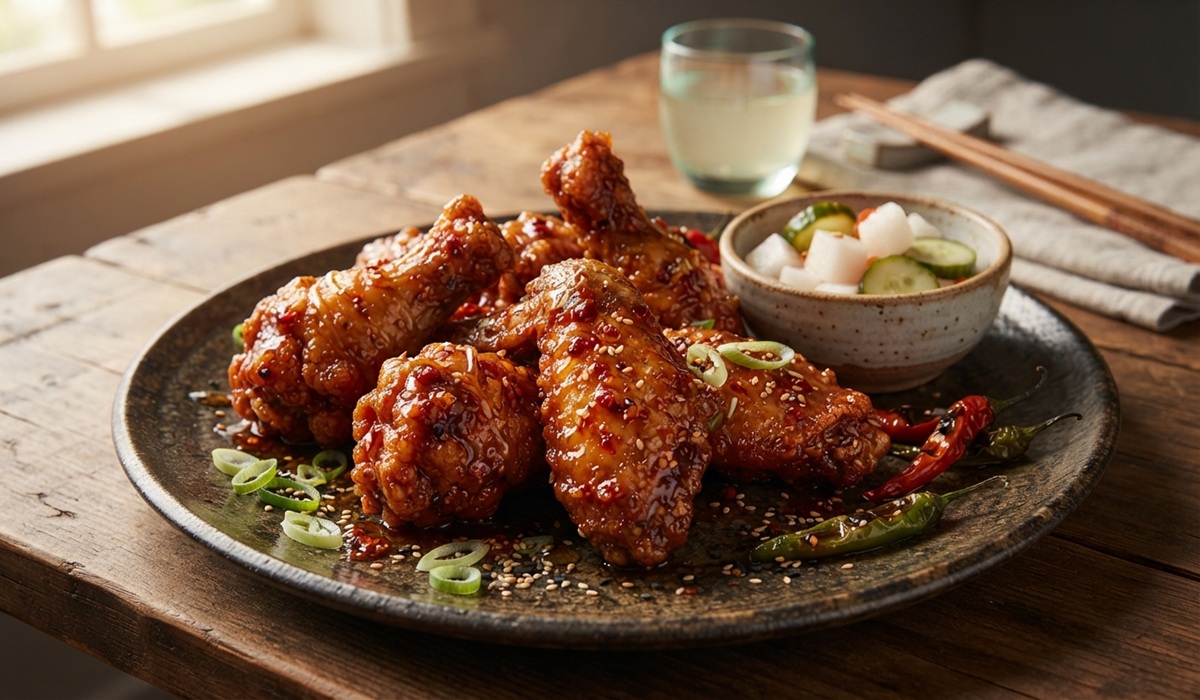
The culinary world has undergone a radical flavor transformation over the past year as commercial food developers, artisan bakers, and independent kitchens fully embrace the phenomenon known across the global market as swicy. Rather than relying on simple, one dimensional flavor profiles that emphasize pure heat or straightforward sweetness, modern product formulations deliberately combine sugary or fruity foundations with sharp, aggressive capsaicin elements. This kinetic flavor combination is built on a precise sensory architecture where a sweet or floral note hits the palate first, followed immediately by a sustained, warming burn that extends the overall tasting experience.
Market analysts report that product launches featuring these complex sweet and heat combinations have exploded across retail grocery shelves, recording double digit growth trajectories in both North American and European sectors. The trend has moved far beyond traditional condiments and hot sauces into unexpected categories including premium chocolates, artisan baked goods, mainstream confectionery, and savory snack chips. Confectionery giants and regional snack producers are partnering to release items such as tropical fruit gummy bears dusted with cayenne pepper seasonings, mango habanero caramel truffles, and artisanal potato chips coated in gochujang glaze.
Food scientists attribute the massive consumer adoption of these items to a neurological response where capsaicin binds to sensory receptors in the mouth, releasing mild amounts of dopamine and endorphins that create a pleasurable, slightly euphoric eating experience without overwhelming the senses. Furthermore, demographic shifts driven by younger consumers have fueled an intense demand for bold, multi-sensory foods that break away from traditional culinary boundaries. Grocery retailers have responded by shifting these items away from ethnic food aisles and establishing dedicated trend zones near checkouts to maximize impulse purchases.
Hot honey drizzled over pepperoni pizzas, spicy maple syrups used in breakfast sandwiches, and chili infused fruit reductions have become permanent staples on menus ranging from fast casual chains to high end dining establishments. As supply chains mature and agricultural producers optimize extraction methods for custom chili cultivars, the swicy movement is cementing its status as a permanent fixture of modern gastronomy rather than a fleeting digital media fad. Consumers are showing an increased willingness to pay premium prices for these complex flavor profiles, encouraging food brands to continually experiment with bolder, more exotic ingredient pairings from global culinary traditions.
As food scientists continue to map out new frontiers in flavor development, the culinary applications of sweet and spicy pairings are expanding into complex beverage formulations and high protein athletic nutrition. Major beverage corporations are rolling out sparkling waters infused with ginger and blood orange, alongside cold brew coffees accented with chili extracts and cinnamon. These drinks cater to health conscious consumers who want elevated sensory experiences without consuming excessive refined sugars. In the bakery sector, pastry chefs are incorporating chili flakes into dark chocolate tortes and blending cayenne into salted caramel fillings, creating a lingering warmth that cuts through heavy fats and butters.
This methodology relies on the scientific principle of flavor contrast, where capsaicin acts as a palate cleanser, resetting taste buds between bites and making rich foods taste lighter and more vibrant. Restaurant menus across major metropolitan areas now feature dedicated sections for sweet heat dishes, ranging from Korean fried chicken glazed with honey and gochujang to Mexican street corn elevated with spicy agave drizzles. Culinary historians note that while combining sweet and spicy elements is rooted in ancient traditions across Southeast Asia, West Africa, and Latin America, the current commercial boom represents a unique industrial harmonization.
Food manufacturers are utilizing precise laboratory testing to standardize Scoville heat units in mass produced goods, ensuring that every packaged snack delivers the exact same sensory punch from coast to coast. This industrial standardization gives consumers a reliable, repeatable eating experience that encourages repeat purchases and brand loyalty. Meanwhile, independent chefs use the trend to showcase their creative range, crafting house made hot honeys infused with lavender or habanero reductions sweetened with local maple syrup. This synergy between industrial scale innovation and craft culinary artistry ensures that the swicy movement will remain a dominant force in grocery aisles and restaurant kitchens for years to come, fundamentally changing how everyday people experience flavor.
About The Author