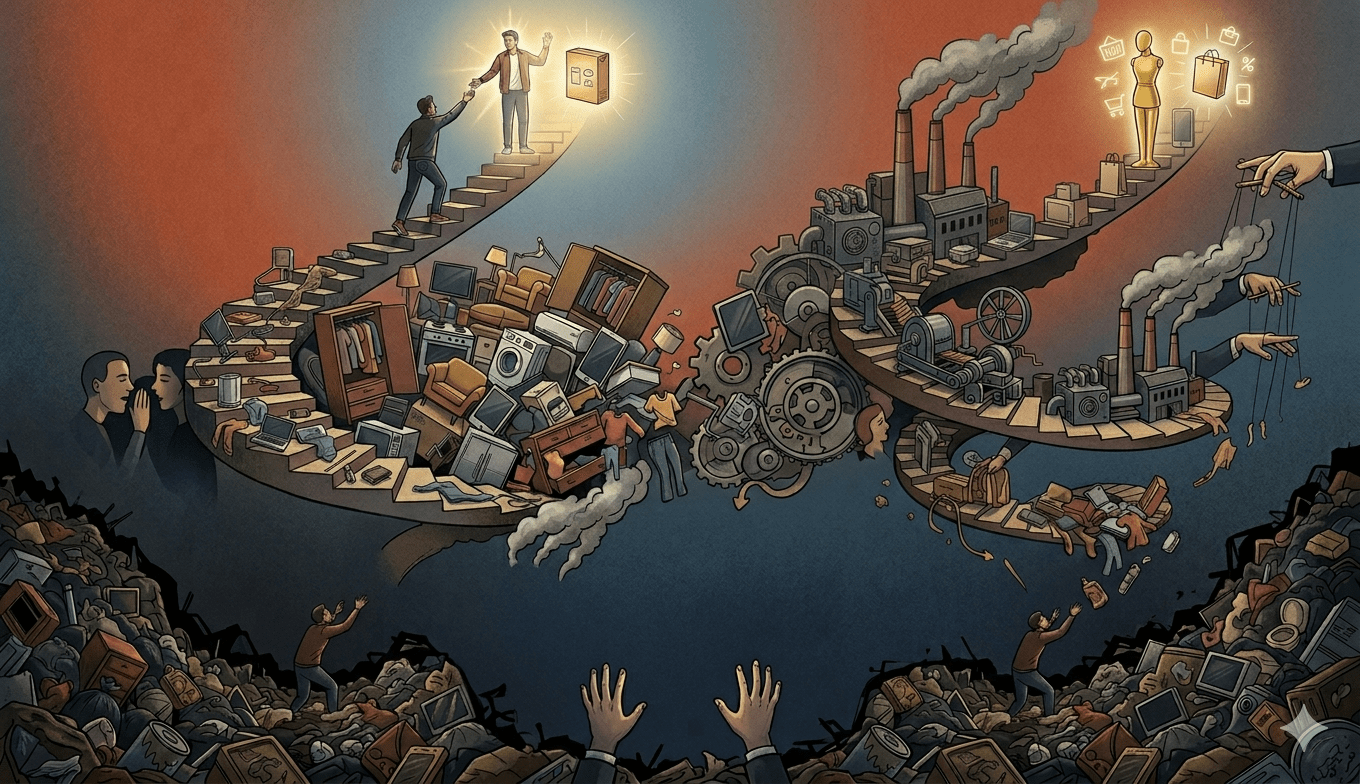
When Canada’s trade talks with the US broke down on August 22nd, I did what any reasonable person with an internet connection does: I threw gasoline on the fire. Across all my feeds, I reposted a column I wrote last year, titled Is the World Entitled to the US Market? My premise was simple, pragmatic, and apparently unforgivable: no country has a God-given right to free access to the American consumer. 51st-state rhetoric aside, Trump’s protectionist play isn’t some crazy, irrational scheme to starve Canada. He’s just doing what he’s always done—operating on the core belief that making foreign products more expensive than “Made in the USA” levels the playing field for domestic businesses.
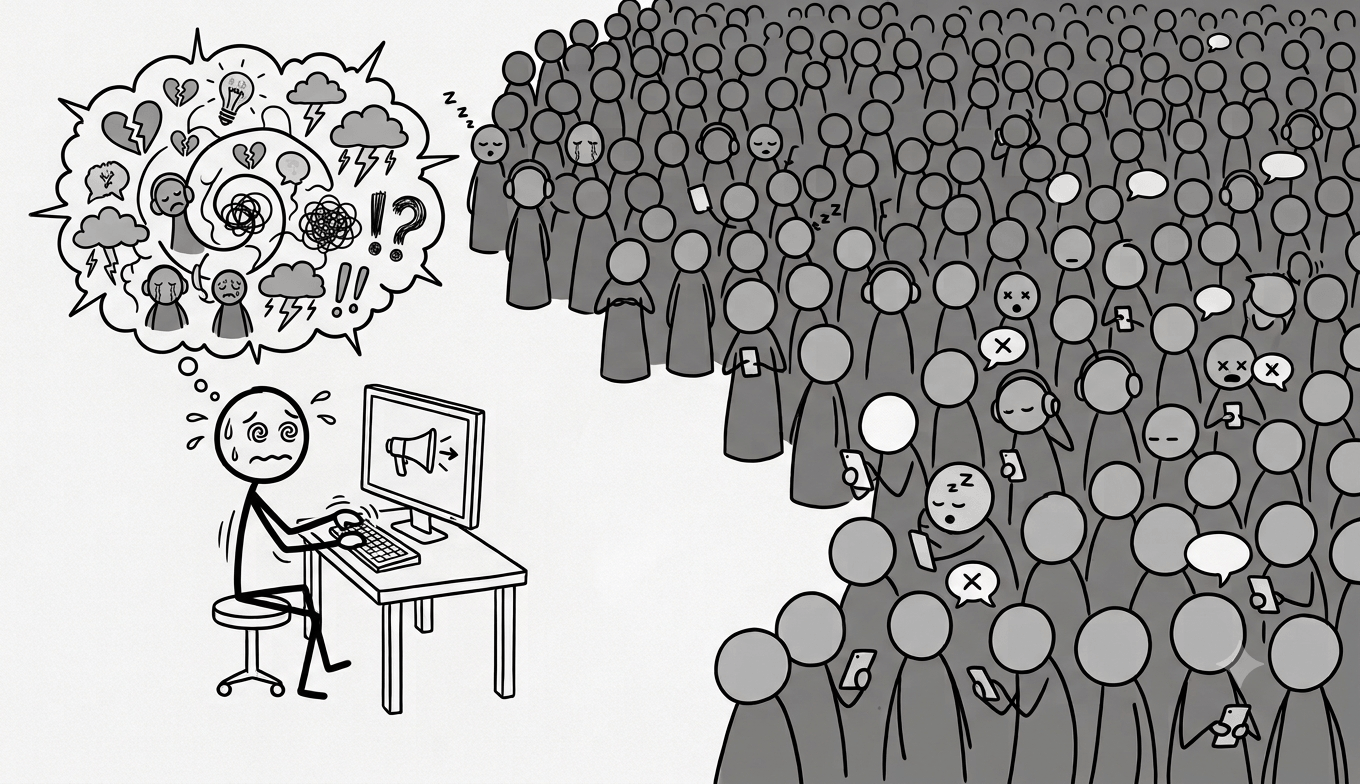
Within twenty minutes, the digital mob arrived right on schedule. The comments poured in, from Canadians, naturally, calling me a traitor, a fascist sympathizer, and an unpatriotic idiot. There I was, sipping lukewarm coffee, staring at the screen as the urge to fire off a few scathing replies churned in my stomach. But I paused. I wasn’t surprised. When you do what I do, you learn quickly that an angry mob is simply the cover charge for making your opinion public.
Some of you might know that Google tags me as an “Internet Personality,” which sounds a lot more impressive than it is. Trust me, it doesn’t come with a bulletproof vest. It does, however, paint a giant target on my chest. So, when family, friends, fellow writers, and readers ask me, “Nick, how do you deal with all the haters?” I often surprise them with my answer: “I don’t.”
A while back, I made peace with a simple truth: not everyone will agree with my views, nor am I everyone’s cup of tea.
Posting on the Internet and social media puts you in the public eye and invites criticism. If you share opinions, perspectives, ideas, beliefs, and values that challenge the norm, as I often do, expect to upset those who rely on mainstream views to navigate their day. Let’s face it: online outrage isn’t genuine critique. It’s often anonymous, nonsensical public theatrics.
When a stranger angrily attacks your post, it’s rarely about you. The most vocal critics are often those who feel your viewpoint challenges their beliefs and worldviews. When you post your truth, you’re asking every reader to confront their comfortable echo chambers. But because avoiding self-reflection is instinctual, outrage-addicted readers skip the self-examination and target you instead.
Even more concerning is that social media algorithms are explicitly designed to reward hostile behaviour. Research confirms what we already know: the nastier a comment is, the more the algorithm favours it. Haters and trolls aren’t logging on for constructive conversations about inflation, immigration, or whether The Sopranos’ ending was brilliant or a letdown. They’re looking to provoke and garner attention. They don’t care about your point of view; you’re simply a target for their vulgar showmanship. They’re like drunkards at a sports bar shouting at the TV, trying to get laughs from their friends.
Now, knowing this doesn’t mean the insults never sting, but it does make me realize I shouldn’t waste mental energy “dealing with” haters. Instead, I’ve adopted four principles:
- Refrain from trying to convert them. Trying to reason with haters and trolls using logic is like trying to teach a pig to sing; it wastes your time and annoys the pig. I refuse to waste mental energy on a frantic back-and-forth with what’s essentially a digital ghost.
- Reframe how you think about hateful comments. In a world where most people scroll past without caring, hatred still counts as engagement. When someone leaves a comment, positive or negative, on my post, they give me their most valuable, non-refundable currency: their time and undivided attention. They read my words, got triggered, and boosted my reach in the algorithm.
- Maintain boundaries. I seldom “Delete” hateful comments or “Block” commenters. Why? As I pointed out, negative comments feed the algorithm and boost my reach; thus, not deleting the comment keeps feeding it. The expectation is that if a comment is outright malicious, I delete it and block the user without fanfare.
- Ignore the noise. The ultimate power move is tuning out the noise. My notifications are turned off. Only occasionally do I scroll through the comments on my posts and engage with those who share my perspective. Once I’ve posted [whatever], my job is done.
Posting your thoughts online is entirely voluntary, and frankly, it isn’t for everyone. If you can’t take the hits, don’t step into the digital ring. The moment you post [whatever], even if you believe it’s popular, unoffensive, middle of the road, or agnostic, you’re entering into a simple contract: you’ll attract critics, trolls, and people who venomously disagree with you. You can’t control their outrage, nor are you responsible for it, nor can you control the algorithms that reward their bad behaviour. The only thing you control is your own reaction. Don’t waste energy complaining about the noise you invited; pay the cover charge, ignore the crowd, and keep posting.
About The Author