I Was Only 6 When I Heard My First Anti Black Slur Growing Up Black in Quebec
- Emma Ansah
- Canada
- August 31, 2026
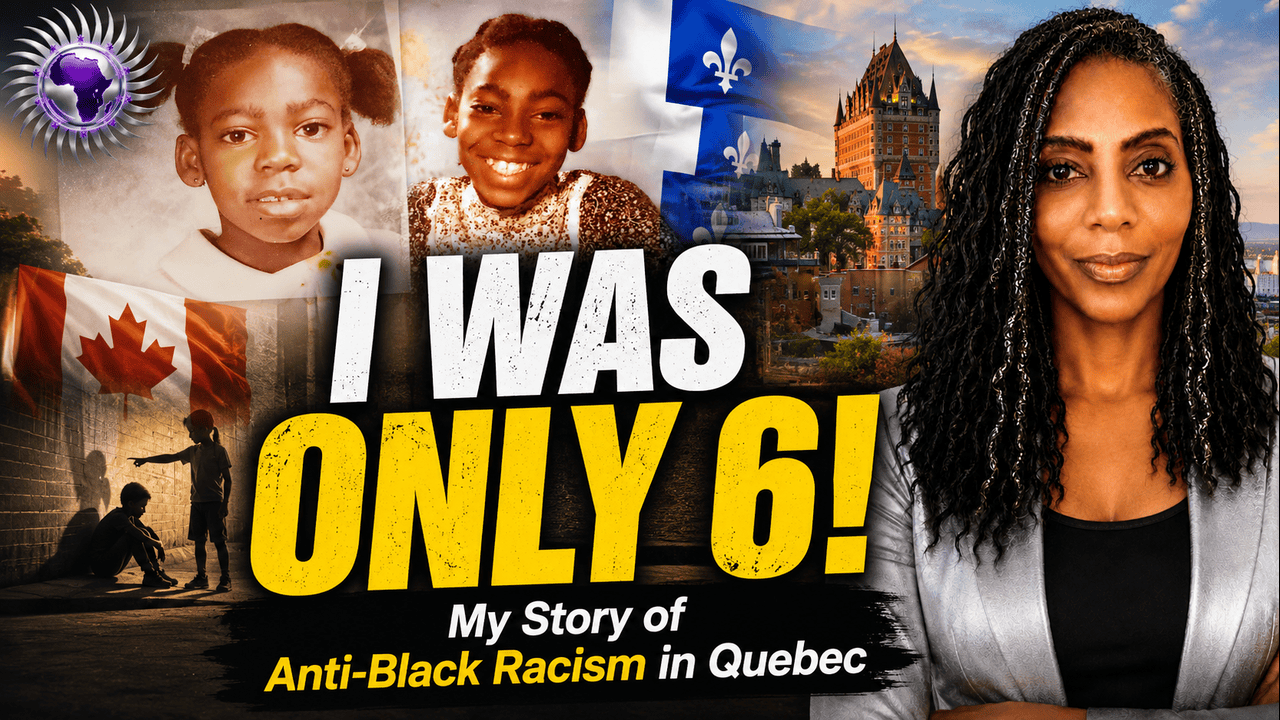
I was six years old when I heard my first anti Black racial slur. I did not yet have the language to explain racism or discrimination, but I understood that the word was meant to hurt me and that I was being treated differently because I was Black. I was only six, but I remember.
My family was the first and only Black family to move into our neighbourhood in St. Hubert, Quebec. We stood out immediately, and some people made it painfully clear that they did not want us there. The racism was not always subtle or hidden because we experienced racial slurs, intimidation and racist verbal and physical attacks from neighbourhood children.
Some of the racism also came from adults who should have known better. I experienced physical and racial abuse from a teacher, someone who was supposed to educate and protect children. Imagine being a six year old Black child and realizing that an adult in authority could also be someone you needed protection from.
My siblings and I learned early that we had to stand up for ourselves. We were children who should have been thinking about school, friends and playing outside, but instead we were learning how to respond to people who targeted us because of our race.
My parents refused to be intimidated or driven out. They made it clear that somebody else’s racism was not going to determine where their family was allowed to live. We belonged in that community just as much as anyone else, and we were not going anywhere.
Then another Black family moved into the neighbourhood, the Browns. Suddenly, the Ansahs were no longer the only Black family there, and the Browns and the Ansahs became a force to be reckoned with. There was strength in knowing we were no longer standing alone, and eventually people understood that neither family was going anywhere.
In time, respect was earned, but trust was another story. After everything we had experienced, trust was not something that could simply appear because the open hostility had begun to disappear.
People sometimes underestimate what children remember about racism. I remember the slurs, the attacks and the feeling of knowing that some people had already decided what they thought about my family before ever getting to know us. I also remember watching my parents refuse to surrender to intimidation, and that example has stayed with me throughout my life.
I share my story because racism in Canada is too often discussed as though it is primarily an American problem. Canada’s reputation for tolerance does not erase the experiences of Black Canadians who have faced racism in schools, workplaces, neighbourhoods and institutions across this country.
What makes this particularly troubling is that we are now in 2026, and Black children, students and adults are still experiencing anti Black racism. Decades have passed since I was that six year old girl in Quebec, yet Black people are still confronting racial slurs, stereotypes, discrimination, unequal treatment and systemic barriers.
That tells us there is still so much work to be done to dismantle systemic racism. Diversity statements and promises of equality mean little if another generation of Black children grows up with stories that sound remarkably similar to those their parents and grandparents have been telling for decades.
My childhood in Quebec is only one story within a much larger Black Canadian experience. They could not intimidate my parents into leaving, they could not convince us that we did not belong, and they could not silence what happened.
More than five decades later, I can still remember that six year old little girl discovering racism before she was old enough to fully understand it. Today, I have the voice and the platform that she did not have, and I intend to use both because Black children growing up in 2026 should not have to inherit the same fight.
I was only six, but I remember. The question now is how many more generations will have to tell these stories before we finally create meaningful change.
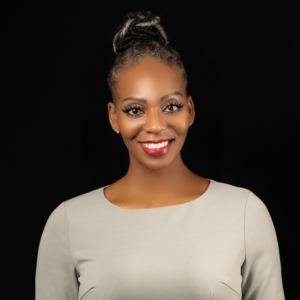
Emma Ansah
Watch my story: https://www.youtube.com/live/S5Q8jmi3q7Q?si=W2_p2wqeyBRBVpEw
About The Author