North American Trade War Escalates As Ottawa Targets Politically Sensitive American Strongholds With Heavy Retaliatory Tariffs
- Xuemei Pal
- U.S.A
- August 26, 2026
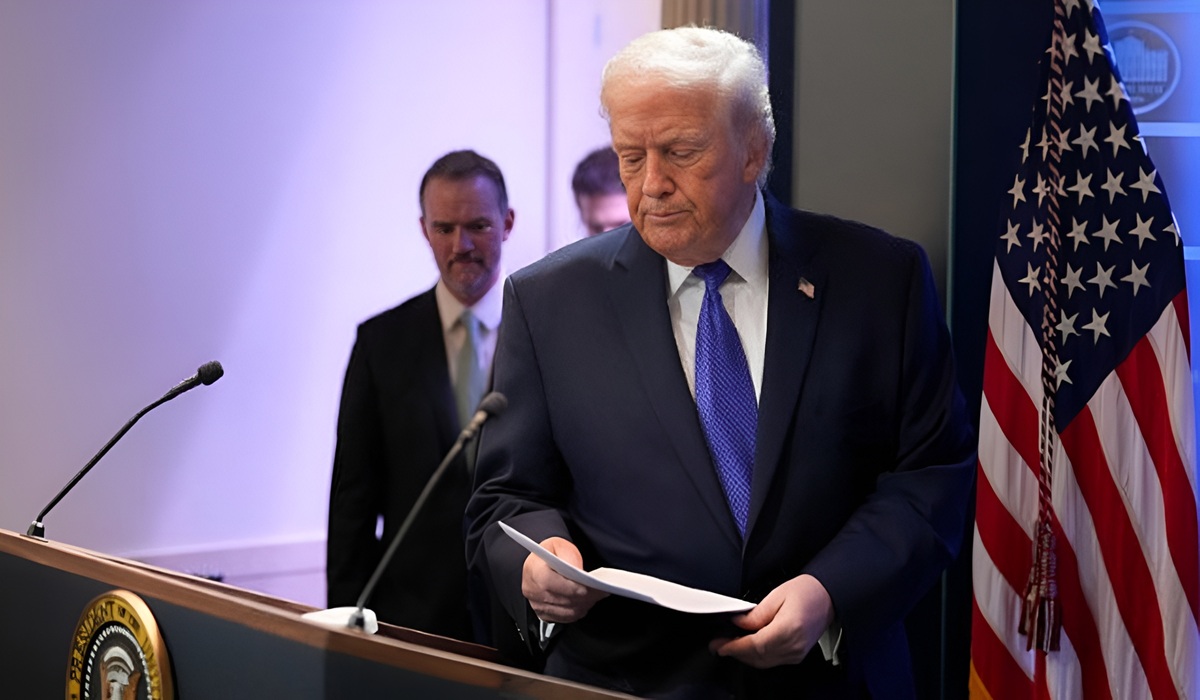
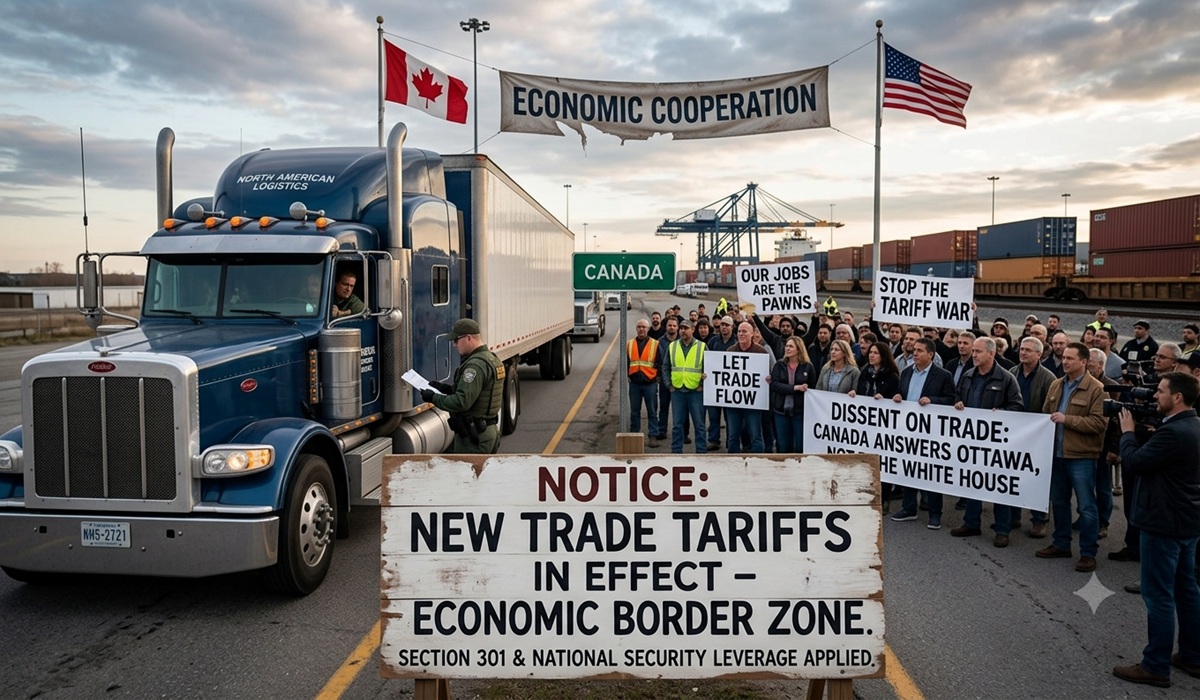
Trade relations between the United States and Canada have deteriorated significantly over the past several months, plunging the two longtime economic allies into a relentless cycle of retaliatory measures and escalating protectionist threats. Following the implementation of sweeping and aggressive customs duties by the American administration on Canadian goods, including hefty levies on steel, aluminum, automobiles, and energy products, the Canadian federal government has chosen to strike back with calculated precision. Rather than applying broad and indiscriminate responses, Ottawa has meticulously structured its countertariffs to maximize political pressure on key American jurisdictions, zeroing in on Republican red states that form the core electoral foundation of the current White House administration. This tit for tat economic warfare has transformed cross-border commerce into a high-stakes political chess match where regional industries in the American heartland are forced to bear the brunt of federal trade disputes.
The architecture of Canada’s retaliatory response is designed to resonate deeply within specific congressional districts and state economies that wield considerable political influence in Washington. By imposing punishing tariffs on iconic American exports such as bourbon, consumer electronics, agricultural machinery, and manufactured goods, Canadian trade officials have deliberately targeted states like Kentucky, Texas, Michigan, and Ohio. For instance, the imposition of steep duties on alcoholic beverages and specific metal products strikes directly at the heart of southern and midwestern manufacturing and agricultural hubs. Political analysts note that this targeted strategy is intended to fracture domestic political support for the White House trade agenda. When local chambers of commerce, major employers, and powerful lobbying groups in solidly red states begin to feel the financial squeeze of lost export revenue, local lawmakers face intense pressure to urge the federal executive branch to de-escalate the trade conflict and return to traditional continental cooperation.
The impact on these targeted American states is already manifesting in canceled supply contracts, diminished profit margins, and growing anxiety among business leaders who rely heavily on seamless cross-border logistics. In states heavily dependent on the automotive and heavy machinery sectors, the compounding effect of tariffs and countertariffs has created severe operational headaches. Supply chains that have spent decades integrating components back and forth across the border are being forced into expensive restructuring processes. Companies are grappling with the painful reality of either absorbing the massive tax burdens or passing the increased costs onto consumers, risking a sharp decline in sales volume. Local economic development boards in several southern and midwestern states have expressed profound alarm, warning that long-term investment plans are being frozen as businesses wait for regulatory certainty that refuses to materialize.
As the trade dispute continues to grind forward, business communities and trade associations on both sides of the border are desperately seeking a diplomatic off ramp to prevent permanent structural damage to the North American economy. While political strategists in Ottawa believe that targeting red states is the most effective lever to force a change in Washington policy, economists caution that prolonged protectionism ultimately reduces overall productivity and increases consumer prices for everyday goods. The ongoing escalation demonstrates the fragility of modern free trade agreements when subjected to political volatility. Unless federal negotiators manage to find common ground and roll back the escalating wall of tariffs, the economic pain inflicted upon America’s industrial heartland and Canada’s export dependent provinces will continue to mount, leaving communities to navigate an increasingly unpredictable and hostile commercial landscape.
About The Author