The Latin proverb Non uno ictu quercus cadit—not by one blow does the oak fall—reminds us that a meaningful life isn’t built in a single desperate leap. It’s precisely this illusion that digital culture promotes that makes you forget the necessity of cumulative effort.
Picture yourself at your kitchen table, laptop open, painstakingly editing your resume. Wanting a break, you open a browser tab and head straight to LinkedIn. Within seconds, you’re staring at a post from someone you once mentored, ten years younger than you, announcing their promotion to Senior Vice-President. Meanwhile, you’re still an assistant manager, putting out middle-management fires and wondering where your career momentum went. That sudden drop in your stomach isn’t just envy; it’s you second-guessing your timeline—your rate of progression—and asking: Why him and not me?
Theodore Roosevelt famously noted, “Comparison is the thief of joy.” Social media has weaponized and monetized that thief of joy on an industrial scale. It hasn’t just made you more critical of others; it’s turned you into your own harshest judge, constantly benchmarking your timeline against what people share on social media.
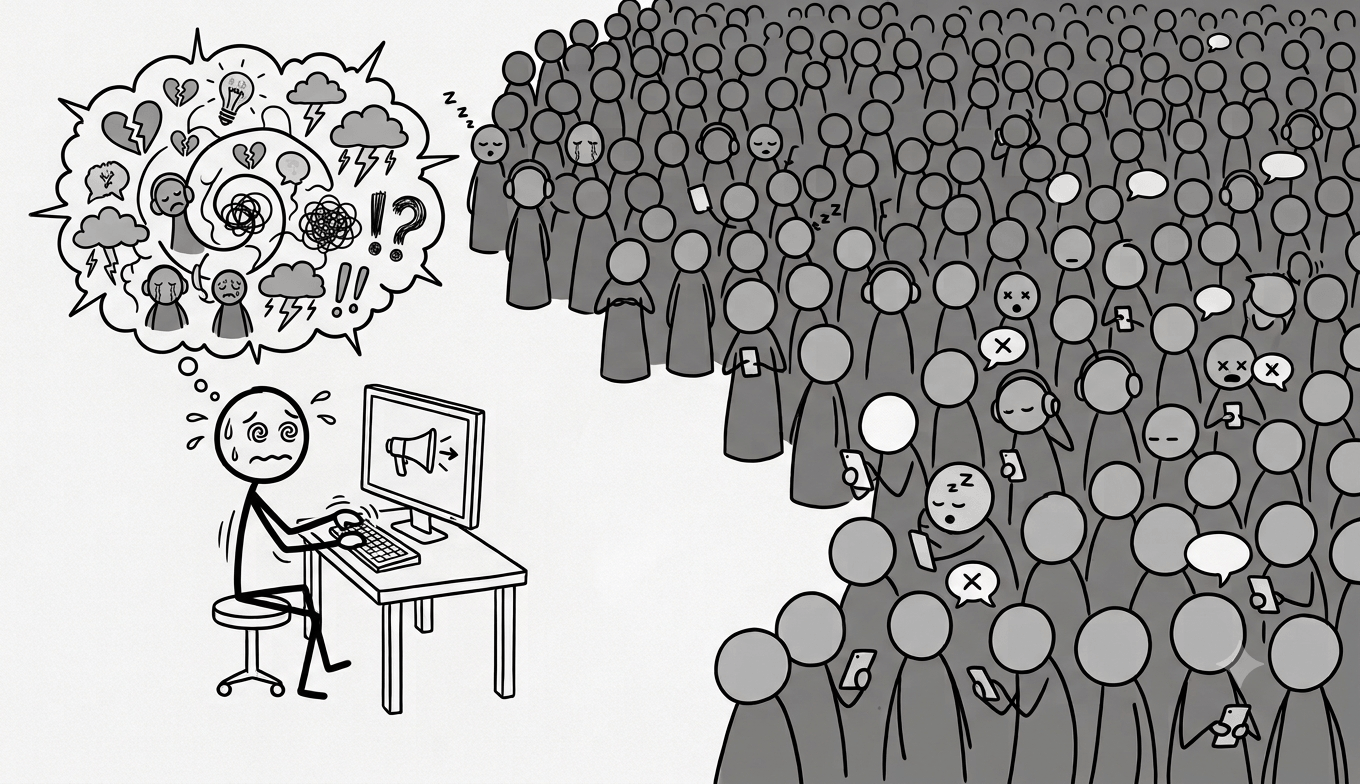
Algorithmic culture isn’t doing you any favours. It traps you in an endless digital landscape of relentless content against which you constantly weigh your worth. Social media’s addictive design pulls you into a vortex of self-doubt, spinning you on a hamster wheel of screen-staged posturing as you measure your unedited reality against curated highlight reels. The psychological toll isn’t imaginary. A May 2026 status and comparison study by ReachLink highlights that comparing yourself to others’ achievements can threaten your sense of competence by constantly exposing you to manufactured posturing, eroding self-esteem and escalating anxiety about your life progression.
You’ve now seen it countless times: people sitting side by side in coffee shops, restaurants, waiting rooms, and at family gatherings, their heads bowed, detached from reality. The unspoken signal is unmistakable: “Leave me alone; I’d rather watch how others claim they’re winning.” This constant distraction, which, to be clear, is entirely voluntary, fuels an insidious loop of comparison, forcing you to measure your messy reality against manufactured content designed solely to harvest likes and followers.
Early in your career, it’s easy to believe success lies in discovering the ultimate growth hack—some secret shortcut that Internet talking heads claim to possess and, not surprisingly, will sell you. The truth is, it’s usually only well into adulthood that we realize those who achieved the success we now wish we had did so on their own terms, without wasting mental energy comparing themselves to others.
The only genuine success hack I know, rarely mentioned because it goes against our desire for instant gratification, is to stay in the game long enough for your efforts to compound.
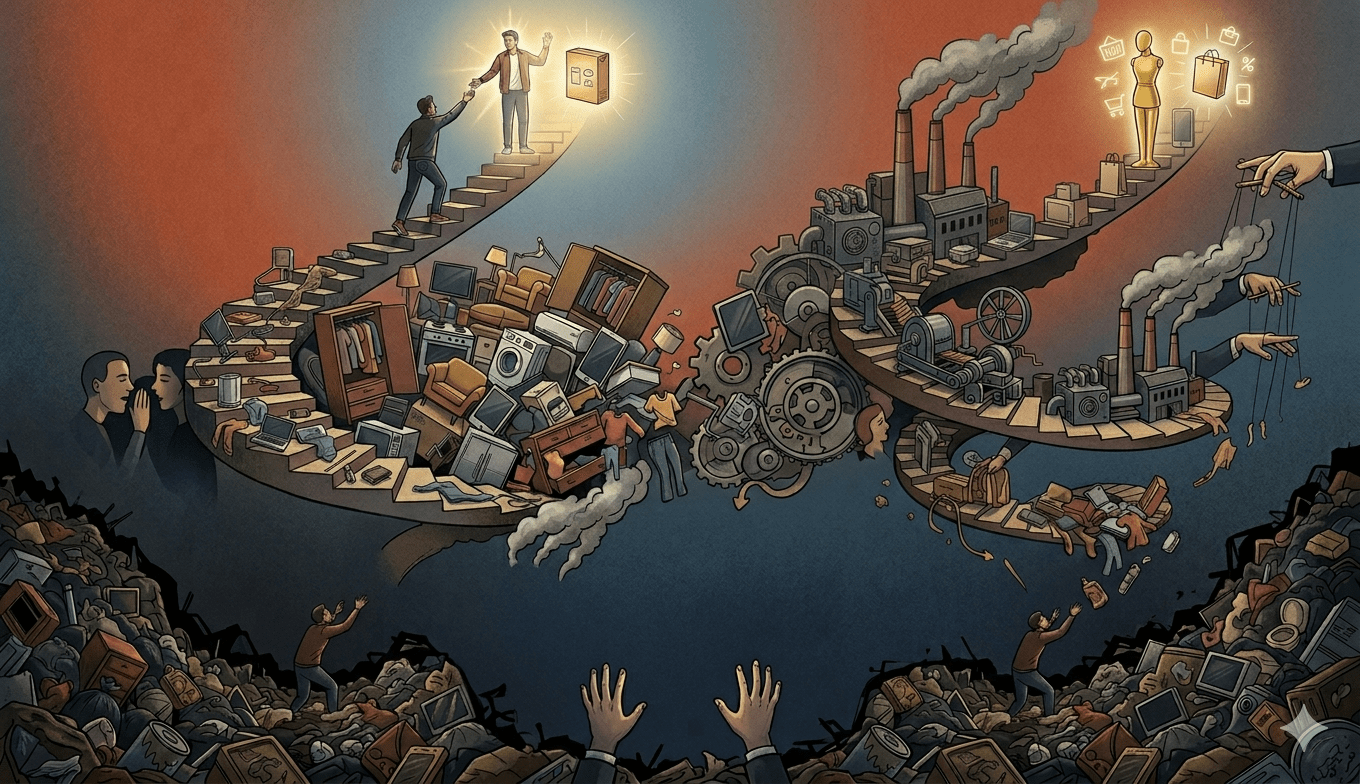
Creating a meaningful life, one that gives you what you need as opposed to what marketing propaganda wants you to believe you need, keeping you constantly running on the consumer hamster wheel, requires absolute trust in your own pace and a refusal to measure your progress against manufactured digital feeds. Success is rarely a straight line; it’s an unpredictable sequence of hard-won triumphs and sudden setbacks, from job losses and financial stress to health challenges and personal grief. In such an erratic landscape, trying to match someone else’s broadcast timeline is a guaranteed recipe for disillusionment. Playing the long game demands laser focus on your own path, regardless of how fast the rest of the world claims to be moving, and an understanding that the ROI of “envy” is zero.
You probably know someone in real life—not online—who seems to succeed effortlessly, whether growing a business, advancing professionally, building relationships, or living a fast-paced, successful life that makes their progress seem meteoric, while you feel yours is a slow burn.
Amid these endless comparisons, a quiet revelation usually takes hold, though not always, as some adopt a defeatist mindset. It often takes years of wrestling with self-doubt and setbacks, and of confiding in a partner about perceived shortcomings, to realize that your journey belongs to you alone. The frustration you harboured stemmed from a toxic habit of comparison, amplified by social media’s endless echo chamber. Slowly, you uncover a deeper truth: the answers were never hidden in someone else’s success story; they lay dormant in your own work ethic, discipline, and the standards you have set for yourself all along.
Comparison isn’t just a distraction; it actively erodes your resolve. When you’re constantly measuring your progress against everyone else, nothing stings quite like watching a peer get what you’re striving for. Feeding that envy is fatal to your momentum; fixating on someone else’s curated highlights only drains the energy you desperately need to build your own.
Social media hasn’t changed what real success requires; it has only increased the noise. Reaching your goals still demands locking in mentally, executing daily, and staying relentlessly consistent, keeping the wheel turning. Hard as it may be, trust your rate of progress and tune out the curated “Look at me!” posts. Put your phone down and stop comparing your messy reality to a stranger’s self-polished facade. Take consistent action, trust your timeline, and own your path. A deliberate journey toward your goals, whatever they may be, is worth every single step.
About The Author