A Looming Catastrophe: 94 Per Cent of Gaza Households Desperately Need Shelter Aid
- Hami Aziz
- Middle East
- Tiger's Eye Advisory Group - Trending News
- August 20, 2026
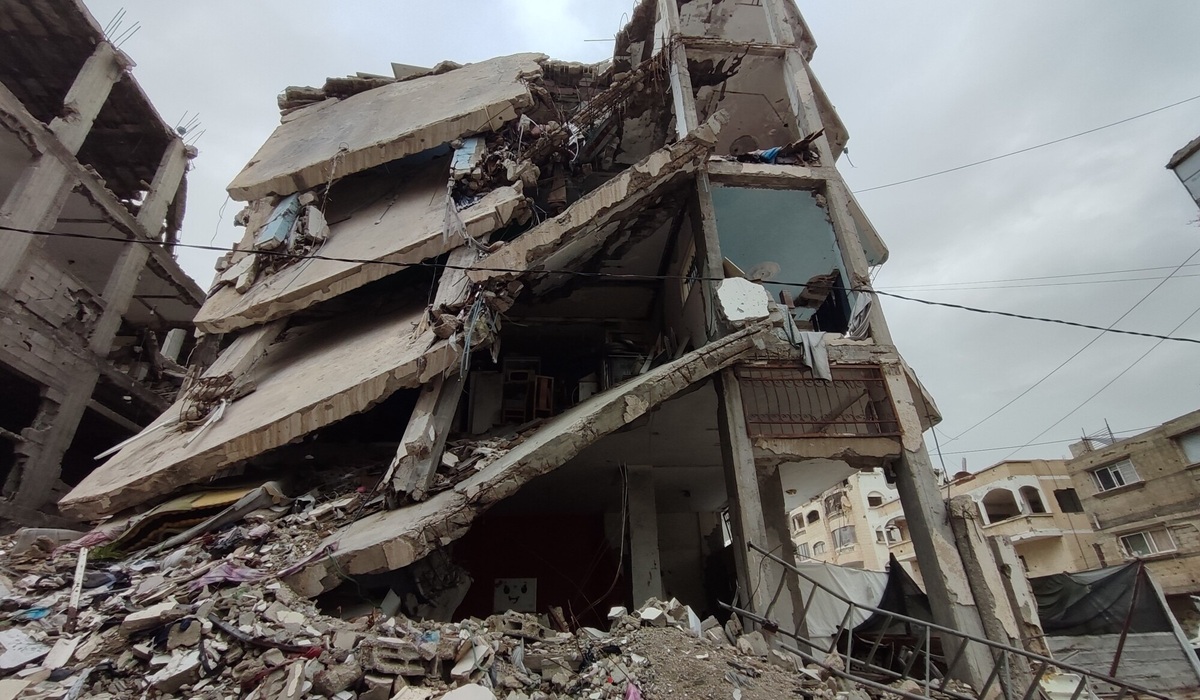
A severe and deepening shelter crisis grips the Gaza Strip, where an estimated 1.98 million Palestinians—accounting for 94 per cent of the population—are in urgent need of shelter and basic household assistance. According to a comprehensive new report titled Exposed on All Sides by the Shelter Cluster, led by the Norwegian Refugee Council, the crisis extends far beyond mere physical damage to homes, plunging the vast majority of families into untenable living conditions.
The findings reveal that more than four in five households are enduring critical or catastrophic living conditions. This classification reflects a profound lack of resources necessary for safe and dignified daily life, including acute shortages of fuel, energy, and essential household items. Families struggle constantly with basic activities such as sleeping, cooking, washing, safely storing food and water, securing adequate lighting, and coping with extreme temperatures. Jehan Salim, the National Shelter Cluster Coordinator, emphasized that a shelter requires more than just four walls and a roof; it must allow families to care for their children and maintain their well-being. With most families having spent over a year in spaces never intended for long-term accommodation, the lack of vital repair materials entering Gaza has left populations severely vulnerable.
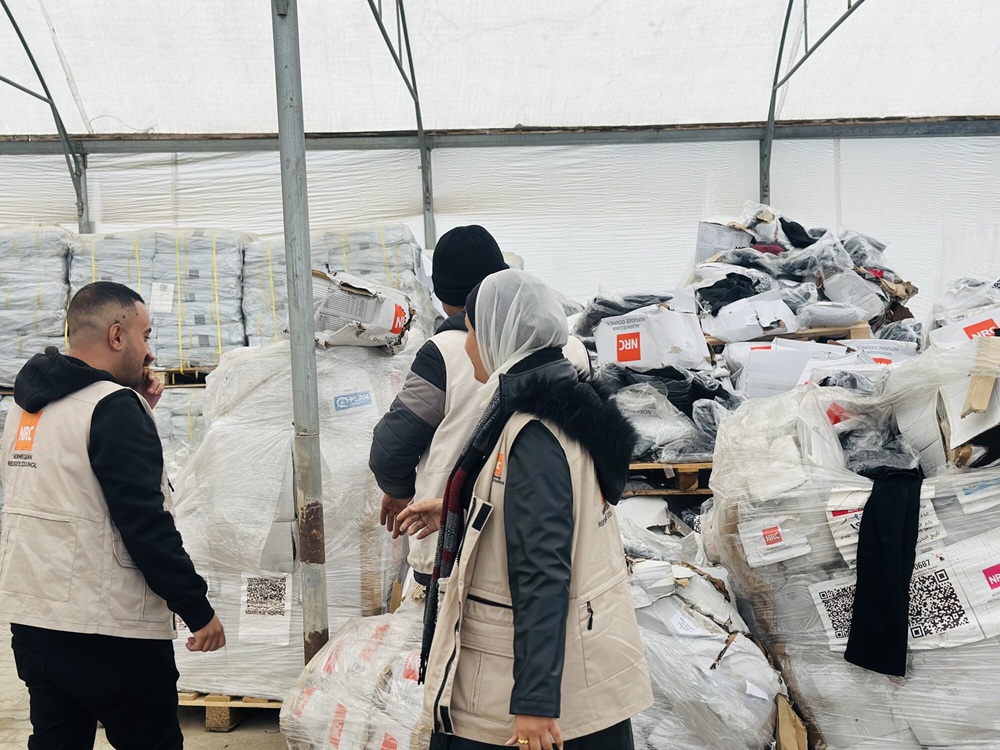
Assistance remains critically low, with only one in ten households receiving any form of shelter or household aid in the month preceding data collection in June 2026. By that time, local stocks of tents, blankets, and mattresses were nearly exhausted, stifled by persistent restrictions on imports and severe funding shortfalls. Nearly two-thirds of households currently live in tents or makeshift structures, with over half of those tents in service for more than a year and severely degraded. Major structural deterioration to flooring, walls, and frames has exposed more than 100,000 households to hazards that threaten their health, safety, and dignity.
The perils facing displaced Palestinians extend directly outside their temporary doors. Ninety-eight per cent of households face environmental hazards within ten meters of their living spaces, ranging from unmanaged solid waste and rubble to sewage, stray dogs, and rodents, which were reported inside 89 per cent of shelters. Furthermore, 71 per cent of households experienced flooding since the onset of the winter season, signaling an alarming vulnerability to upcoming weather extremes. The assessment also highlighted that large families with seven or more members, as well as households including individuals with disabilities, face double the odds of severe shelter need.
In response to these compounding emergencies, the Shelter Cluster urgently calls on donor states to pressure authorities to lift restrictions on essential imports, including new tents, construction materials, fuel, solar equipment, and debris-clearance machinery, while providing financial support commensurate with the crisis.
About The Author