Modern workplaces generate an incredible amount of inventory data every day. Tools, parts, supplies, equipment, and high-value assets move through facilities at a rapid pace, and manual tracking can leave room for costly errors. Knowing how to use that data to enhance visibility and decision-making is critical to any business. Let’s discuss the top benefits of using RFID technology in the workplace so you can begin effectively implementing it for your business.
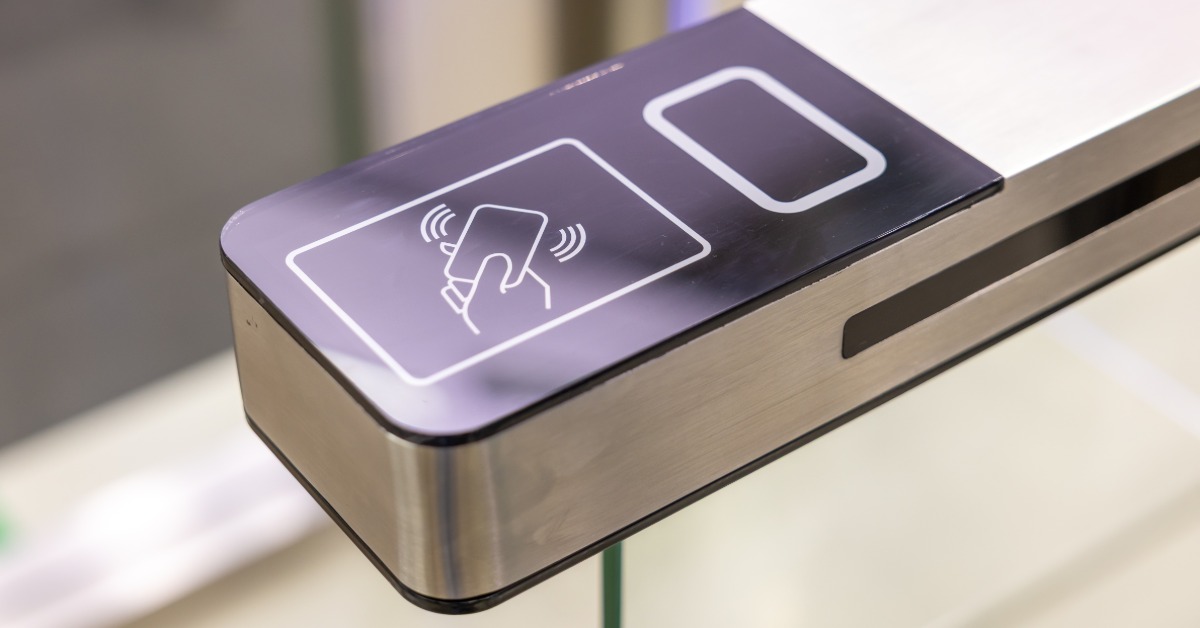
RFID, or Radio Frequency Identification, uses radio waves to identify tagged objects without physical contact or direct line of sight. That capability creates opportunities far beyond traditional barcode systems, especially inside busy warehouses, manufacturing facilities, aerospace operations, healthcare environments, and distribution centers. Instead of relying on manual scans at every step, RFID captures data automatically as tagged items move through a facility.
That continuous flow of information gives managers a clearer picture of inventory without adding extra work for employees. One of the greatest advantages of RFID comes from inventory transparency. Every organization wants accurate inventory records, but maintaining them becomes more difficult as operations grow larger and more complex.
RFID allows tagged assets to communicate with readers throughout a facility. As equipment or inventory changes location, records update automatically. Employees spend less time searching for missing items because inventory locations remain current throughout the workday.
Picture a maintenance technician searching for a specialized calibration tool before a scheduled repair. Rather than checking several cabinets or calling coworkers, the technician can locate that tool almost immediately through the RFID system. Minutes saved on one task may seem minor, but those savings add up across hundreds of work orders every month. Managers also gain confidence when inventory reports reflect actual stock, not estimates collected during periodic manual counts.
Traditional inventory audits consume valuable labor hours. Employees may dedicate entire shifts to verifying stock and correcting spreadsheets after physical counts reveal discrepancies. RFID transforms that process dramatically.
Large quantities of tagged inventory can be identified within seconds as employees walk through storage areas with RFID readers or rely on fixed readers installed throughout the facility. Stock verification no longer requires someone to handle every individual item. That speed allows organizations to perform inventory checks more frequently without disrupting production schedules or warehouse operations. Rather than waiting for quarterly or annual audits, companies gain the flexibility to verify inventory whenever business demands. More frequent counts also help identify discrepancies before they become expensive problems.
Many industries manage equipment worth thousands or even hundreds of thousands of dollars. Aerospace manufacturers, healthcare providers, military organizations, and automotive facilities all rely on expensive tools, instruments, and components that require careful oversight. RFID provides another layer of accountability throughout the workplace.
Organizations can monitor asset movement between departments, storage rooms, and workstations with far greater precision than manual logs allow. If an expensive item appears in an unexpected location or leaves a designated area, the system can notify personnel immediately. That visibility discourages unauthorized removal and reduces losses caused by misplaced equipment. It also creates a complete history of asset movement that supports internal audits and compliance requirements.
People work hard, but manual data entry leaves room for mistakes. Incorrect serial numbers, skipped barcode scans, handwritten notes, or delayed inventory updates all create gaps that affect purchasing, production, and customer service. RFID removes much of that manual workload. Since readers collect information automatically, employees no longer need to record every movement by hand. Inventory records will remain more consistent because the system captures activity as it happens.
That accuracy extends throughout the organization. Purchasing teams rely on better inventory data before placing orders, and production managers schedule work with greater confidence. Finance departments will receive inventory reports that require fewer adjustments at month-end. Simply put, every department benefits from cleaner information.
Uncovering how smart automation transforms MRO efficiency is just the beginning when it comes to RFID technology. Every business looks for opportunities to accomplish more without adding unnecessary overhead. RFID supports that goal by reducing repetitive administrative tasks that consume valuable employee time.
Workers will spend less time performing inventory searches, updating spreadsheets, conducting manual counts, and correcting inventory discrepancies. Instead, those hours return to activities that directly support customers, production, maintenance, or quality control.
The result isn’t employees working harder. Technology will handle routine tracking responsibilities so experienced personnel can focus on work that requires their knowledge and expertise. That shift improves productivity without increasing staffing levels.
Many regulated industries maintain detailed documentation for inventory, equipment, and maintenance records. Manual recordkeeping creates additional pressure whenever audits approach. RFID provides detailed electronic records that document inventory movement throughout the lifecycle of an asset.
Rather than collecting paperwork from multiple departments, managers can access digital records that show location history and inventory status. That level of documentation supports compliance efforts across industries that maintain strict operational standards. Audits also become less stressful because much of the supporting information already exists inside the inventory management system, not scattered across multiple paper files.
Inventory challenges rarely stay inside warehouse walls. Inaccurate inventory affects purchasing decisions, production schedules, shipping timelines, and customer satisfaction. RFID strengthens the entire supply chain by improving data quality from the moment inventory arrives until products leave the facility.
Receiving teams will verify incoming shipments faster. Production departments will also locate required materials without delays. Even purchasing departments maintain healthier inventory levels because stock records remain current. Better visibility creates stronger decision-making throughout the business.
Many organizations hesitate before adopting new technology because they worry about future expansion. RFID addresses that concern by adapting alongside growing operations. A company may begin with RFID for one department or one inventory category before expanding across additional facilities.
New readers, tags, and software capabilities can support larger inventories without replacing the entire system. That flexibility allows organizations to invest strategically. As inventory volumes increase and operations evolve, RFID continues to support greater complexity without sacrificing visibility or accuracy.
RFID delivers value far beyond faster inventory counts. Better visibility, stronger asset protection, cleaner inventory records, improved productivity, and greater operational confidence all contribute to smoother daily operations. Those advantages of using RFID technology in the workplace become even more valuable for organizations that manage expensive equipment, or complex inventories. Technology works best when paired with experienced guidance and a solution built around your operation’s unique needs. If you’re ready to improve inventory control and gain better visibility across your workplace, find ways to properly implement RFID tech today.
About The Author