Pakistan, Turkiye, Saudi Arabia : Making Of A Muslim Security Partnership
- Naveed Aman Khan
- Pinpoint
- August 10, 2026
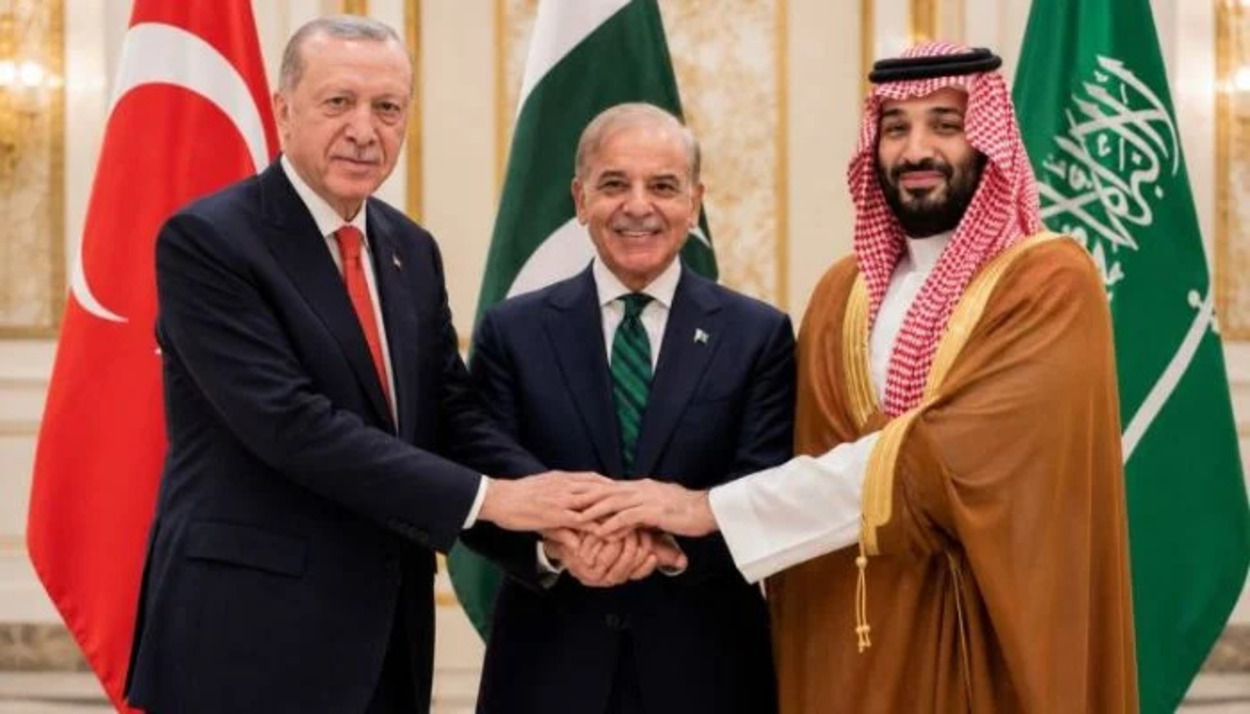
Pakistan, Turkiye and Saudi Arabia trilateral defense partnership represents a potentially important turning point in the security architecture of the Muslim world. Coming at a time of extraordinary instability across the Middle East, the agreement is not merely about military cooperation. It reflects a broader strategic calculation by three influential Muslim countries that regional security can no longer depend exclusively on outside powers.
The importance of the arrangement becomes clearer when viewed against the existing bilateral relationship between Pakistan and Saudi Arabia. Islamabad and Riyadh signed a Strategic Mutual Defense Agreement in September 2025 under which aggression against either country would be regarded as aggression against both. Saudi Arabia subsequently confirmed the arrival of Pakistani military aircraft and personnel under that framework to strengthen coordination and operational readiness. The proposed trilateral framework would potentially add Turkiye’s military capabilities and defense-industrial strength to this established relationship.
For Pakistan, the strategic benefits are substantial. First, the agreement would deepen its security relationship with Saudi Arabia while opening a wider strategic channel with Turkiye. Pakistan already has extensive defense cooperation with Turkiye, including military training, defense production, electronic warfare, military health and joint research and development. The two countries have repeatedly expressed their intention to expand cooperation in defense industries and new technologies. A trilateral framework could therefore transform separate bilateral partnerships into a more integrated security network.
Pakistan also stands to benefit economically from defense cooperation. Its defense industry has considerable experience in aircraft, weapons, ammunition and military equipment, while Turkiye has developed a highly competitive indigenous defense sector covering drones, missiles, naval systems, armored vehicles, electronics and aerospace technologies. Saudi Arabia, meanwhile, has the financial capacity and ambitious localization objectives to become a major defense producer rather than simply an arms importer. Cooperation among the three could create opportunities for joint ventures, technology transfer, training, maintenance facilities and defense exports.
For Turkiye, the partnership offers a strategic bridge between its NATO role, its Middle Eastern interests and its longstanding relationship with Pakistan. Ankara has increasingly sought greater strategic autonomy in defense and has invested heavily in indigenous military technology. President Recep Tayyip Erdogan has emphasized the objective of achieving a highly independent Turkish defense industry, while Turkiye’s defense sector has expanded its global reach. A closer relationship with Saudi Arabia would provide access to a major market and substantial investment opportunities, while Pakistan provides another important defense and geopolitical partner in South Asia.
Saudi Arabia arguably has the most immediate security interest in the arrangement. The Kingdom is surrounded by a complicated regional security environment and wants to strengthen its ability to deter threats while reducing excessive dependence on any single external security provider. A partnership involving Turkiye’s advanced defense industry and Pakistan’s military experience and strategic deterrence would provide Riyadh with additional security options.
The agreement could also accelerate Saudi Arabia’s defense-industrial ambitions under Vision 2030. Rather than simply purchasing weapons from abroad, Riyadh increasingly seeks domestic production, technology partnerships, training and localization. A three-way defense-industrial relationship could help Saudi Arabia attract Pakistani and Turkish expertise while creating a larger market for jointly produced systems.
The military dimension, however, should not be understood simply as preparation for war. Its most important objective may actually be deterrence. Joint exercises, intelligence sharing, military training, interoperability, air and missile defense cooperation, maritime security, counterterrorism coordination, cyber cooperation and defense-industrial collaboration could increase the cost of aggression against any member. The precise provisions of the new agreement remain undisclosed, making it premature to describe it as a NATO-style collective-defense pact.
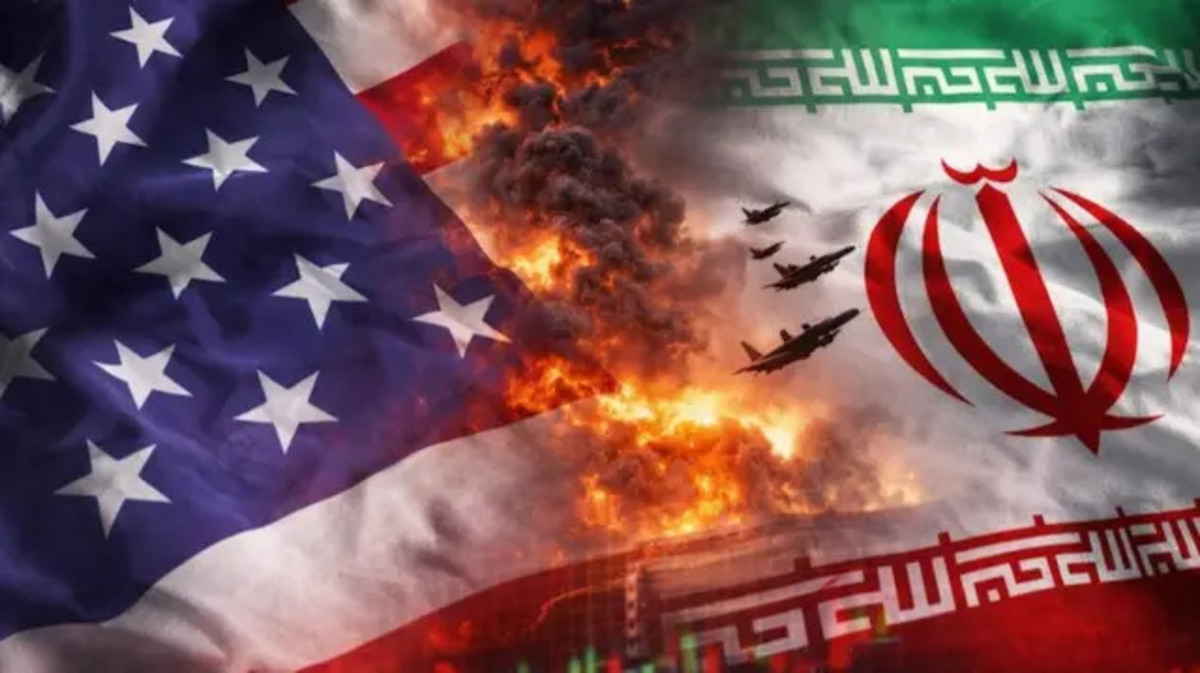
There is also a wider diplomatic dimension. Pakistan, Turkiye and Saudi Arabia have increasingly coordinated their positions on regional crises. Their diplomatic engagement was visible during efforts surrounding the conflict between the United States and Iran, with Pakistan’s mediation efforts receiving support from both Turkiye and Saudi Arabia. This suggests that security cooperation could eventually become part of a broader mechanism for political consultation and crisis management.
For the wider Muslim world, the significance could be even greater. The three countries possess different but complementary forms of power: Pakistan contributes military depth and strategic deterrence; Turkiye contributes defense technology, industrial capacity and geopolitical reach; and Saudi Arabia contributes financial strength, energy influence and religious significance. Properly managed, these capabilities could complement rather than compete with one another.
The partnership could also encourage greater self-reliance among Muslim countries. For decades, many states in the Muslim world have depended heavily on weapons, security guarantees and technology from major external powers. A successful Pakistan-Turkiye-Saudi framework could demonstrate that Muslim countries can pool financial resources, industrial capabilities, military expertise and diplomatic influence to develop their own security mechanisms.
Nevertheless, the alliance will face challenges. Turkiye, Pakistan and Saudi Arabia do not have identical foreign-policy priorities. Their approaches toward Iran, Israel, the United States and various regional conflicts are not always identical. Therefore, the durability of the partnership will depend on whether it is constructed around common security interests rather than directed against a particular country.
The agreement should also avoid becoming an exclusive military bloc. Its greatest value would lie in deterrence, counterterrorism, protection of sovereignty, maritime security, technological cooperation and regional stability. If it is perceived as an instrument for confrontation, it could intensify regional polarization. If it becomes a platform for dialogue and collective security, it could contribute to de-escalation.
Ultimately, the Pakistan-Turkiye-Saudi partnership represents the possibility of a new model of Muslim strategic cooperation. It combines Pakistan’s military capabilities, Turkiye’s technological and industrial strength, and Saudi Arabia’s economic and geopolitical weight. Its real test will not be the signing ceremony but what follows: joint institutions, regular exercises, intelligence mechanisms, defense production, technology sharing and coordinated diplomacy.
If the three countries can institutionalize these areas while maintaining dialogue with other regional powers, the agreement could become a foundation for a more balanced regional security architecture. At a time when the Middle East and wider Muslim world are confronting wars, terrorism, geopolitical rivalry and uncertainty about traditional security guarantees, cooperation among Islamabad, Ankara and Riyadh could send a powerful message: Muslim countries can strengthen their own collective security without abandoning diplomacy.
The emerging trilateral partnership, therefore, should not be judged merely by the number of weapons it produces or soldiers it brings together. Its ultimate significance will depend on whether it creates deterrence without confrontation, cooperation without domination, and strategic autonomy without isolation. That is the opportunity before Pakistan, Turkiye and Saudi Arabia—and, potentially, before the wider Muslim world.
About The Author