Police and Partners Team Up to Tackle Winnipeg’s Addiction Crisis
- Don Woodstock
- Canada
- August 7, 2026
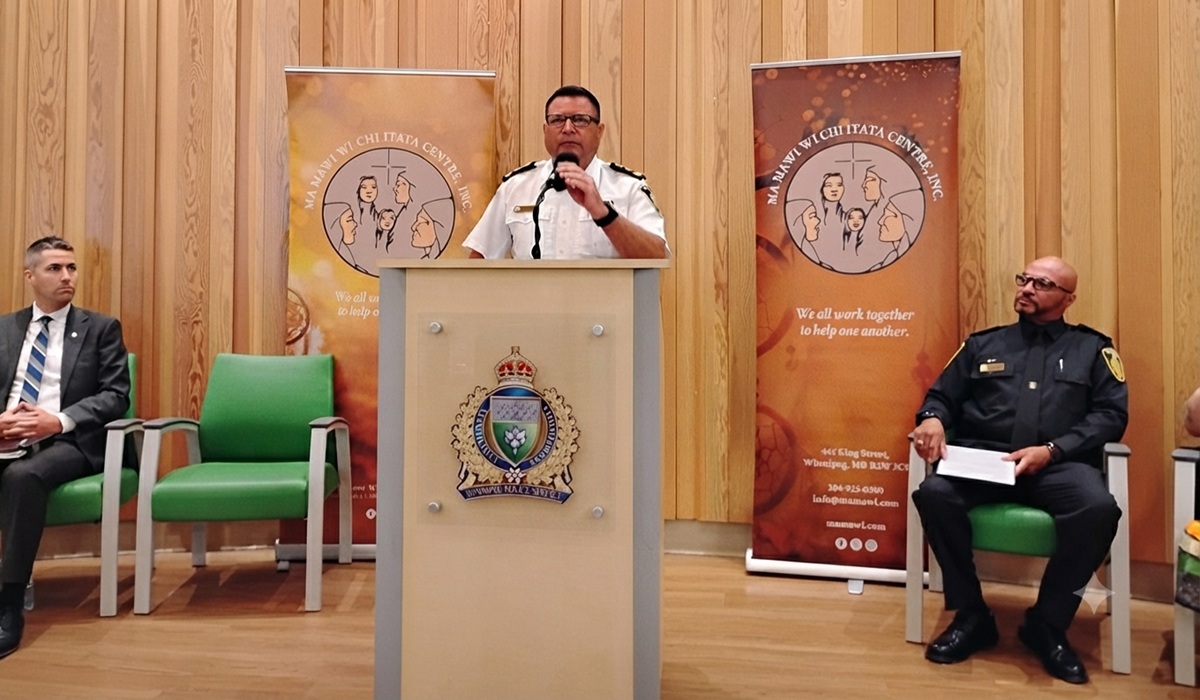
The announcement by the Winnipeg Police Service regarding the continuation of their downtown enforcement and engagement strategy brings to the forefront a conversation that has long needed an honest, unfiltered airing regarding the state of our city. For years, community advocates and front-line observers have argued that what Winnipeg truly requires are comprehensive wrap-around services rather than temporary band-aid solutions. This current operational shift stands in stark contrast to the climate just a couple of months ago when the whole notion of safe injection sites and unyielding harm reduction philosophies were being heavily pushed upon the public with ice water in the veins of decision-makers who seemed completely detached from the human toll on the ground. This pivot means that Winnipeg is finally acknowledging it has a staggering, multi-layered crisis on its hands—a problem rooted deeply in homelessness, untreated addictions, and systemic failures that have never truly been addressed at their core by municipal leadership.
When examining how this city has handled the crisis, one must critically evaluate where the municipal government and the mayor’s office stand in all of this. It becomes rather rich for political leaders to proclaim that more needs to be done and that we cannot simply accept the status quo when they have presided over the city administration for years. You cannot keep executing the exact same policy framework, expecting a completely different outcome, and then act surprised when the streets remain chaotic. The structural issues plaguing downtown Winnipeg require profound accountability from city hall, yet the burden has continually fallen squarely onto the shoulders of the police service.
This reality begs the obvious question: where does the police role actually begin and end? Police officers in Winnipeg are ostensibly there to keep the community safe, and by all objective metrics, they perform a remarkable job considering that the ratio of active crime to available police personnel is astronomically high. Call volumes are persistently severe, and the physical and psychological toll on the force is immense. The results of their latest ten-day enforcement blitz were nothing short of significant, managing to pull a substantial amount of dangerous drugs, weapons, and illicit paraphernalia off the streets while putting a noticeable dent in local crime metrics. Property crime incidents dropped by over ten percent and violent crime decreased by more than sixteen percent during that targeted window, proving that visible, proactive law enforcement suppresses immediate criminal activity.
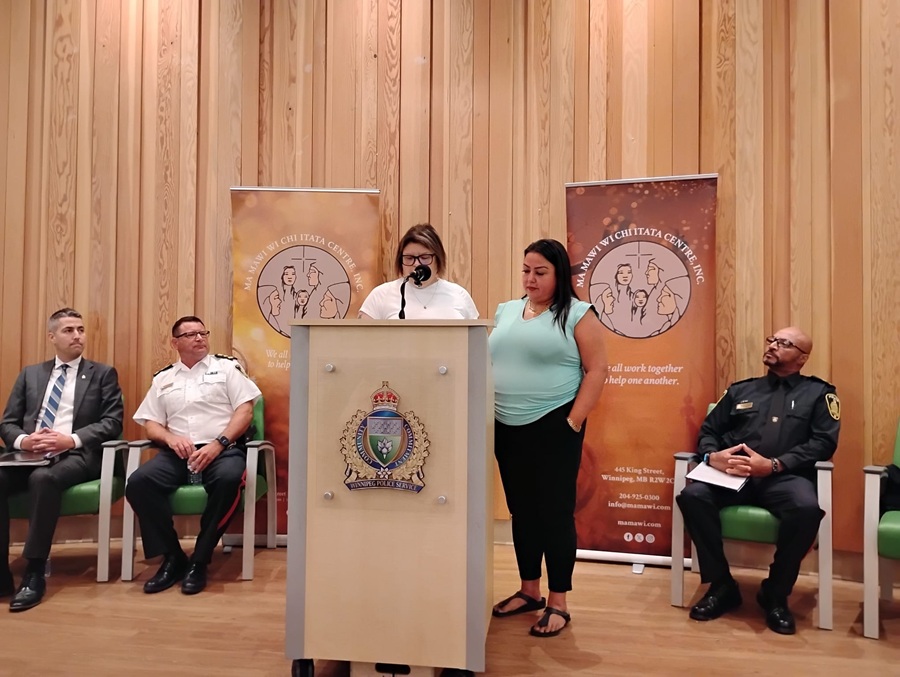
Yet, police officers are routinely forced to play law enforcement officer, emergency therapist, medical doctor, and primary caregiver all at once because the broader social safety net has completely fractured. They are dealing with human suffering on an industrial scale with the limited resources they have been given. At the end of the day, it is entirely fair to state that none of the substances being openly consumed on our streets are safe, as they are toxic compounds destroying human bodies. The people engaging in open drug use are profoundly vulnerable individuals who are crying out for real help, not just a permissive environment that normalizes their destruction.
Amidst these heavy challenges, it is worth acknowledging Ka Ni Kanichik and its executive director, Jackie Anderson, stepping into the coordination role for this multi-agency network. Taking on the task of aligning multiple community groups and acting as a liaison with law enforcement is a demanding logistical hurdle. If this partnership is going to function as intended, it requires clear communication, realistic expectations, and a genuine willingness from all participating organizations to meet the practical demands on the ground rather than getting bogged down in administrative friction.
Under this newly announced operational model, the Winnipeg Police Service will be attempting to bridge historical gaps by working hand-in-hand with these very organizations, heavily leaning into First Nations-led groups dedicated to culturally grounded care. Under this cooperative framework, when emergency calls involving substance issues arise that do not necessitate an immediate criminal arrest, the police will coordinate directly with these joint networks. This hand-off approach ensures that specialized personnel are on hand to assist in facilitating proper health pathways, system navigation, and social support.
With this new collaborative effort taking shape, there is finally a grounded reason for cautious optimism that more is being done to assist those who truly cannot help themselves. However, major questions remain regarding the long-term viability of this strategy, particularly concerning the genuine availability of true wrap-around services. It sounds wonderful on paper to announce collaborative committees and liaison roles, but unless there are enough physical treatment beds, detox spaces, and housing units available to absorb these individuals, the system will remain gridlocked. As the Winnipeg Police Service continues to work alongside the community to prioritize public safety through this upcoming operational phase lasting into the fall, any authentic form of wrap-around service remains deeply prudent. It provides struggling individuals with the tangible, life-saving assistance they desperately need to escape a cycle of addiction, while simultaneously restoring a sense of safety, order, and dignity to the streets and communities of Winnipeg.
About The Author