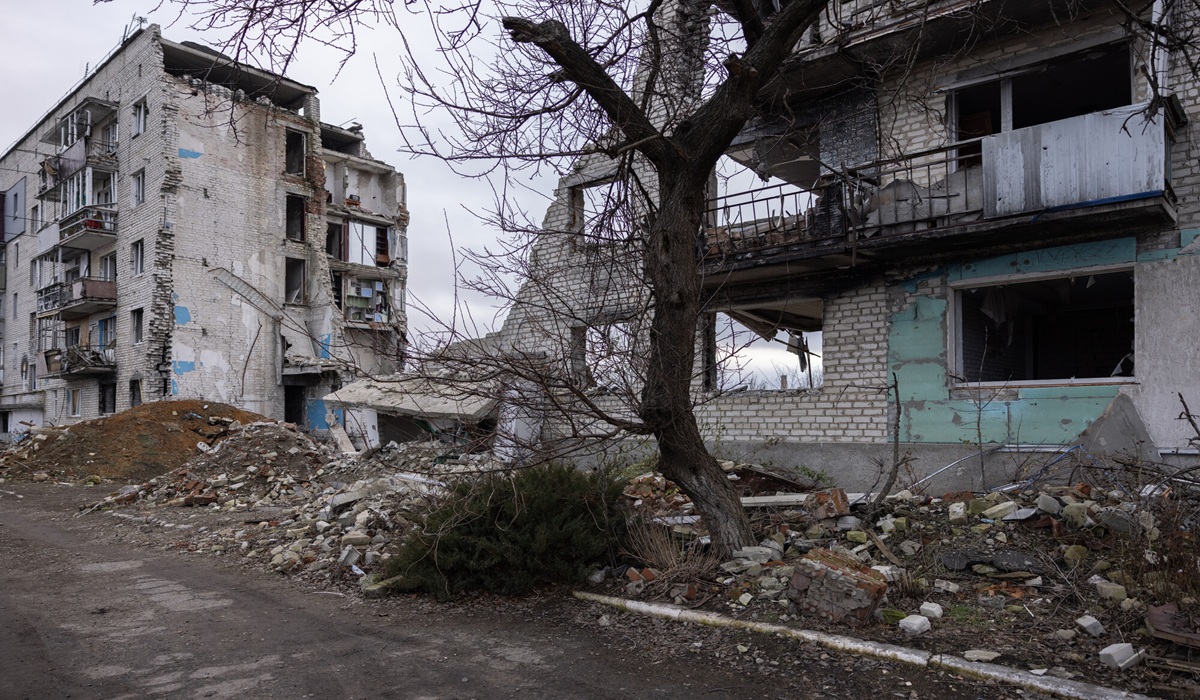
Across the Atlantic, the protracted conflict in eastern Ukraine entered another grueling phase as Russian forces secured minor territorial gains along contested axes near Kramatorsk and the Donetsk region. Heavy artillery duels and continuous drone reconnaissance characterized the daily struggle for control over strategic ridgelines.
Military analysts noted that while major breakthroughs remained elusive for either side, heavy artillery exchanges and infantry engagements continued unabated across a frozen landscape of ruined infrastructure. Both militaries heavily relied on electronic warfare systems to disrupt enemy communications and navigation signals.
Ukrainian defense units fortified their secondary and tertiary defensive lines, leveraging reconnaissance drones and electronic warfare systems to blunt ongoing mechanized assaults. Combat engineers worked under the cover of darkness to lay new minefields and reinforce bunker networks.
International humanitarian organizations operating within the war zone reported rising civilian strain due to persistent infrastructure damage, which frequently disrupted power and water supplies in frontline towns. Mobile health clinics struggled to deliver essential medications to elderly residents who chose to remain behind.
Observers pointed out that military strategy on both sides had increasingly pivoted toward attritional sustainability, balancing troop rotations with the constant demand for ammunition and drone production. Industrial output in defense sectors became the primary determinant of sustained operational capability.
Diplomatic channels remained frozen as respective leaderships maintained firm positions on territorial integrity and security guarantees, leaving a weary civilian population to endure the daily realities of an unrelenting war. International mediators continued behind-the-scenes discussions to explore potential pathways for future dialogue.
Supply lines faced constant threat from aerial interdiction, forcing logistics coordinators to adopt decentralized distribution methods and nighttime transport schedules. Maintaining morale among frontline troops required a steady influx of rotational rest periods and psychological support services.
The environmental toll of the conflict became increasingly evident, with vast tracts of agricultural land rendered unusable due to unexploded ordnance and chemical contamination. Reconstruction experts estimated that clearing the affected regions would take decades and require unprecedented international cooperation.
About The Author