Canada Faces Worsening Wildfire Season Amid Heightened Diplomatic Friction
- Ingrid Jones
- Canada
- July 28, 2026
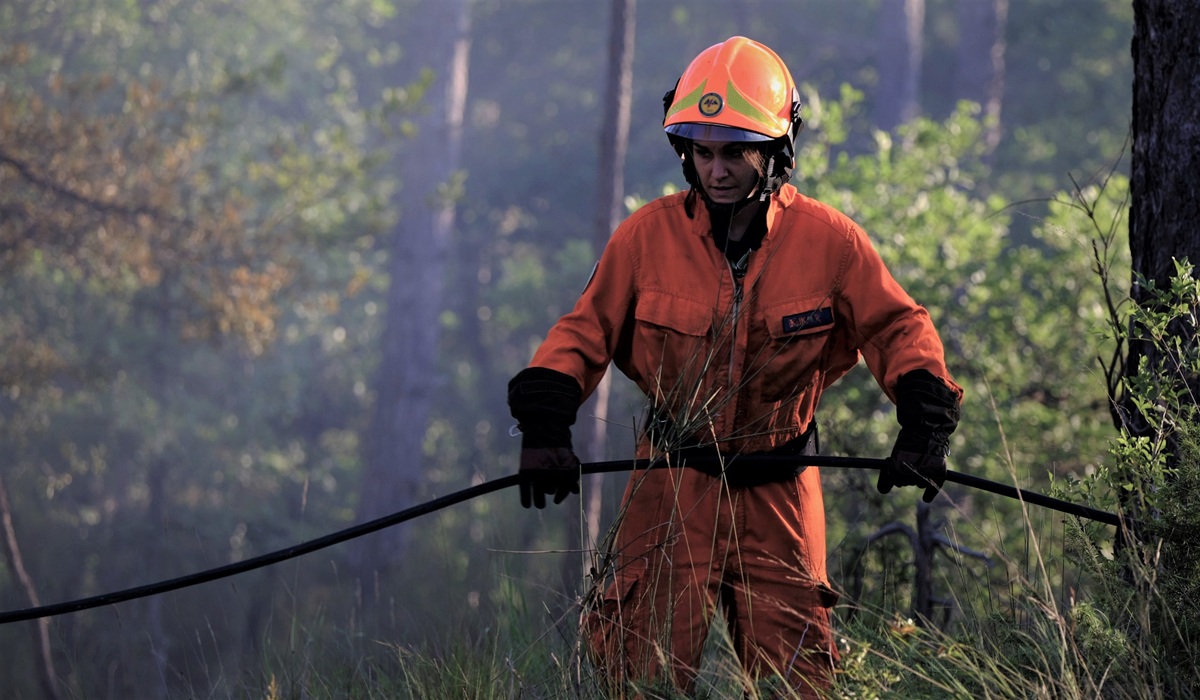
Image Credits: Matteo Baronti
The Canadian government has issued an updated national report detailing an increasingly volatile wildfire season across multiple provinces and territories. Federal emergency management officials confirmed that hundreds of active forest fires continue to burn out of control, fueled by persistent high temperatures and abnormally dry conditions. Firefighting crews across Western and Northern Canada have been deployed continuously to protect remote communities, critical infrastructure, and provincial transport routes. While precipitation in certain southern regions provided temporary relief, modelling from environmental scientists indicates that elevated fire risks will persist throughout the remainder of the summer months.
The severity of the situation is particularly acute in British Columbia, northern Manitoba, and the Northwest Territories. Emergency response agencies have expanded evacuation alerts as dry winds and localized lightning strikes ignite fresh hotspots. In response, Ottawa announced targeted investments designed to boost localized firefighting infrastructure and community preparedness. Funding allocations will support Indigenous leadership initiatives aimed at enhancing regional forest management, emergency planning, and initial containment capacity.
In addition to internal emergency response pressures, the wildfire crisis has generated significant international political ripple effects. Dense smoke plumes generated by large burning complexes have drifted south across the border, casting heavy haze over vast stretches of the northern United States. This air quality degradation has reignited intense rhetoric from American political figures. Former President Donald Trump and several United States lawmakers have sharply criticized Canadian forestry practices, suggesting that inadequate environmental management on the northern side of the border is creating direct economic and public health harm for American citizens.
This external political pressure arrives at a delicate moment for bilateral relations. High profile trade discussions and border cooperation efforts have already experienced friction, and the cross border smoke controversy has added fresh strain to diplomatic communications. American political leaders have repeatedly raised the prospect of unilateral trade measures or retaliatory policy actions if cross border environmental hazards are not curtailed. Canadian authorities have responded by pointing to unprecedented global climate shifts that have intensified wildfire behavior worldwide, emphasizing that joint cooperation rather than adversarial rhetoric is required to address shared ecological challenges.
The economic consequences of the fires extend far beyond immediate damage to timber reserves and regional tourism. Transport disruptions caused by highway closures and low visibility have slowed supply chains in key resource sectors. Major rail operators have instituted speed restrictions through affected fire zones to minimize derailment risks, adding operational delays to cross country freight shipments. Small businesses operating in seasonal tourist destinations have reported substantial cancellation rates as visitors avoid smoke affected regions.
Public health officials in neighboring provinces have issued recurring air quality advisories, urging vulnerable populations to remain indoors and utilize air purification systems. Local governments are establishing cleaner air shelters in community centers to protect elderly residents and individuals with pre existing respiratory conditions. Emergency room visits for asthma and breathing complications have shown notable upticks in cities directly downwind from active blazes.
As federal and provincial authorities coordinate containment strategies, broader structural questions remain regarding long term adaptation. Forestry experts emphasize that changing precipitation patterns and elevated seasonal temperatures require fundamentally shifting how wilderness areas are managed. Suggestions include expanding controlled burn programs during cooler months, increasing investments in heavy aerial firefighting equipment, and establishing permanent cross border joint disaster response units.
For now, emergency crews remain focused on immediate containment as weather forecasts predict continued above average temperatures. The political dialogue between Ottawa and Washington continues to unfold alongside tactical emergency efforts, highlighting how localized environmental crises can rapidly expand into multifaceted international diplomatic challenges.
About The Author