A Crucible on the Waterways: Escalating U.S.-Iran Strikes, Maritime Paralysis, and the Humanitarian Toll
- Hami Aziz
- Middle East
- Tiger's Eye Advisory Group - Trending News
- July 23, 2026
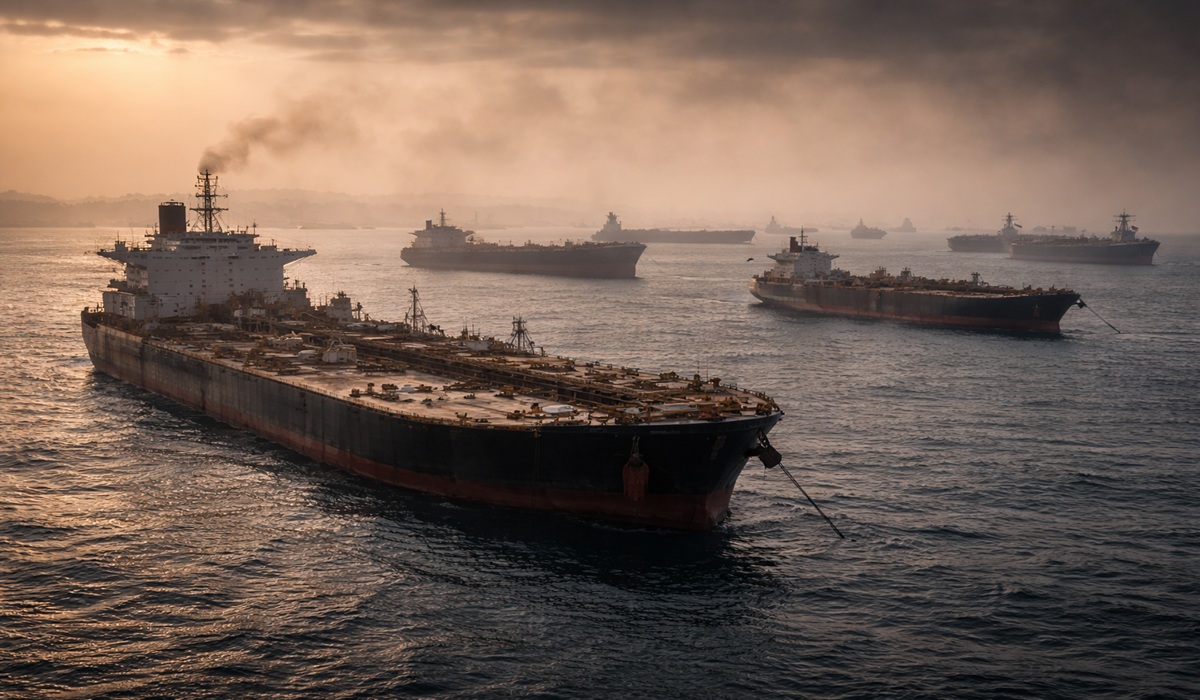
The Middle East is enduring one of its most dangerous and economically destabilizing security crises in decades, as weeks of escalating direct military exchanges between the United States and Iran threaten to plunge the broader region into unchecked conflict. What began as localized naval friction has escalated into a sustained campaign of airstrikes, missile barrages, and asymmetric maritime warfare that spans crucial international waterways. With military operations crippling global commercial shipping routes and devastating civilian infrastructure, international calls for immediate de-escalation are being drowned out by the thunder of missile impacts.
At the physical center of the crisis is the strategic battle for maritime chokepoints. U.S. Central Command has executed dozens of consecutive nights of targeted airstrikes across Iranian territory, aimed at neutralizing anti-ship missile batteries, radar installations, drone production facilities, and naval command centers. Despite these intense bombardment campaigns, retaliatory strikes from Iranian forces and regional proxy groups have severely disrupted traffic through the Strait of Hormuz—the vital maritime corridor through which roughly one-fifth of the world’s petroleum passes. Although federal defense officials in Washington maintain that the waterway remains legally open, commercial tanker fleets have drastically curtailed passage due to high risk, explosive sea mines, and direct missile threats.
The crisis has spread to the Bab al-Mandab Strait and the Red Sea, where Yemen’s Iran-backed Houthi movement has resumed coordinated attacks against international oil tankers and merchant vessels. The threat of complete maritime blockades across both major regional chokepoints has sent shockwaves through global markets, driving crude oil prices sharply upward, inflating maritime insurance premiums, and forcing international cargo carriers to reroute ships around the southern tip of Africa. In response to the disruption, Washington has issued stern warnings, threatening targeted strikes on major industrial bridges and energy infrastructure should attacks on international commercial shipping persist.
The broader geopolitical shockwaves are severely straining regional security architecture. The diplomatic arena was further inflamed following attempts to draw neighboring Gulf monarchies into the expanding theater of conflict. Statements from regional powers, including a formal declaration from Pakistan’s foreign ministry, expressed grave concern over actions targeting Saudi Arabia and Red Sea trade routes, reaffirming mutual defense commitments and warning that threats to regional maritime security pose a direct hazard to international stability.
While global focus centers on oil trade and military maneuvers, the human and civilian toll across affected countries is reaching alarmingly critical levels. United Nations humanitarian briefings highlight widespread damage to critical civilian infrastructure across the region. In southern Iran, missile impacts damaged a major water desalination facility in Hormozgan province, cutting off access to clean drinking water for thousands of residents. Medical facilities have also been caught in the crossfire; recent explosions near the Baqaei Reference Hospital forced emergency evacuations of vulnerable pediatric cancer patients.
The collateral impact extends across neighboring Gulf states as well. Falling shrapnel from air defense interceptions has caused civilian injuries in Qatar, while strikes on industrial installations in Kuwait resulted in significant structural damage to power generation units and oil processing facilities. Furthermore, international nuclear watchdogs, including the International Atomic Energy Agency (IAEA), have raised urgent alerts following reports of military strikes in close proximity to the Darkhovin nuclear power plant site in southern Iran. Although the facility remains in early construction and currently contains no nuclear fuel, IAEA leadership warned that military operations near nuclear infrastructure set a perilous precedent and risk catastrophic environmental and radiological consequences.
Compounding the crisis, vital international aid operations are stalling. UN officials have warned that the choking off of Red Sea and Persian Gulf shipping lanes is directly obstructing the movement of essential food aid, medical supplies, and humanitarian logistics intended for vulnerable populations across the Middle East and East Africa. As diplomatic efforts remain stalled and military commanders prepare for continued operations, the region remains suspended on a knife-edge. Without an immediate, verifiable cessation of hostilies, the escalating conflict threatens not only to devastate civilian lives across the Middle East but also to inflict severe, long-term shockwaves on the global economy.
About The Author