The Iron Rule and the Spending War: Washington’s Domestic Crackdowns and Expanding Overseas Liabilities
- Ingrid Jones
- U.S.A
- July 23, 2026

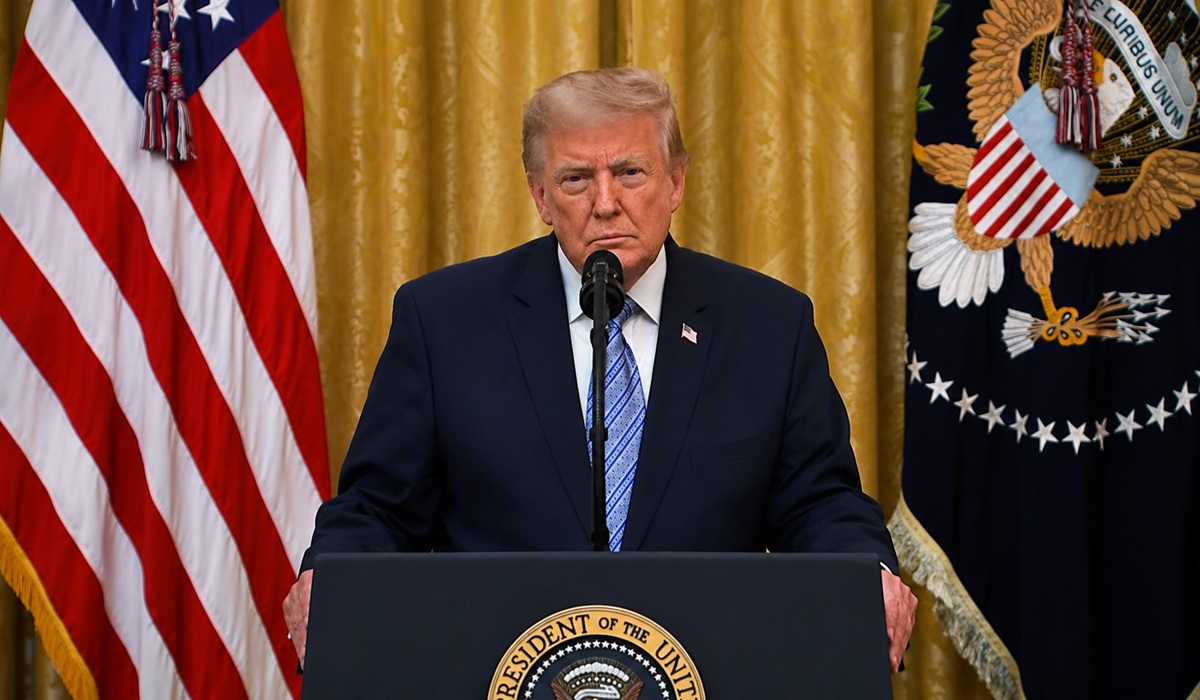
In the summer of 2026, the United States is gripped by a intense intersection of aggressive domestic executive action, sweeping regulatory enforcement, and mounting political friction over expanding foreign military commitments. Inside the Beltway, the federal government is executing an unprecedented administrative overhaul targeting immigration, higher education, and national security protocols. Meanwhile, on Capitol Hill, a sharply divided Congress is battling over the skyrocketing fiscal and strategic costs of American military interventions across the globe.
The centerpiece of the federal administrative strategy is a dramatic, hardline overhaul of the nation’s immigration enforcement and visa regulatory apparatus. In mid-July, the Department of Homeland Security finalized a landmark regulatory rule that officially terminates the decades-old “duration of status” framework for international students, exchange visitors, and media personnel holding F, J, and I visas. Under the previous system, which had been in place since 1978, foreign academic visa holders were permitted to stay in the United States indefinitely as long as they maintained continuous enrollment, leading critics to cite widespread abuses by so-called “forever students” who cycled through courses to evade departure. The new rule imposes a strict maximum four-year cap on initial admissions and strips university administrators of their authority to grant visa extensions. Instead, foreign students requiring additional academic time must apply directly to U.S. Citizenship and Immigration Services for mandatory federal extensions, subjecting applicants to rigorous biometric vetting, background checks, and fraud screenings. Furthermore, the grace period allowed for post-graduation departure or school transfers has been slashed from 60 days to 30 days.
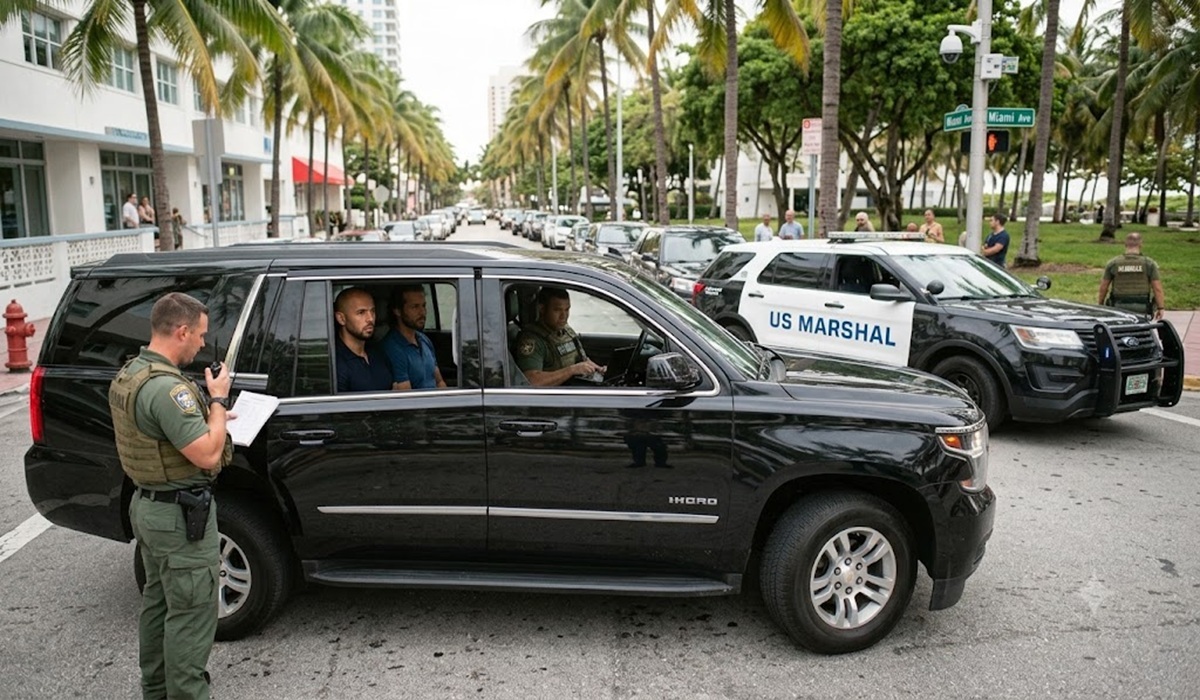
This regulatory shift operates alongside a massive, nationwide expansion of physical immigration enforcement. Recent government data reveals that U.S. Immigration and Customs Enforcement (ICE) conducted over 43,000 arrests in a single month—the highest single-month total recorded during the current administration. Detention facility populations have surged past 65,000 individuals, while total deportations since early 2025 have surpassed 590,000. This aggressive push has drawn fierce debate from civil rights advocates, particularly as federal data indicates that a significant percentage of those held in detention possess no prior criminal record. Yet federal officials remain resolute, arguing that strict, visible enforcement and routine vetting are essential prerequisites for restoring national security and the rule of law.
Simultaneously, the administration has turned its regulatory spotlight onto elite higher education institutions. In a joint initiative involving the Department of Education’s Office for Civil Rights, the Department of Health and Human Services, and the Department of Justice, federal authorities launched formal investigations into five prominent medical schools, including the Dartmouth Geisel School of Medicine, the East Carolina University Brody School of Medicine, and St. Louis University School of Medicine. The federal inquiry is investigating whether these institutions violated Title VI of the Civil Rights Act by relying on racial quotas, diversity metrics, or race-conscious considerations in their admissions processes. Executive leaders have declared a mandate to eradicate institutional racial preferences in medical training, asserting that academic merit and objective testing must serve as the sole criteria for prospective physicians. This aggressive federal oversight has sent shockwaves through higher education, forcing university legal teams across the country to overhaul their admissions frameworks to avoid federal funding freezes or civil rights litigation.
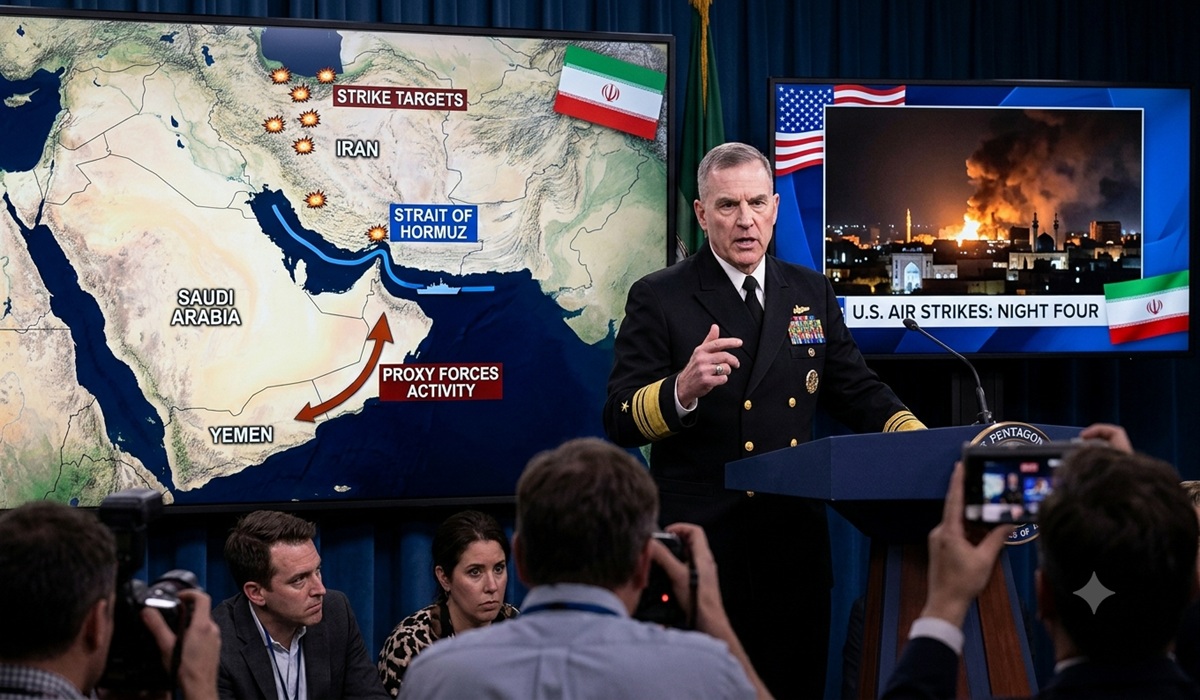
While domestic agencies focus on internal enforcement, the halls of Congress are embroiled in bitter political battles over the trajectory of U.S. foreign policy and military spending. American forces have been engaged in continuous, direct military operations in the Middle East, conducting nightly airstrikes against missile installations, command facilities, and maritime interdiction assets. With U.S. Central Command reporting dozens of consecutive nights of bombardment, the financial toll of sustained naval deployments, precision munitions replenishment, and regional air defense operations has mounted exponentially.
Congressional lawmakers are facing growing unease from voters over the expanding operational scope and open-ended nature of these overseas actions. Defense spending bills and emergency supplemental appropriations face intense scrutiny as deficit hawks and foreign policy skeptics demand clear exit strategies, precise cost accounting, and formal War Powers authorizations. The political friction is further amplified by domestic economic pressures, as global energy price spikes driven by naval conflict begin to trickle down to American consumers in the form of higher fuel and freight costs.
The United States in mid-2026 presents a portrait of a nation asserting unyielding executive authority on multiple fronts. From stripping foreign student visa flexibilities and executing record immigration enforcement, to cracking down on university admissions practices and waging sustained military operations abroad, Washington is pursuing an uncompromising agenda. As federal agencies double down on these policies and Congress wrestles with the burgeoning financial costs, the nation stands at a intense political crossroads that will shape American law, academia, and foreign posture for years to come.
About The Author