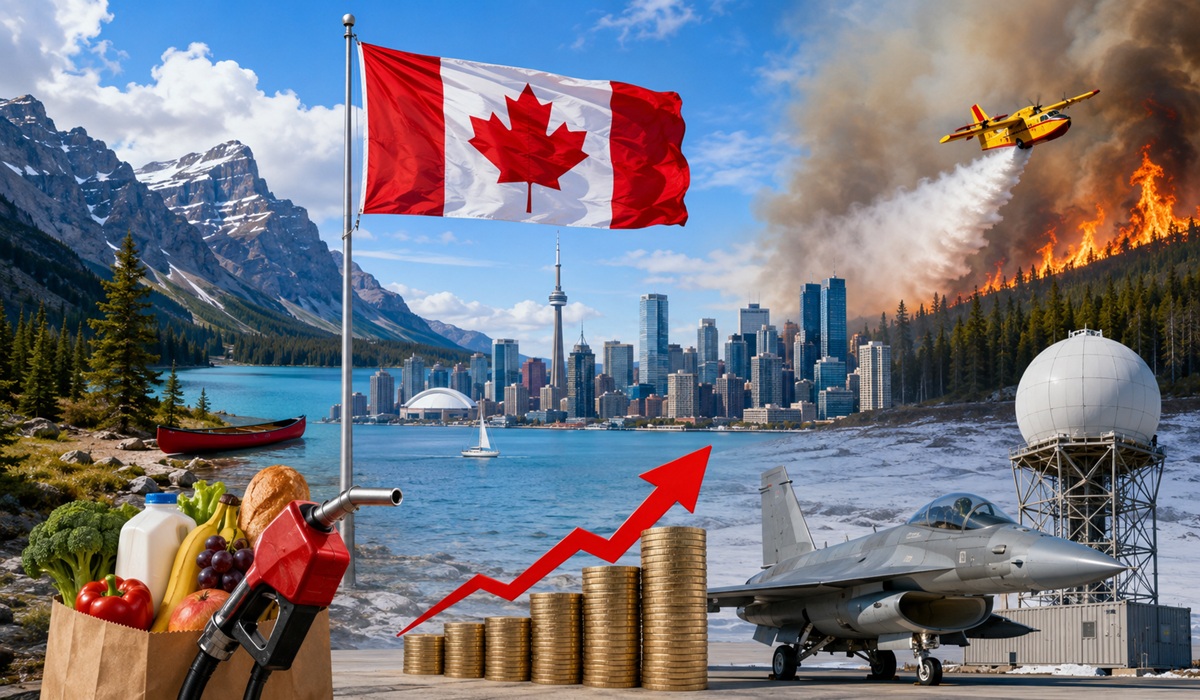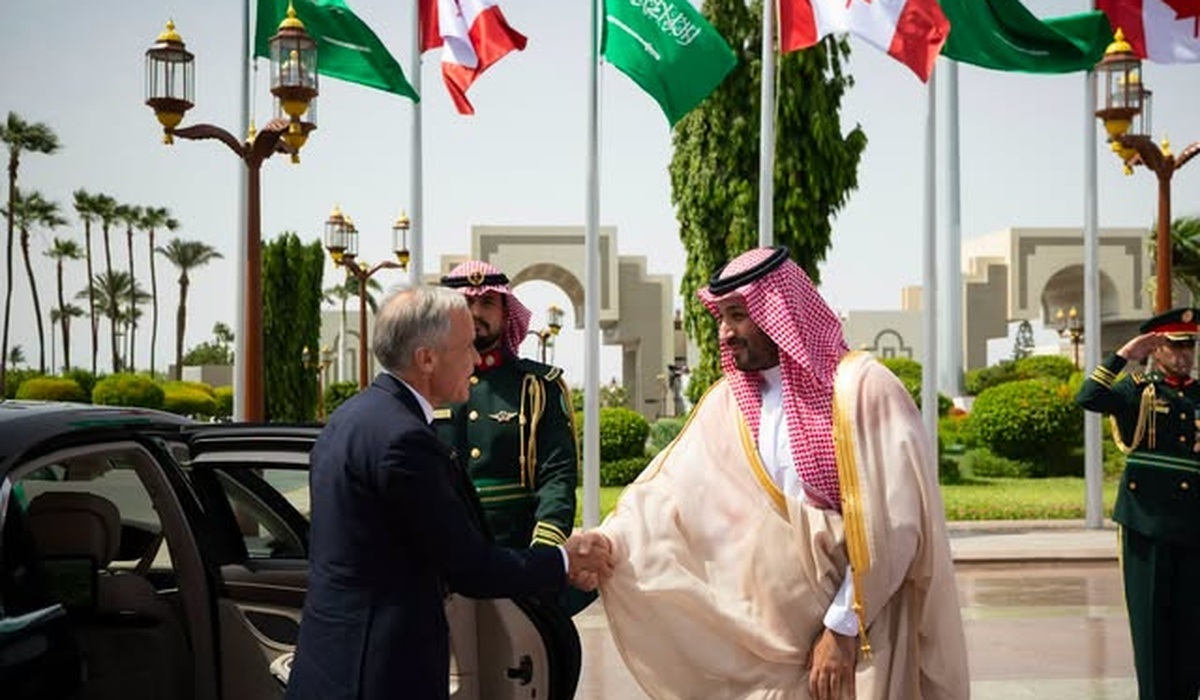
JEDDAH, Saudi Arabia — Marking the first official visit by a Canadian leader to the Kingdom in 26 years, Prime Minister Mark Carney concluded a high-stakes bilateral summit with Crown Prince Mohammed bin Salman aimed at embedding Canadian trade and technology into Saudi Arabia’s trillion-dollar “Vision 2030” economic transformation framework. The historic diplomatic pivot, which followed Carney’s attendance at the 2026 NATO Summit in Ankara, signals a deliberate strategy by Ottawa to cultivate new global connections, diversify its export partnerships beyond the United States, and secure long-term opportunities for Canadian businesses in an increasingly volatile global landscape.
The visit immediately yielded 13 new commercial agreements and memorandums of understanding valued at over $1 billion, covering strategic growth sectors like infrastructure, advanced healthcare tech, clean energy, and artificial intelligence. Among the headline technology deals, Canadian frontier AI firm Cohere partnered with Saudi Arabia’s HUMAIN to build dedicated infrastructure for next-generation, sovereign AI models—a collaboration backed by a commitment of at least 50 megawatts of specialized compute capacity. Concurrently, BlackBerry and Aramco Digital entered formal discussions to pioneer secure industrial communications and next-generation security technology within the Kingdom. On the physical infrastructure side, Canadian engineering firms secured key roles in delivering massive Vision 2030 transit networks, while experts from Canadian colleges signed agreements to train the rapidly expanding Saudi domestic workforce in skilled trades, technology, and modern medicine.
Geopolitical security and long-term investment architecture also topped the high-level agenda in Jeddah. In response to recent regional volatility, including the July 7, 2026, Iranian attacks on commercial vessels in the Strait of Hormuz, Canada and Saudi Arabia issued a joint condemnation of the aggression, warning that such acts jeopardize ongoing diplomatic stabilization efforts. To reinforce mutual security interests, the two nations committed to finalizing a formal defence cooperation pact, a move accelerated by Canada’s decision to establish a new, permanent resident Defence Attaché presence in Riyadh to boost defence sector exports.
To ensure the economic momentum outlives the summit, Prime Minister Carney announced that the two nations expect to fully conclude negotiations for a Foreign Investment Promotion and Protection Agreement (FIPA) by early 2027, alongside active talks on a new double-taxation treaty to ease the flow of skilled workers and capital. Foreign Affairs Minister Anita Anand praised the diplomatic breakthrough as a “new chapter” in bilateral relations, emphasizing that deep-tier integration with the Middle East’s largest economy is essential for building a more resilient domestic workforce. Looking forward, Ottawa plans to solidify its footprint in the region by leading a targeted delegation of major Canadian pension funds to Riyadh, setting up a national pavilion at the 2028 World Defence Show, and confirming full participation in Expo 2030.
This deepened collaboration across strategic sectors also introduces a coordinated approach to the global energy transition. Under a newly signed energy memorandum of understanding, Canada and Saudi Arabia will actively look to attract major investments into renewable energy, liquefied natural gas (LNG), hydrogen, and carbon capture and storage (CCS) systems. By aligning Canada’s advanced clean-technology capabilities with Saudi Arabia’s immense capital resources, both nations intend to build out more secure supply chains for critical minerals and sustainable energy infrastructure. Minister of International Trade Maninder Sidhu, who laid the groundwork for these agreements during a high-profile business delegation to the Kingdom earlier this year, emphasized that leveraging these complementary strengths will provide a powerful counterweight to shifting global markets.
To sustain this diplomatic and economic momentum on a permanent basis, the two leaders officially ratified the creation of a Canada-Saudi Arabia Coordination Council. Led directly by their respective foreign ministers, the council will serve as the primary institutional body overseeing bilateral priorities, from education partnerships to joint security efforts. This mechanism will immediately manage upcoming initiatives, including a strategic alliance between Canadian and Saudi educational institutions to train early childhood and English language educators in the Kingdom. It will also govern Canada’s planned military contributions to the regional Multinational Military Maritime Mission, where Canadian forces stand ready to deploy specialized expertise in maritime logistics, cyber defense, satellite imagery, and demining as conditions allow.
About The Author