Canada’s Submarine Decision Marks a Defining Moment for National Security
- Ingrid Jones
- Canada
- July 6, 2026
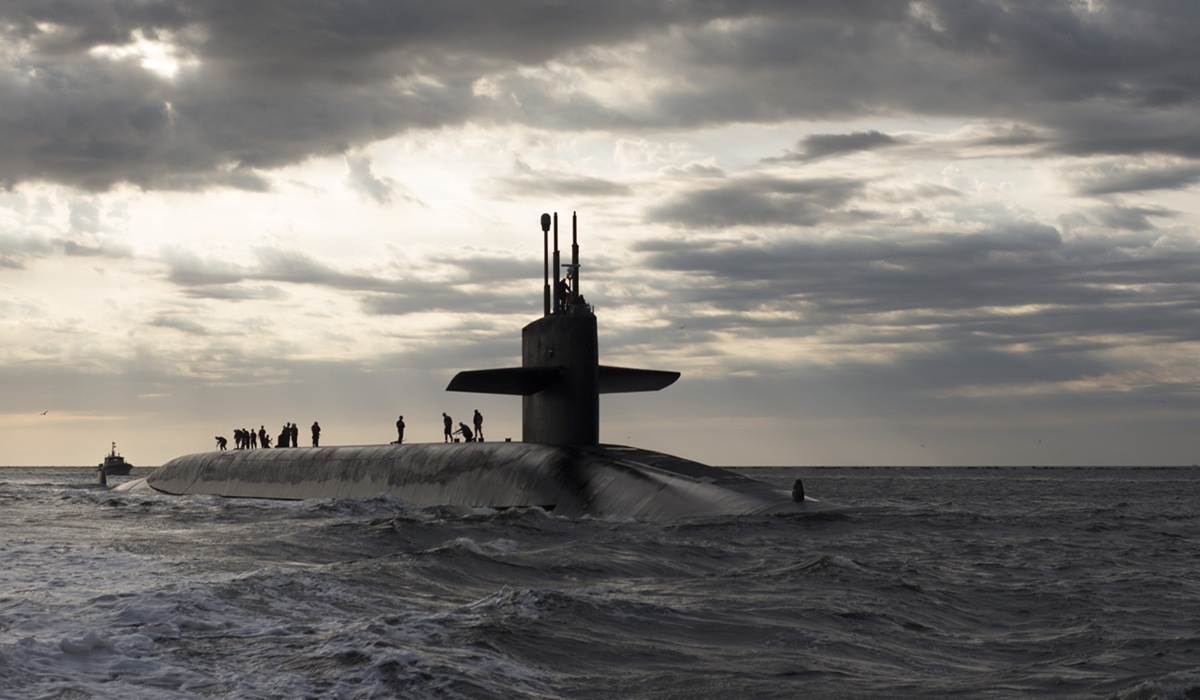
There are moments in government when a single announcement quietly changes the direction of a country. They rarely come with fanfare, and they often receive far less public attention than they deserve. Canada’s decision on its next fleet of submarines is one of those moments. While the headlines will naturally focus on the winning bidder and the size of the contract, the larger story is about how Canada sees itself in a world that has become considerably more uncertain than it was only a decade ago.
Prime Minister Mark Carney is expected to announce the company selected to build a new fleet of up to 12 conventionally powered submarines for the Royal Canadian Navy. It is one of the largest defence procurements ever undertaken by the federal government and one that will shape military planning for decades. The current Victoria-class submarines have served Canada for years, but they are nearing the end of their useful life and have become increasingly expensive to maintain. Replacing them is no longer viewed as a luxury or a long-term ambition. It has become a necessity.
The competition has attracted international attention because of both its size and its strategic importance. Germany and South Korea have emerged as the two finalists, each presenting a different vision for Canada’s future naval capability. Germany has emphasized decades of experience supplying NATO allies and the advantages of operating equipment already familiar to many European navies. South Korea has promoted modern technology, faster construction timelines and significant opportunities for Canadian industry. Both proposals offer strengths, but Ottawa’s decision extends well beyond comparing technical specifications.
Canada’s geography has always influenced its defence priorities. Few countries possess coastlines stretching across three oceans while also maintaining responsibility for one of the largest Arctic territories on Earth. For generations, that geography offered a degree of protection. Oceans created distance, and distance often created security. Today, those assumptions are rapidly disappearing. Military planners now view the Arctic as one of the world’s most important strategic regions, with increasing activity from Russia, growing interest from China and heightened attention from NATO allies.
Protecting sovereignty means far more than drawing lines on a map. It requires the ability to monitor northern waters, gather intelligence and respond when necessary. Modern submarines provide capabilities that cannot be replicated by surface vessels alone. Their value lies not simply in their firepower but in their ability to operate quietly, collect information and deter potential adversaries without announcing their presence. In today’s security environment, those capabilities have become increasingly important as countries invest more heavily in surveillance, cyber operations and advanced maritime technology.
The timing of the announcement is equally significant. It comes immediately before a major NATO summit where defence spending and alliance readiness are expected to dominate discussions. For years, Canada has faced criticism from partners who argued that the country was relying too heavily on others while contributing too little to collective security. Ottawa has since committed to increasing military investment and modernizing the Canadian Armed Forces after years of delayed procurement and aging equipment. Selecting a preferred submarine builder allows the government to demonstrate that those commitments are beginning to translate into tangible action rather than remaining policy objectives on paper.
No discussion of a project this large can ignore the financial questions that accompany it. Canadians continue to grapple with housing affordability, healthcare pressures and the rising cost of everyday life. It is entirely reasonable for taxpayers to ask whether billions of dollars should be directed toward military equipment while other priorities remain under strain. Governments must answer those questions honestly because defence spending does not exist in isolation. Every major investment represents a choice about where public resources will be directed.
Supporters of the project argue that the conversation should not focus solely on the purchase price. Defence procurement on this scale creates long-term employment, supports advanced manufacturing, strengthens domestic supply chains and encourages technological innovation across multiple industries. Shipbuilding programs often extend over decades, providing stable work for engineers, tradespeople, manufacturers and researchers. While national security remains the primary objective, the economic impact is expected to reach well beyond the defence sector itself.
There is also an important diplomatic dimension that should not be overlooked. Choosing Germany would reinforce Canada’s longstanding defence relationship with Europe and strengthen interoperability with several NATO partners already operating similar submarine designs. Selecting South Korea would deepen Canada’s ties with one of the Indo-Pacific region’s fastest-growing defence industries while reflecting Ottawa’s increasing strategic interest in that part of the world. Either decision sends a message about where Canada believes its future partnerships should develop as global power continues to shift.
History has shown that announcing a preferred supplier is only the beginning of a lengthy process. Negotiations must still be completed, construction schedules finalized, maintenance infrastructure established and crews trained before the first submarine ever enters service. Large defence projects rarely move as quickly as governments hope, and they almost always face scrutiny over budgets and timelines. Delivering this project efficiently will prove just as important as selecting the right platform.
Perhaps the most significant aspect of today’s announcement is what it says about Canada’s broader outlook. For many years, defence modernization remained a discussion for policy experts and military planners while attracting relatively little public attention. Recent global events have changed that. The security challenges facing democratic nations have become more complex, the international environment has become less predictable and the expectation that geography alone can provide protection has steadily eroded.
Canada now finds itself making decisions that previous generations could afford to postpone. Whether the new submarines are ultimately built in Europe or Asia, the underlying message remains the same. The country is investing in capabilities that will influence its security, its alliances and its international role for decades to come. Long after today’s political debates have faded and future governments have taken office, the consequences of this decision will still be shaping Canada’s ability to protect its interests at home and contribute alongside its allies abroad.
About The Author