Police Launch 10-Day Downtown Crackdown as City Confronts Growing Public Safety Crisis
- Don Woodstock
- Canada
- June 26, 2026
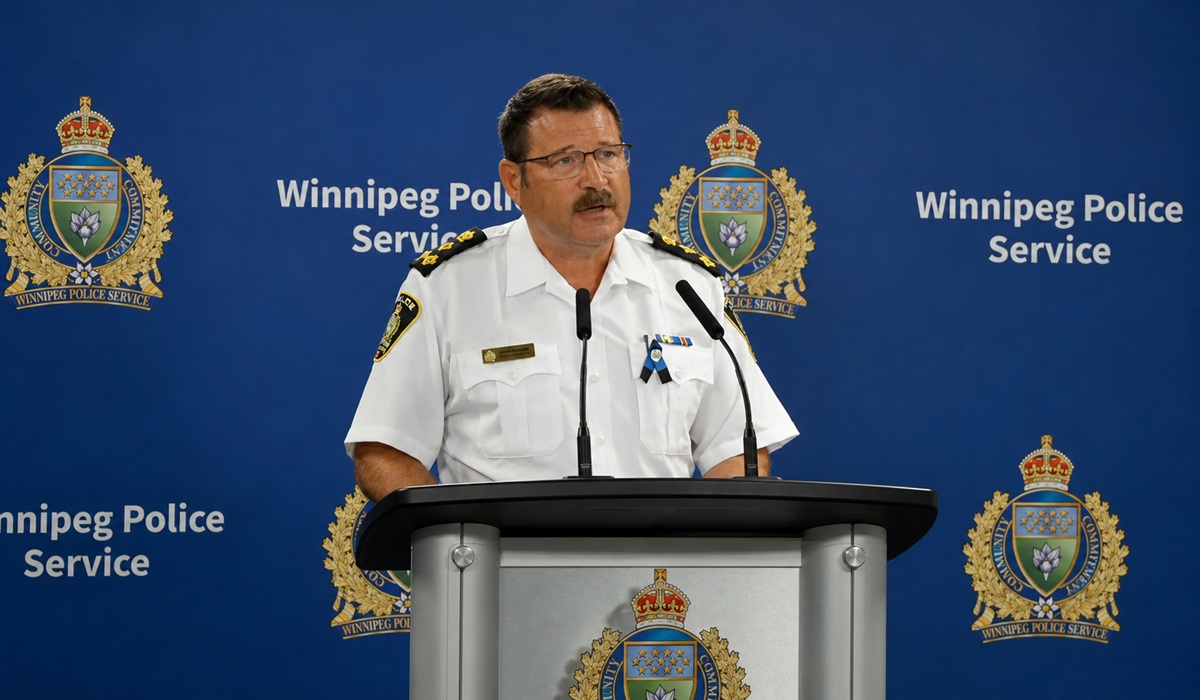
For the next 10 days, the Winnipeg Police Service will significantly increase its presence throughout the downtown core in an effort to target open drug use, drug trafficking, repeat offenders, and the growing disorder that has become commonplace in some of Winnipeg’s busiest public spaces. The operation brings together specialized units and front-line officers with the objective of disrupting criminal activity while restoring a greater sense of safety for residents, businesses, workers, and visitors.
The initiative follows months of increasing concern from downtown business owners, community organizations, and citizens who say they have watched conditions steadily deteriorate. Open drug use, public intoxication, discarded needles, aggressive behaviour, and chronic disorder have become everyday realities in many parts of the city centre. Police have acknowledged that these issues cannot simply be ignored and that a visible enforcement presence is necessary to restore public confidence.
Chief Gene Bowers emphasized that the operation is intended to address criminal behaviour and improve public safety while working alongside community partners. It represents a focused response to immediate concerns, but police themselves recognize that enforcement alone cannot solve the deeper issues of addiction, mental illness, and homelessness. Those challenges require sustained action from governments and health-care providers long after the 10-day initiative concludes.
That is precisely why today’s announcement carries significance beyond policing. The Winnipeg Police Service is responding to the symptoms of a crisis. The larger question is whether City Hall has done enough to address its underlying causes.
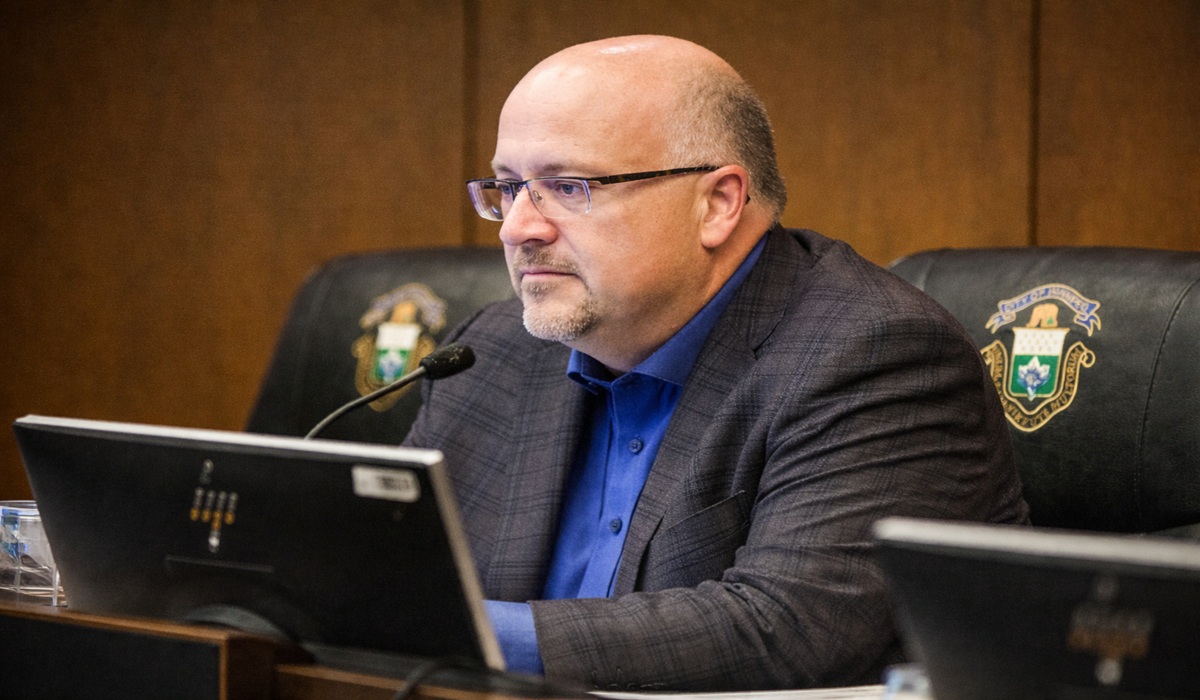
As the press conference continued, Mayor Scott Gillingham shifted much of the discussion toward highlighting his administration’s investments in homelessness, addictions, and community initiatives. While it is understandable that an incumbent mayor would want to explain what his government has done, the timing made the event feel less like a briefing on a police operation and more like a defence of his record heading into an election.
The difficulty with that message is not that investments were made. It is that governments are ultimately judged by results, not intentions. If those investments were achieving their intended outcomes, Winnipeggers should reasonably expect to see measurable improvements in public safety, homelessness, addiction, and downtown revitalization. Instead, many residents would argue that visible disorder has become more pronounced than at any point in recent memory.
The mayor himself acknowledged that he does not like what he sees when he looks outside his office window. That observation reflects what countless Winnipeggers have been saying for years. It also raises an unavoidable question. If the city’s highest elected official recognizes that downtown conditions have deteriorated to this extent during his administration, why should voters conclude that another four years will produce different results?
The police are doing exactly what the public expects them to do: responding to immediate threats, enforcing the law, and attempting to restore order. But policing has never been designed to solve homelessness, addiction, or mental illness. Officers can remove criminal activity from a street corner today, yet if treatment spaces, supportive housing, and effective intervention remain inadequate, those same challenges often return tomorrow.
That reality places today’s 10-day operation into proper perspective. It is an important and necessary enforcement initiative, but it is also a reminder that police cannot carry the weight of public policy alone. They are addressing the consequences of problems that require leadership far beyond law enforcement.
As Winnipeg approaches another municipal election, residents will likely judge today’s announcement by a simple standard. The police have stepped forward with decisive action over the next 10 days. The larger question now becomes whether City Hall can demonstrate that its long-term approach has produced the lasting results that Winnipeggers have been waiting for.
About The Author