Starvation in Sudan, But Where Is The Humanitarian Aid?
- Naomi Dela Cruz
- Africa
- Breaking News
- July 8, 2026
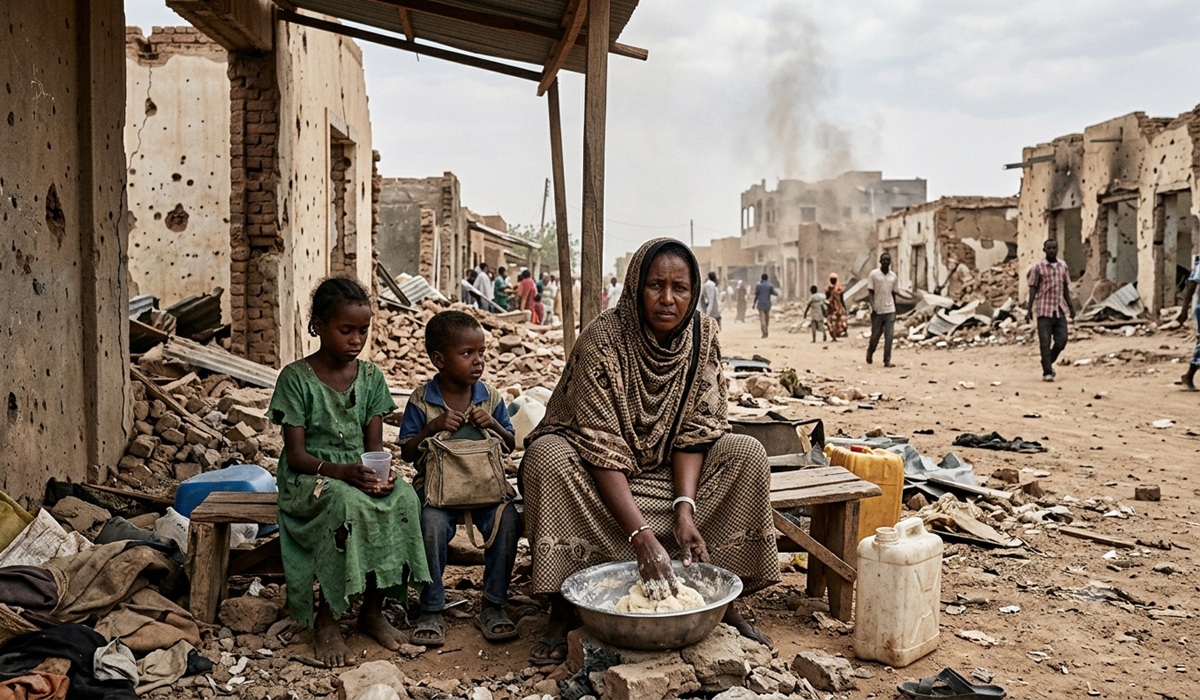
EL OBEID, Sudan — Families in this besieged North Kordofan capital are dying in drone strikes and facing severe starvation as fears mount over an imminent ground assault by the Rapid Support Forces, aid officials warned. The Norwegian Refugee Council and its partners issued warnings two weeks ago that widespread atrocities could follow a full-scale advance on the city. However, reports from the ground indicate that a humanitarian catastrophe is already unfolding for the hundreds of thousands of residents trapped inside.
“In El Obeid, families are starving while dodging indiscriminate attacks just to stay alive,” said Jan Egeland, secretary general of the NRC. “The world has been warned about this crisis and let it happen anyway.”
According to the United Nations, at least 45 civilians were killed in El Obeid over a three-week period in June. Drone strikes have repeatedly targeted vital infrastructure, including markets, schools, fueling stations, water networks and civilian vehicles. Just last week, an airborne strike struck an incoming aid convoy. Local partners report that some neighborhoods have been completely cut off from humanitarian assistance for months.
The conflict has devastated the basic necessities of daily life. The destruction of local water facilities has forced residents to queue for hours for water that is often unsafe to drink. Families are then left with agonizing choices over whether to use their limited supplies for drinking, cooking or hygiene. Humanitarian workers warn that the arrival of the rainy season raises the immediate threat of cholera and other waterborne illnesses.
Food scarcity has become so severe that many parents are mixing flour with water simply to fill their children’s stomachs. Food prices have spiraled out of reach for most residents.
While local schools remain open to provide children with a sense of routine, weekly airstrikes have forced the NRC and its partners to frequently suspend classes. The psychological toll on youth is stark; aid workers note that children now routinely re-enact shellings during playtime and can identify specific weapons solely by the sound of their detonation.
“Children go to school with no water, no electricity and no food, in buildings that cannot protect them from the strikes overhead,” Egeland said. “At times, local responders deliver aid at night, because daylight has become more dangerous than darkness.”
The targeting of fueling stations and transit routes has caused transportation costs to skyrocket. NRC staff members reported that a single liter of fuel now costs more than a teacher’s monthly salary. While some families are selling their remaining possessions to fund an escape, the vast majority cannot afford to leave.
For many of El Obeid’s residents, this is not their first displacement. The city has become a haven for tens of thousands of people who previously fled violence in Al Fasher and other devastated regions across Sudan. Now, as new displaced families continue to arrive from South and West Kordofan, they face the same horrors they initially attempted to escape.
The U.N. estimates El Obeid’s baseline population at roughly 500,000 people, including more than 80,000 officially registered displaced persons, though local sources believe the actual figure is significantly higher. The NRC is calling for an immediate cessation of strikes on civilian infrastructure, enhanced protection for aid workers, emergency funding and unfettered humanitarian access to the Kordofan region.
Despite the volatile security environment, the NRC has provided cash transfers to 13,500 people in El Obeid this year. The organization has also distributed emergency shelter kits to more than 7,500 individuals and hygiene supplies to 1,500 families, while supporting five local learning centers that provide education and psychosocial trauma support to over 5,000 children.
“The atrocities committed throughout this war leave no doubt about what is at stake,” Egeland said. “The international community must now exert maximum pressure on the warring parties and those with influence over them. History will judge not only those who committed these crimes, but also those who had the power to help prevent them and failed to act.”
About The Author