The Truth About Delivery Pizza
- Xuemei Pal
- Food
- Tiger's Eye Advisory Group - Trending News
- July 8, 2026
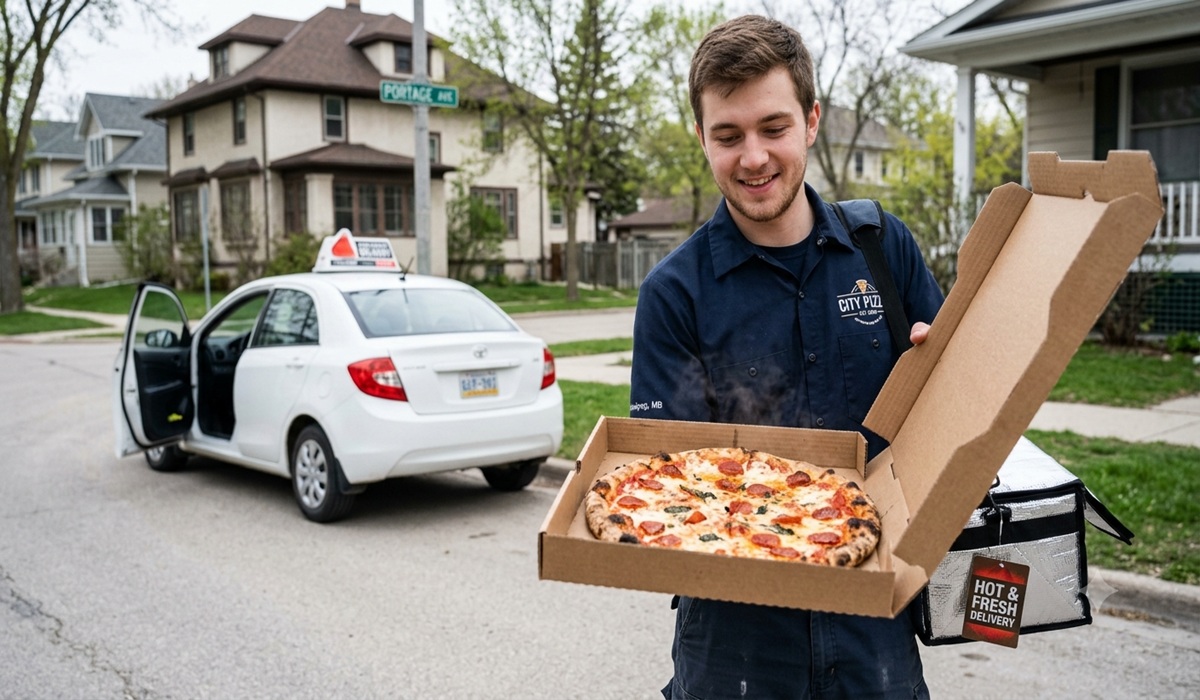
The visual of a fresh, bubbling pizza pulled straight from a wood-fired oven is a powerful marketing tool, evoking images of old-world culinary tradition, hand-stretched dough, and wholesome, simple ingredients. For generations, pizza was exactly that: an honest combination of fermented bread, crushed tomatoes, and fresh dairy. However, the realities of modern mass production, corporate supply chains, and ultra-processed food engineering have quietly dismantled this tradition. When you order a fast-food pizza, open a frozen box, or grab a slice from a convenience counter today, you are rarely participating in that classic culinary heritage. Instead, you are consuming a highly engineered, industrialized edible product designed primarily for shelf-life, profit margins, and uniform mechanical assembly. The modern commercial pizza is an illusion of real food, meticulously constructed from a complex matrix of chemicals, substitutes, and preservatives that trick the senses while bypassing traditional food standards entirely.
This illusion breaks down layer by layer, starting with the very substance that defines the product: the cheese. The gooey, stretchy layer covering a mass-produced pizza is often not cheese at all, but a chemical substitute known in the industry as a cheese analog. While real mozzarella requires fresh milk, bacterial cultures, and time to develop, a cheese analog is manufactured in an industrial blender. To produce it, manufacturers strip out expensive dairy fats and replace them with cheap, shelf-stable vegetable oils like palm or hydrogenated soybean oil. This oil is then blended with water, modified starches, and residual milk proteins such as casein. Artificial emulsifiers, stabilizing gums, and yellow dyes are thrown into the mix to mimic the exact melting profile and stretch of genuine dairy. Regulatory bodies like Food Canada do not strictly ban these substitutes, but they do regulate how they can be labeled. While a manufacturer cannot legally use the word “cheese” on a package of imitation product, fast-food operations face much looser restrictions on menus. They do not have to advertise that they are using an oil-and-starch matrix; they simply call it a “pizza topping” or use phrasing like “made with a mozzarella blend,” allowing the consumer to naturally assume they are getting real dairy.
Beneath this synthetic topping lies a crust that resembles a chemistry experiment more than a bakery item. True pizza dough requires only four ingredients: flour, water, yeast, and salt, relying on hours or days of fermentation to build flavor and structure. Industrial operations cannot afford to wait. To pump out millions of uniform crusts that can survive freezing, high-speed machinery, and months of storage, commercial operations rely on a massive cocktail of chemical dough conditioners. These crusts are injected with specialized enzymes, emulsifiers like DATEM, and reducing agents like L-cysteine to artificially relax the dough so industrial rollers can stamp it out instantly without the gluten snapping back. Preservatives like calcium propionate are added to prevent mold growth over extended periods, while chemical oxidizers shape the crumb structure instantly.
The deception continues into the sauce and the synthetic environment the food must endure. Rather than fresh, seasoned tomatoes, commercial pizza sauce is frequently constructed from heavy industrial tomato paste cut with high-fructose corn syrup, modified food starches to prevent water separation, and synthetic flavor enhancers. Furthermore, mass-market pizza is engineered to sit under intense heat lamps in convenience store warming huts or display cases for hours without drying out, spoiling, or changing color. To achieve this unnatural stability, the entire product is loaded with chemical preservatives and humectants—moisture-retaining agents—that prevent the starches from going stale and keep the vegetable oils from separating under continuous heat.
To make this assembly of oil, starch, and chemicals taste appealing, manufacturers rely heavily on extreme levels of sodium. Because the raw, synthetic ingredients lack the natural umami of real cheese and slow-fermented dough, heavy doses of salt are packed into every layer. The analog cheese contains sodium phosphates to assist with melting, the dough requires salt for machine tolerance, and the sauce is heavily salted to mask industrial bitterness. Consuming just a couple of slices of this ultra-processed food can easily exceed a person’s entire recommended daily sodium intake, creating long-term risks for cardiovascular health.
Even consumers seeking out health-conscious alternatives are running into corporate deception, particularly regarding the rise of vegan pizzas at major chains. While advertised as ethical, plant-based choices, the integrity of these options is frequently questioned. Cross-contamination on shared assembly lines and cooking conveyors is rampant, but more importantly, many ultra-processed vegan cheeses are structurally identical to the low-quality cheese analogs used to cut costs in standard pizzas—relying entirely on refined oils, starches, and synthetic flavorings that offer no genuine nutritional value.
Ultimately, the era of the standard, everyday pizza made with unadulterated, natural ingredients has largely vanished from the mainstream landscape. To find a pizza made with real cheese, genuine flour, and authentic tomato sauce, consumers are forced to look outside the corporate fast-food ecosystem. True quality is now found almost exclusively in independent, “mom and pop” pizzerias that still prioritize scratch cooking and slow-fermentation, or ironically, at wholesale giants like Costco, whose massive purchasing volume allows them to absorb the cost of using 100% real whole-milk mozzarella on their food-court pies. The modern commercial pizza industry has proven that through sophisticated food chemistry, you can strip a food item of its natural identity, replace it with a network of shelf-stable chemicals, and still convince the public that they are eating a traditional meal. It stands as a reminder of how far industrial eating has drifted from the basic act of nourishment, transforming a beloved culinary art into a triumph of synthetic engineering.
About The Author