United Nations Warns World to Prepare for Growing Climate Risks as El Niño Strengthens
- Kingston Bailey
- Tiger's Eye Advisory Group - Trending News
- July 3, 2026
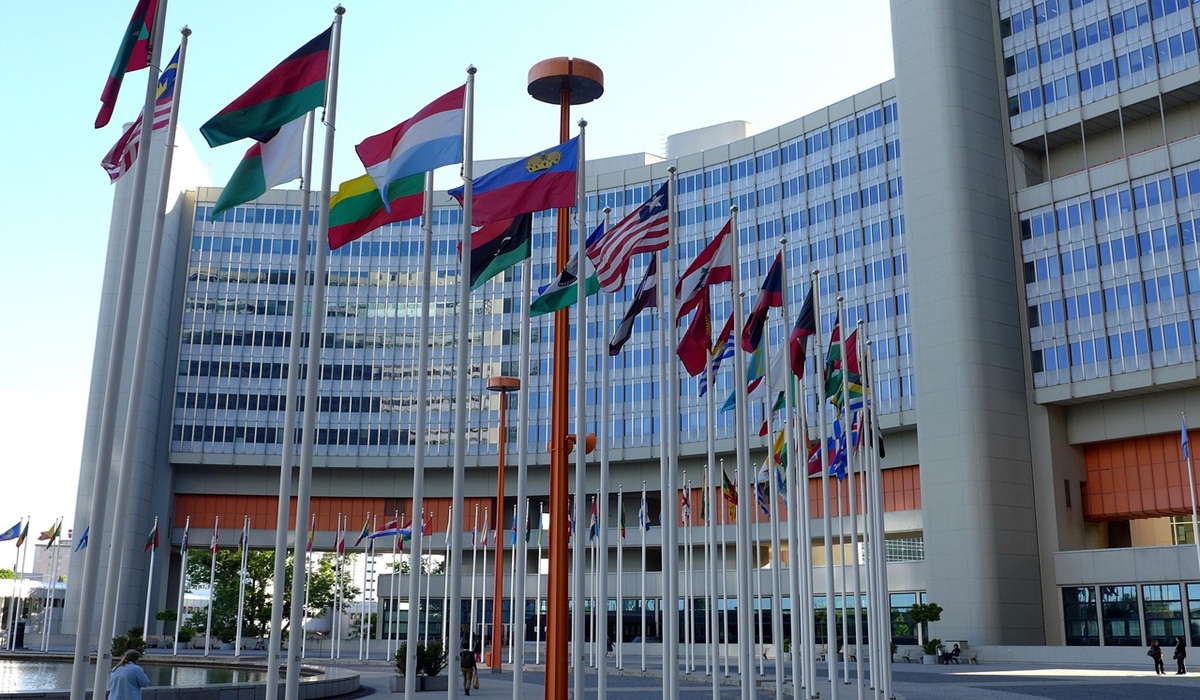
The United Nations is urging governments around the world to prepare for a period of increasingly volatile weather as climate experts warn that El Niño conditions are strengthening and could influence weather patterns well into the end of the year. While El Niño is a naturally occurring climate cycle, scientists say its effects are unfolding at a time when global temperatures remain near historic highs, increasing the potential for more severe weather in many parts of the world.
According to international meteorological experts, warming ocean temperatures in the Pacific are already beginning to alter atmospheric conditions that influence rainfall, temperatures, and storm development across multiple continents. The result could be a wide range of weather extremes, with some regions facing prolonged drought while others experience heavier rainfall, flooding, or stronger storms.
The United Nations says countries should not wait until disasters occur before taking action. Emergency preparedness, water management, agriculture, and public health systems are all being encouraged to review contingency plans in anticipation of changing weather conditions. Officials say early preparation can significantly reduce the human and economic impacts of extreme weather events.
Agricultural producers are among those watching the forecasts most closely. Changes in rainfall patterns can affect crop yields, livestock production, irrigation demands, and food supplies. In regions already struggling with water shortages, even modest reductions in rainfall could place additional pressure on farmers and communities that depend heavily on agriculture for both food and economic stability.
Conversely, other parts of the world may experience excessive rainfall capable of triggering flash floods, landslides, and damage to homes and infrastructure. Urban centres with aging drainage systems are considered particularly vulnerable during periods of intense precipitation, while rural communities often face challenges related to washed-out roads and disrupted transportation networks.
Health officials are also monitoring the potential impacts. Extended periods of extreme heat increase the risk of heat-related illnesses, particularly among older adults, children, and people with chronic medical conditions. Warmer temperatures can also contribute to deteriorating air quality and create conditions that allow certain insect-borne diseases to expand into new regions.
Humanitarian organizations say the greatest concern is for countries already dealing with conflict, displacement, or economic hardship. Communities struggling to recover from previous disasters often have fewer resources available to respond to new emergencies, making them especially vulnerable if severe weather becomes more frequent during the months ahead.
Scientists emphasize that El Niño itself is not unusual. The climate pattern has occurred naturally for thousands of years and typically develops every few years when ocean temperatures in the central and eastern Pacific Ocean become warmer than average. What concerns researchers today is that these natural climate cycles are now occurring against a backdrop of a warmer global climate, which can amplify their effects and contribute to more extreme weather outcomes.
International agencies say forecasting technology has improved significantly in recent years, allowing governments to receive earlier warnings about developing weather patterns. That additional lead time provides opportunities to strengthen emergency response plans, protect critical infrastructure, prepare healthcare systems, and inform the public before dangerous conditions develop.
While no two El Niño events produce exactly the same impacts, experts agree that preparation remains the best defence. As weather patterns continue evolving throughout the remainder of the year, governments, businesses, and communities are being encouraged to stay informed and remain ready to respond to changing conditions that could affect millions of people around the world.
About The Author