Supreme Court Backs Trump on Immigration, Reshaping the Future of Temporary Protected Status
- Ingrid Jones
- U.S.A
- June 26, 2026
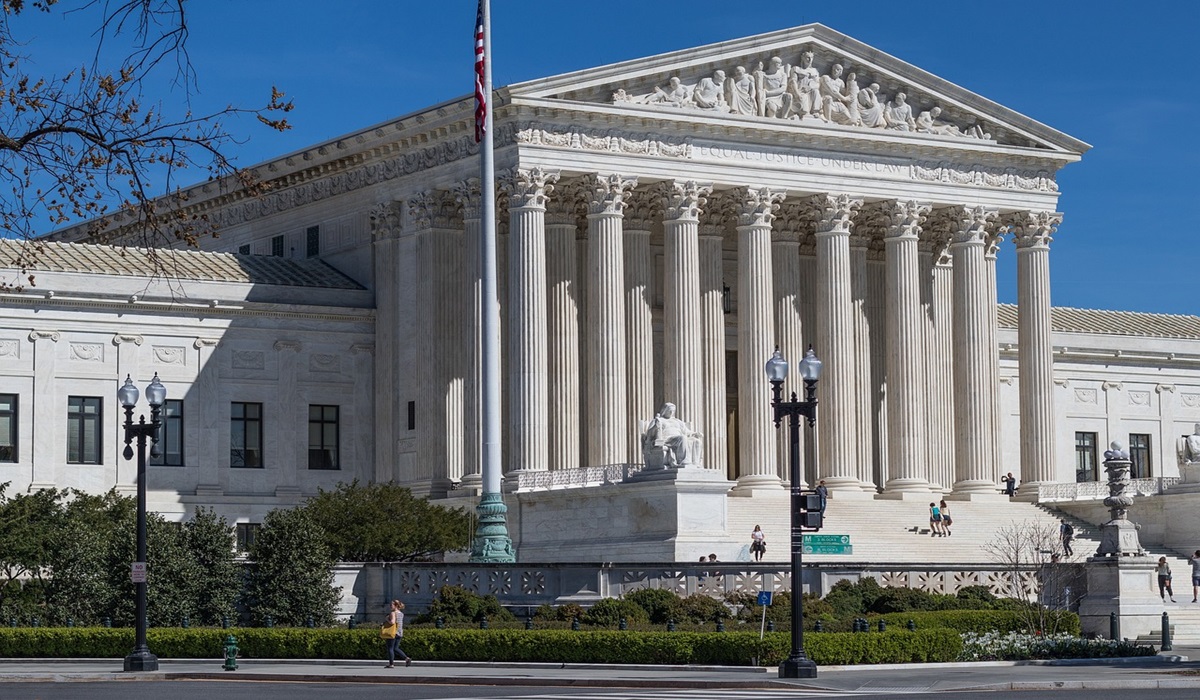
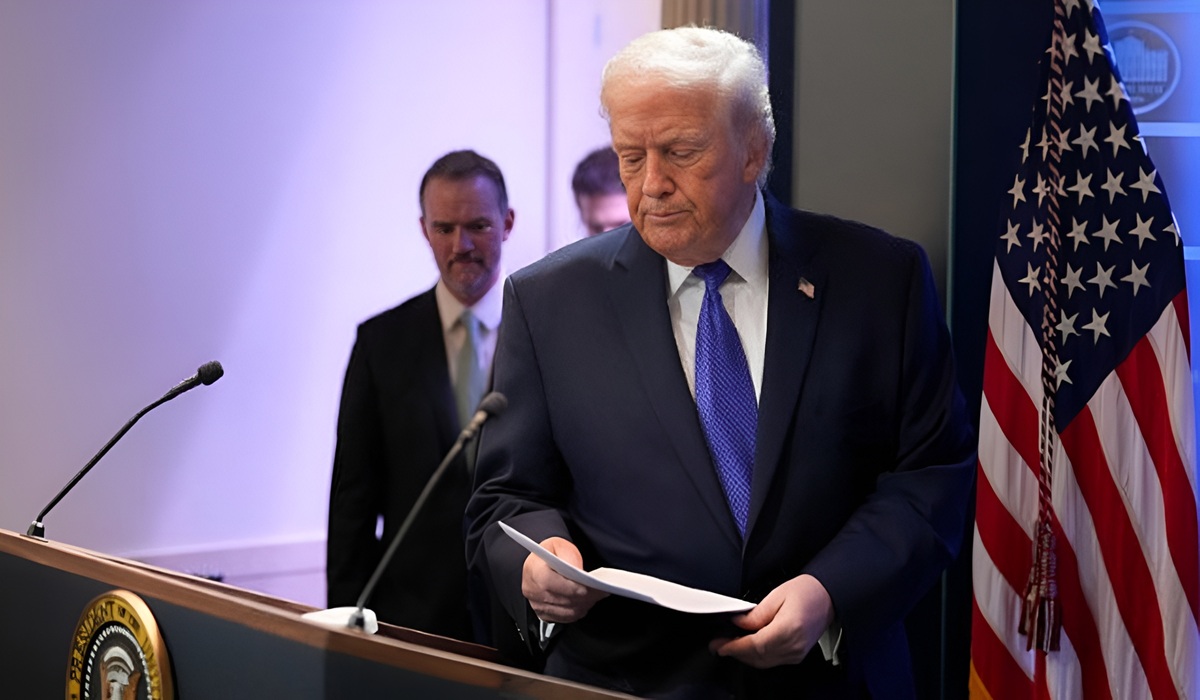
The U.S. Supreme Court has handed President Donald Trump one of the most consequential legal victories of his second term, ruling that his administration can move forward with ending Temporary Protected Status (TPS) for hundreds of thousands of immigrants from Haiti and Syria. The 6-3 decision is expected to reshape immigration policy for years to come while reigniting an emotional and deeply political debate over humanitarian protections, executive authority, and the role of the courts in reviewing immigration decisions.
The ruling centers on a program that has existed for decades but has increasingly become the focus of political and legal battles. Temporary Protected Status was created by Congress in 1990 to provide humanitarian relief to individuals whose home countries have become unsafe because of armed conflict, natural disasters, or other extraordinary circumstances. The designation allows eligible individuals already living in the United States to remain and work legally until conditions improve in their country of origin. It was never intended to serve as a pathway to permanent residency, yet many recipients have spent years, and in some cases decades, building lives, raising families, and contributing to their communities.
President Trump has consistently argued that the temporary nature of the program has gradually been transformed into something Congress never intended. Throughout both of his administrations, he has maintained that TPS should remain exactly what its name suggests: temporary. His administration contends that once conditions improve sufficiently in a designated country, the executive branch has both the authority and the responsibility to end those protections and restore the immigration system to its original statutory framework. The Supreme Court’s latest decision largely embraces that interpretation.
Writing for the majority, the Court concluded that Congress granted broad discretion to the Department of Homeland Security when deciding whether to designate or terminate Temporary Protected Status. The justices determined that those decisions are largely insulated from judicial review, meaning federal courts generally cannot second-guess the executive branch’s determination regarding whether conditions in a country continue to justify humanitarian protection. In practical terms, the ruling clears the way for the administration to proceed with terminating TPS protections for more than 350,000 Haitians and several thousand Syrians who currently live and work legally in the United States.
For the White House, the ruling represents more than a legal victory. It reinforces one of the central pillars of President Trump’s immigration agenda, which has consistently emphasized stricter enforcement of existing immigration laws, greater executive authority over border security, and limiting programs that the administration believes have expanded beyond their original purpose. Administration officials argue that immigration policy must remain predictable and faithful to the law enacted by Congress rather than evolving into permanent relief through repeated executive renewals.
Supporters of the decision believe the Court reaffirmed an important constitutional principle. They argue that immigration policy, particularly decisions involving foreign affairs and humanitarian designations, has historically been entrusted to the executive branch because those decisions require ongoing assessments of international conditions and national security. In their view, allowing judges to routinely override those determinations would place courts in the position of making foreign policy decisions traditionally reserved for elected officials.
Critics, however, see the decision as one with potentially devastating humanitarian consequences. Advocacy organizations point out that many TPS recipients have lived legally in the United States for years, have American-born children, own homes, pay taxes, and have become integral members of their communities. They argue that conditions in both Haiti and Syria remain unstable and dangerous, making large-scale returns both difficult and potentially life-threatening. Human rights organizations also warn that today’s decision could encourage future administrations to terminate TPS protections for additional countries with far less judicial oversight than previously existed.
The broader implications extend well beyond Haiti and Syria. The Court’s reasoning establishes a legal framework that could influence future decisions involving Temporary Protected Status for numerous other countries currently covered by the program. Immigration attorneys expect the ruling to become one of the most frequently cited precedents whenever future administrations seek to expand or terminate humanitarian protections. While each country’s designation will still depend on its individual circumstances, today’s decision significantly narrows the legal avenues available to challenge those determinations.
The decision also highlights the increasingly important role the Supreme Court has assumed in defining the limits of executive authority. Over the past several years, immigration has become one of the Court’s most active areas of constitutional interpretation. Questions involving asylum, deportation, border enforcement, executive discretion, and humanitarian protections have repeatedly reached the nation’s highest court, often resulting in closely divided decisions that carry enormous political and human consequences.
Politics, of course, remains impossible to separate from immigration. For Republicans, stronger enforcement and a clearer distinction between temporary protection and permanent residency have become central campaign issues. Many conservative lawmakers argue that restoring confidence in the immigration system requires strict adherence to the statutory language passed by Congress rather than allowing temporary programs to evolve indefinitely through executive renewals.
Democrats and immigrant advocacy groups frame the issue differently. They argue that humanitarian protections exist precisely because conditions in many parts of the world can remain unstable for prolonged periods. They contend that ending legal protections for individuals who have built lives in the United States without creating realistic pathways forward creates unnecessary hardship while doing little to solve broader immigration challenges. Many also argue that Congress, rather than the courts or the executive branch, should modernize immigration laws to address long-term TPS recipients whose circumstances have fundamentally changed over time.
Another significant aspect of the ruling is what it says about judicial restraint. Rather than determining whether Haiti or Syria are objectively safe today, the majority focused on who has the authority to make that judgment. In doing so, the Court emphasized that its role is not to substitute its policy preferences for those of elected officials but to interpret the limits established by Congress. That distinction may prove just as important as the outcome itself because it reinforces the principle that not every controversial executive decision automatically becomes a question for the judiciary to resolve.
The practical effects will not be immediate for every TPS holder. Administrative procedures, individual immigration cases, and possible legislative responses could affect how quickly changes take place. Nevertheless, the ruling creates substantial uncertainty for hundreds of thousands of families who now face questions about their legal status, employment, and future in the United States. Immigration attorneys across the country are expected to see a significant increase in consultations as affected individuals explore any remaining legal options that may be available to them.
The decision also places renewed attention on Congress. While the Supreme Court clarified the executive branch’s authority under existing law, lawmakers retain the power to amend immigration statutes if they choose to create new pathways or revise the Temporary Protected Status program itself. Whether sufficient bipartisan support exists for such reforms remains uncertain, particularly in an election environment where immigration continues to be one of the country’s most polarizing issues.
Ultimately, this case represents far more than a dispute over one immigration program. It reflects an ongoing national conversation about the balance between compassion and enforcement, executive authority and judicial oversight, and temporary relief versus permanent immigration reform. Those debates are unlikely to disappear after this ruling. If anything, the Supreme Court has ensured they will become even more prominent as lawmakers, advocates, and voters continue to wrestle with one of the defining public policy challenges of modern America.
For President Trump, the ruling marks another major victory in his effort to reshape federal immigration policy through executive action backed by judicial affirmation. For those affected by the decision, however, the outcome brings profound uncertainty about what comes next. The legal battle may have reached an important milestone, but the broader political and humanitarian debate over immigration in the United States is far from over.
About The Author