Cold storage operations demand more from every part of a facility. Low temperatures affect machines, packaging, employees, product flow, and maintenance schedules. A palletizer that runs well in a standard warehouse can struggle when moisture, condensation, frost, cold air, and bulky protective gear enter the equation. That’s why choosing palletizing equipment for cold storage requires a careful look at the full environment, not just the machine’s speed or footprint.
The right equipment can protect product quality, reduce manual strain, and keep pallets moving through demanding shifts. The wrong equipment can slow production, create maintenance headaches, damage packaging, or force workers to spend too much time in harsh conditions. Cold storage managers need systems that handle the product, the climate, and the pace of the operation without constant adjustment.
A strong decision starts with a clear understanding of your products. Frozen foods, refrigerated beverages, pharmaceuticals, dairy products, and packaged produce all move through cold storage differently. Each product has its own weight, shape, stacking pattern, packaging strength, and handling limits. A facility handling uniform cases may need a different palletizer than one handling mixed loads, fragile cartons, or slippery packaging.
Packaging deserves close attention because cold environments can alter how materials behave. Cardboard can soften when moisture enters. Plastic wrap can stiffen. Labels can loosen. Boxes can deform if the palletizer applies excessive pressure. When you choose equipment, look at how the system grips, turns, lifts, and places each item. Gentle handling can make a major difference when frozen or refrigerated packaging undergoes repeated movement.
Production volume also shapes equipment choices. A facility with steady, predictable throughput may benefit from a conventional palletizer that handles consistent cases at a high rate. A facility with changing order profiles may need robotic palletizing equipment that can adjust patterns more easily. Speed matters, but useful speed comes from reliable performance under real operating conditions. A fast machine that stops often won’t improve productivity.
Cold storage teams should also consider labor. Manual palletizing in cold rooms can drain energy quickly. Workers wear gloves, jackets, boots, and other gear that restricts movement and grip. Repeated lifting in low temperatures can increase fatigue, especially during long shifts. Palletizing equipment can reduce physical strain, but only when the system fits the workflow. Operators still need safe access, clear controls, and enough space to move around the machine.
The challenges of palletizing in cold storage often stem from the environment around the equipment. Moisture can enter through dock doors, washdown areas, temperature transitions, and product movement. That moisture can accumulate on sensors, belts, frames, electrical components, and product surfaces. Equipment used in cold storage should include components that tolerate moisture, low temperatures, and frequent cleaning. Standard warehouse parts may cause problems when frost or condensation appears.
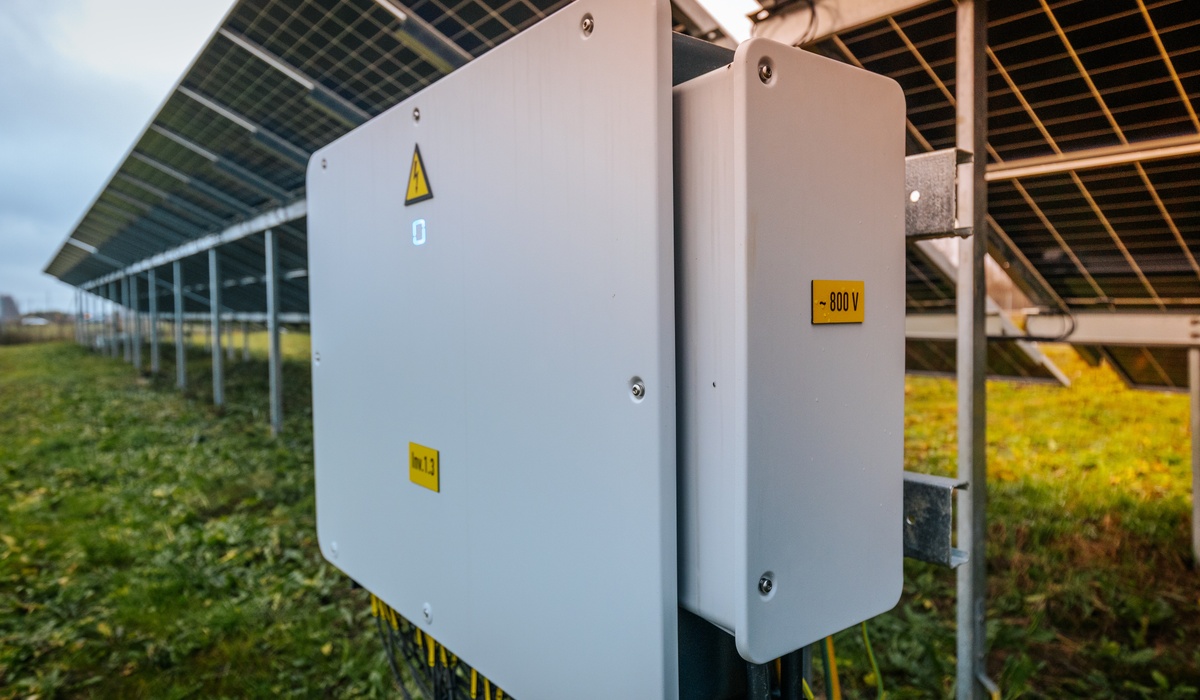
Material selection is critical to long-term performance. Stainless steel, coated components, sealed bearings, cold-rated lubricants, and protected electrical enclosures can help equipment withstand demanding conditions. Motors, sensors, pneumatics, and controls should match the facility’s temperature range. A palletizer doesn’t need to look complicated to require serious engineering. Cold storage quickly exposes weak components.
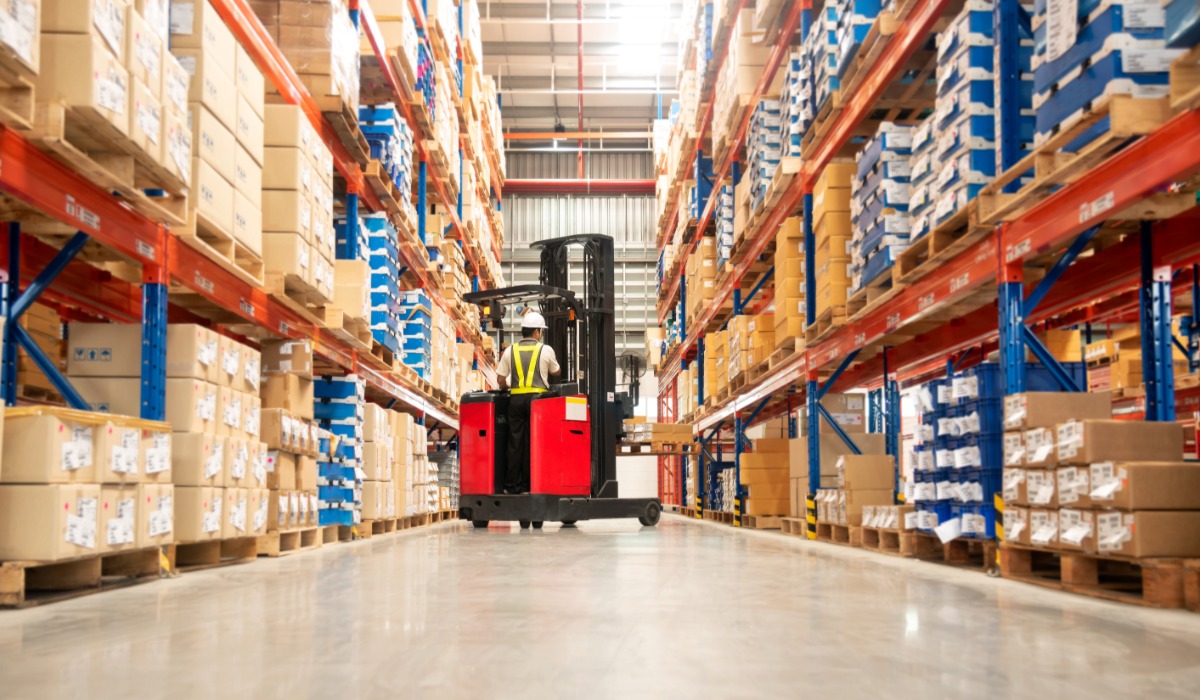
Facility layout can narrow or expand your options. Some cold rooms have limited floor space, low ceilings, narrow aisles, or awkward transitions among processing, packing, storage, and shipping. Before comparing equipment models, map the product path from the end of the line to the pallet staging area. A palletizer should support that path rather than forcing extra turns, manual touches, or forklift congestion. Every unnecessary movement adds time and risk.
Pallet patterns also require careful planning. Cold storage pallets often pass through multiple zones, including forklifts, racks, trucks, and customer handling points. A stable pallet protects the product and improves transport efficiency. The equipment should build loads that match your case dimensions, pallet type, stretch-wrapping process, storage racks, and shipping requirements. Poor pallet patterns can lead to crushed cases, leaning loads, and wasted space.
Automation flexibility can deliver real value for facilities handling multiple SKUs. Robotic palletizers can change patterns through programming, helping teams manage varied products without major mechanical adjustments. Conventional palletizers can offer excellent reliability on high-volume, consistent lines. Neither option fits every situation. The best choice depends on your product mix, available labor, maintenance capabilities, and long-term growth plans.
Controls and usability also affect daily performance. Operators need interfaces that make sense during busy shifts. Clear alerts, easy recipe changes, and straightforward troubleshooting steps can reduce downtime. Cold storage teams don’t have time to wrestle with confusing screens while product waits on the line. Choose equipment with controls that match your team’s skill level and the complexity of your operation.
Maintenance access should carry as much weight as production speed. A palletizer that is difficult to service can cause costly downtime, especially when technicians must work inside cold rooms. Look for equipment that provides safe access to belts, sensors, motors, grippers, guards, and lubrication points. Maintenance teams should review the design before purchase, not after installation. Their input can reveal issues that a sales presentation may overlook.
Energy use also deserves attention. Cold storage facilities already have high energy demands, and equipment that produces excess heat or consumes power inefficiently can add operational strain. Modern palletizing systems can support efficient movement, but managers should review motor sizing, standby modes, compressed-air needs, and how the system interacts with refrigerated zones. A smart design can support productivity without adding unnecessary load to the facility.
Cleaning requirements can shape equipment selection, especially in food and beverage environments. Palletizing equipment may sit near production lines, packaging areas, or refrigerated docks where sanitation routines happen often. Open designs, cleanable surfaces, protected wiring, and corrosion-resistant materials can simplify those routines. If the team needs to clean around hidden corners or delicate components, the system may lose uptime and increase labor demands.
Safety needs a practical review before installation. Guarding, light curtains, emergency stops, controlled access points, and clear operator zones all help protect workers. Cold storage introduces additional concerns because floors can become slick, visibility can drop, and workers may move more slowly in heavy gear. Equipment layout should give employees enough room to work safely without stepping into forklift paths or cramped corners.
You should also plan beyond today’s needs. A facility may add SKUs, increase output, change packaging, or adjust shipping requirements within a few years. Choosing palletizing equipment with some flexibility can help the operation adapt without a full replacement. Ask how the system accommodates new case sizes, updated patterns, added lines, or expanded controls. A cheaper system can become expensive if it blocks growth.
Vendor experience matters in cold storage projects. Teams that understand low-temperature environments can anticipate problems with sensors, lubricants, moisture, and access. They can also help you test products, validate patterns, and plan installation around production schedules. A strong partner should ask detailed questions about your facility before recommending a system. If a vendor treats cold storage like a standard warehouse, keep looking.
Testing can prevent costly surprises. Before you commit, run sample products through the proposed system or review a detailed simulation. Watch how the equipment handles cold, slippery, heavy, or fragile packages. Check pallet stability after wrapping and movement. Ask operators and maintenance staff for feedback. A system should prove itself with real products, not just ideal conditions.
Choosing palletizing equipment for cold storage comes down to fit. The machine must fit the product, the temperature, the layout, the workforce, the maintenance plan, and the long-term goals of the facility. A strong system does more than stack cases. It supports safer work, steady output, cleaner operations, and better product movement from the line to the dock.
Cold storage leaves little room for equipment that almost works. Managers need palletizing systems built for the environment they’ll face every day. When you evaluate product handling, component durability, layout, safety, controls, cleaning, and future growth together, you can choose equipment that performs with confidence. That decision can help your facility move products faster, protect workers, and keep cold chain operations running with the consistency customers expect.
About The Author