World’s Most Neglected Humanitarian Crises Continue to Deepen as Millions Are Left Behind
- Ingrid Jones
- Breaking News
- June 4, 2026
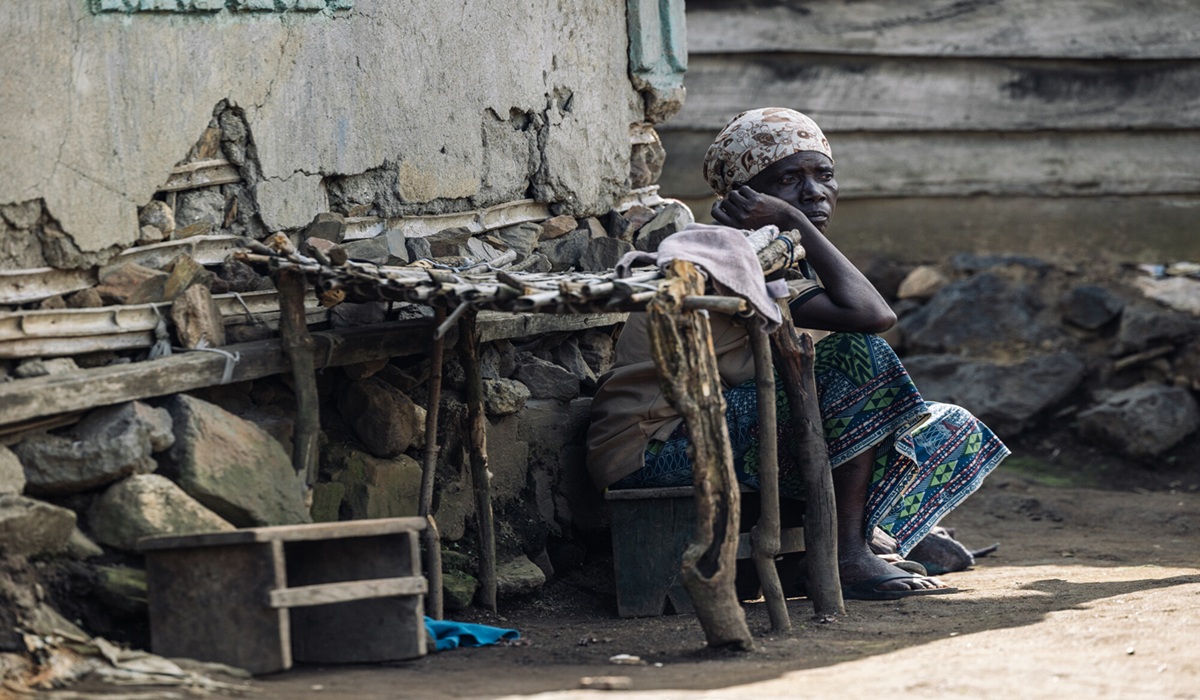
A decade after humanitarian organizations first began sounding the alarm, some of the world’s largest displacement crises continue to receive only a fraction of the attention, funding, and political action required to address the suffering of millions of people. A newly released international assessment has once again placed the Democratic Republic of Congo among the world’s most neglected humanitarian emergencies, marking the tenth consecutive year the country has appeared on the list. The finding highlights what aid organizations describe as a growing pattern of global indifference toward prolonged crises that fail to attract sustained political or media attention.
The report paints a troubling picture of a humanitarian system struggling to keep pace with growing needs while facing shrinking financial support. In the Democratic Republic of Congo alone, more than 21 million people require humanitarian assistance, yet only a small portion of the funding requested to support relief efforts was provided during the past year. Humanitarian organizations warn that the consequences are being felt in every aspect of daily life, from access to food and shelter to healthcare and protection services.
The situation is particularly concerning because the crisis in Congo is not new. Entire generations have now grown up amid conflict, displacement, insecurity, and chronic instability. Communities that have endured years of violence continue to face repeated displacement while international attention shifts from one global emergency to another. Humanitarian officials argue that the issue is no longer a lack of information. The warning signs have been visible for years. What is lacking, they say, is the political will to prioritize populations affected by crises that carry little geopolitical significance for major donor nations.
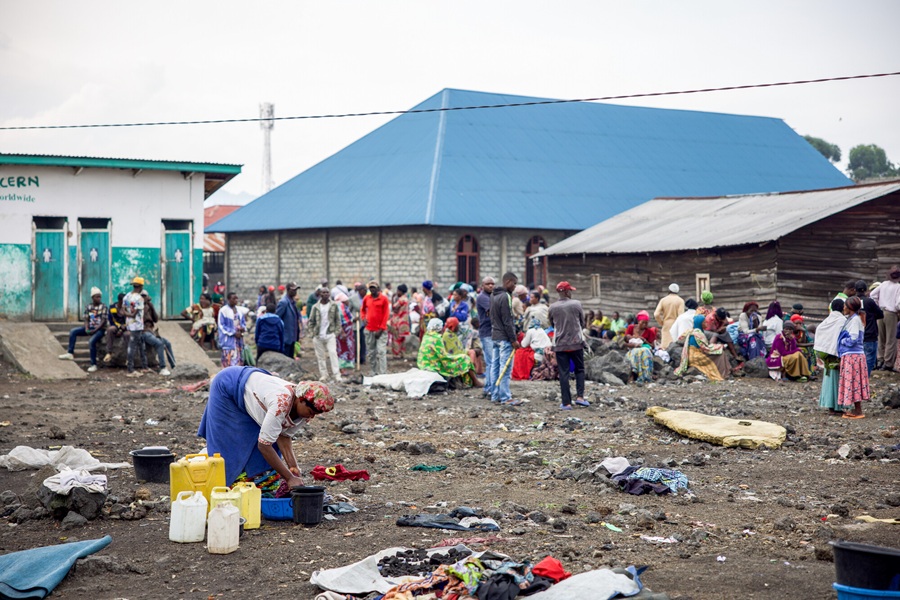
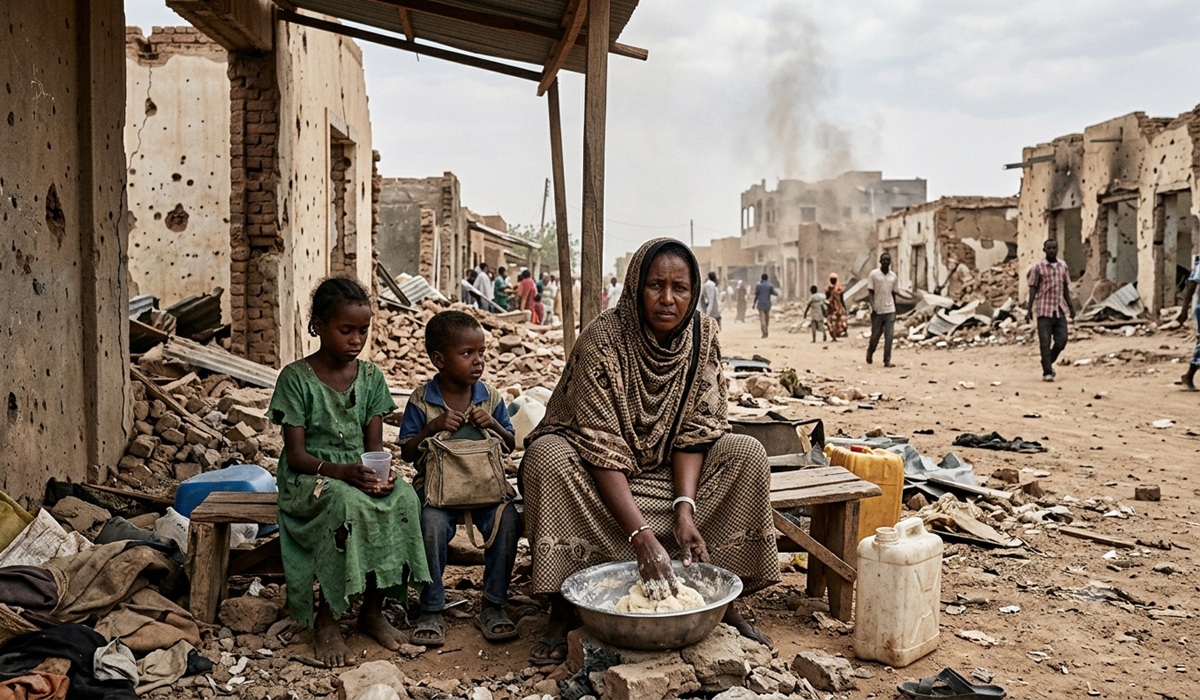
The report identifies Sudan as the world’s most neglected displacement crisis in 2025. The country has experienced one of the largest population displacements on the planet, with more than nine million people displaced within its borders and millions more fleeing to neighbouring countries. At the same time, widespread hunger continues to spread across large portions of the country, creating what many humanitarian experts describe as one of the most severe humanitarian emergencies of modern times.
Despite the scale of the suffering, international support has failed to keep pace. Aid organizations say the gap between humanitarian needs and available funding continues to widen, leaving vulnerable populations increasingly dependent on overstretched local communities and volunteer networks.
What makes the findings especially alarming is the consistency of the pattern. Countries such as Cameroon, Nigeria, Mali, Burkina Faso, and the Central African Republic have repeatedly appeared on neglected crisis lists over the past decade. Rather than isolated emergencies slipping through the cracks, humanitarian observers say the data reveals a systemic failure to respond adequately to some of the world’s longest-running displacement crises.
Many of these emergencies are concentrated across Africa, where conflict, political instability, climate pressures, and economic challenges frequently combine to create prolonged humanitarian disasters. Yet many receive only limited media coverage compared with conflicts and crises occurring elsewhere in the world.
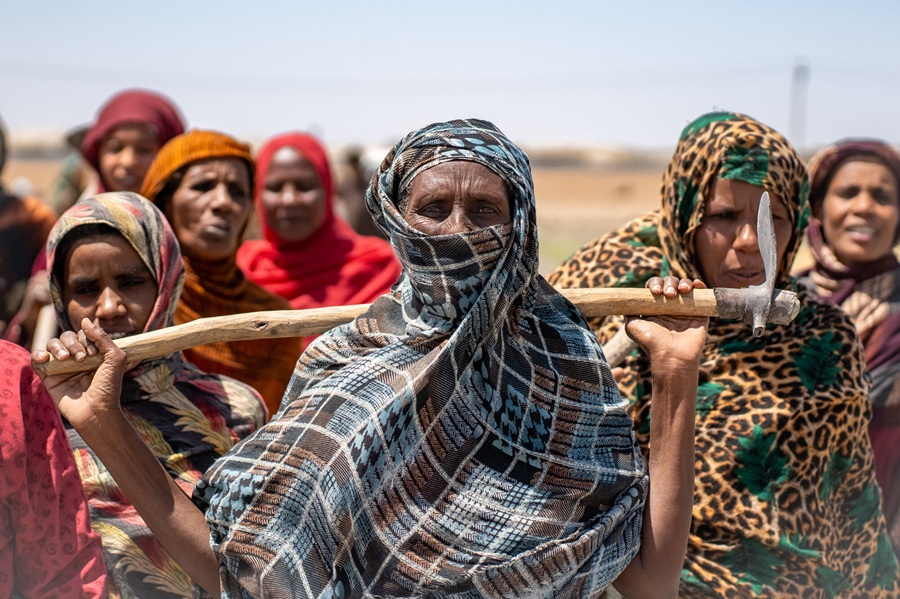
The report evaluates crises using several indicators, including media attention, humanitarian funding levels, political engagement, and the scale of displacement. The goal is not simply to measure suffering but to identify situations where the international response falls dramatically short of what conditions on the ground require.
Aid agencies warn that the consequences of neglect often extend far beyond humanitarian concerns. Long-term displacement can contribute to regional instability, economic disruption, public health challenges, and increased migration pressures. In many cases, unresolved crises become more expensive and more difficult to address the longer they are allowed to persist.
The Democratic Republic of Congo offers a clear example. Years of conflict and displacement have left communities vulnerable to a range of additional threats, including disease outbreaks and food insecurity. Humanitarian organizations note that ongoing health concerns are now unfolding in areas already weakened by years of underinvestment and limited international support.
At the same time, global humanitarian funding is facing unprecedented pressure. International aid appeals continue to grow as conflicts, natural disasters, and displacement crises expand around the world. Yet donor contributions have not kept pace. The result is a widening funding gap that forces aid agencies to scale back operations, reduce services, and make difficult decisions about which communities receive assistance.
Several major donor countries have recently announced significant reductions to foreign aid spending. Those cuts have raised concerns throughout the humanitarian sector, particularly for crises that already struggle to attract attention and resources. The report argues that humanitarian assistance should be guided by need rather than geopolitical interests. Organizations involved in relief efforts are urging governments, international institutions, and media organizations to devote greater attention to crises that have become effectively invisible despite affecting millions of people.
Humanitarian leaders warn that ignoring today’s emergencies will not make them disappear. Instead, they caution that delayed action often leads to larger, more complex, and more expensive crises in the future. As global attention continues to focus on major geopolitical flashpoints, millions of displaced people living in forgotten conflicts remain caught in a cycle of uncertainty. For those families, the challenge is not simply surviving conflict or displacement. It is surviving a world that increasingly seems to have stopped paying attention.
About The Author