More Sports, Less Crime: Woodstock Unveils Ambitious Plan to Make Youth Recreation Affordable Across Winnipeg
- Contributor
- Canada
- May 29, 2026
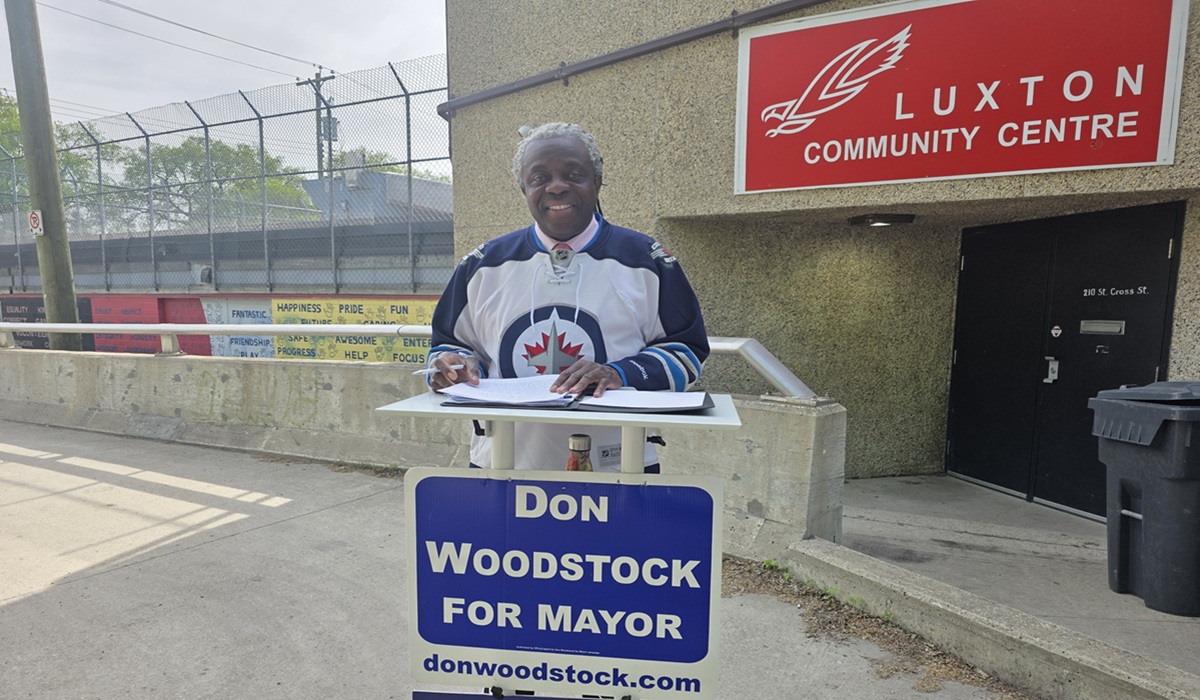
A bold new vision aimed at transforming youth sports and recreation in Winnipeg is being proposed by mayoral candidate Don Woodstock, and if implemented, it could significantly change how thousands of families access organized sports across the city. The proposal, known as the Affordable Sports, Recreation & Youth Opportunity Strategy, is built around a simple but powerful concept: when more young people have access to sports and structured activities, communities become safer, healthier, and more connected.
For many Winnipeg families, the cost of youth sports has become a growing challenge. Registration fees, equipment costs, ice rentals, uniforms, transportation, and other expenses can quickly place organized recreation out of reach. Woodstock’s proposal seeks to directly address those barriers by creating a Winnipeg Youth Sports & Recreation Fund designed to gradually eliminate registration fees for youth sports and recreation programs throughout the city.
The initiative would begin with a proposed $2.5 million municipal investment and would pursue partnerships with corporations, charitable organizations, foundations, and other levels of government. The long-term goal is to grow the fund into a $20 million annual initiative capable of supporting thousands of young people across Winnipeg. It is an ambitious target, but one supporters believe could have a lasting impact on youth participation rates and community well-being.
At the heart of the strategy is the belief that youth sports should be viewed not simply as recreation, but as an investment in public safety, community development, and future leadership. Every child participating in hockey, basketball, soccer, baseball, volleyball, martial arts, or other structured activities is spending time in positive environments that build confidence, teamwork, discipline, and social connections. Those benefits often extend well beyond the playing field and into classrooms, workplaces, and communities.
One of the most immediately noticeable aspects of the proposal is a plan to eliminate rink rental fees that are often passed on to parents through youth hockey registration costs. Because many of Winnipeg’s arenas are publicly owned, Woodstock argues that families should not be absorbing those expenses simply to allow their children to participate in organized sports. The proposal suggests that removing those costs could provide immediate financial relief to many households struggling with rising living expenses.
The strategy also introduces several innovative ideas intended to reduce the overall cost of participation. These include city-wide bulk purchasing of jerseys and equipment, expanded skate sharpening services at community rinks, and perhaps most notably, a Winnipeg-made affordable hockey stick initiative. The proposal envisions a partnership involving Red River College Polytechnic and the Carpenters Union to produce quality hockey sticks locally, creating both employment and training opportunities while lowering equipment costs for young athletes.
Beyond traditional team sports, the proposal recognizes that not every young person connects with hockey, soccer, or basketball. As a result, the strategy calls for repurposing underused and vacant buildings into recreation hubs focused on activities such as boxing, wrestling, judo, taekwondo, mixed martial arts, and other disciplines. The goal is to create safe, supervised environments where young people can develop skills, build confidence, and form positive relationships with coaches, mentors, and peers.
For Winnipeg, the proposal represents more than another recreation announcement. It reflects a growing conversation about prevention rather than reaction. Many community advocates have long argued that investments in youth opportunities can help reduce future pressures on policing, social services, and the justice system by creating pathways toward success before problems emerge.
Whether voters ultimately support the proposal remains to be seen, but one thing is clear: the conversation about youth recreation in Winnipeg is changing. As affordability challenges continue to impact families across the city, initiatives that focus on removing barriers and expanding opportunity are likely to become an increasingly important part of Winnipeg’s future. For many parents and young athletes, the prospect of making sports more accessible may represent one of the most significant community investments proposed in years.
About The Author