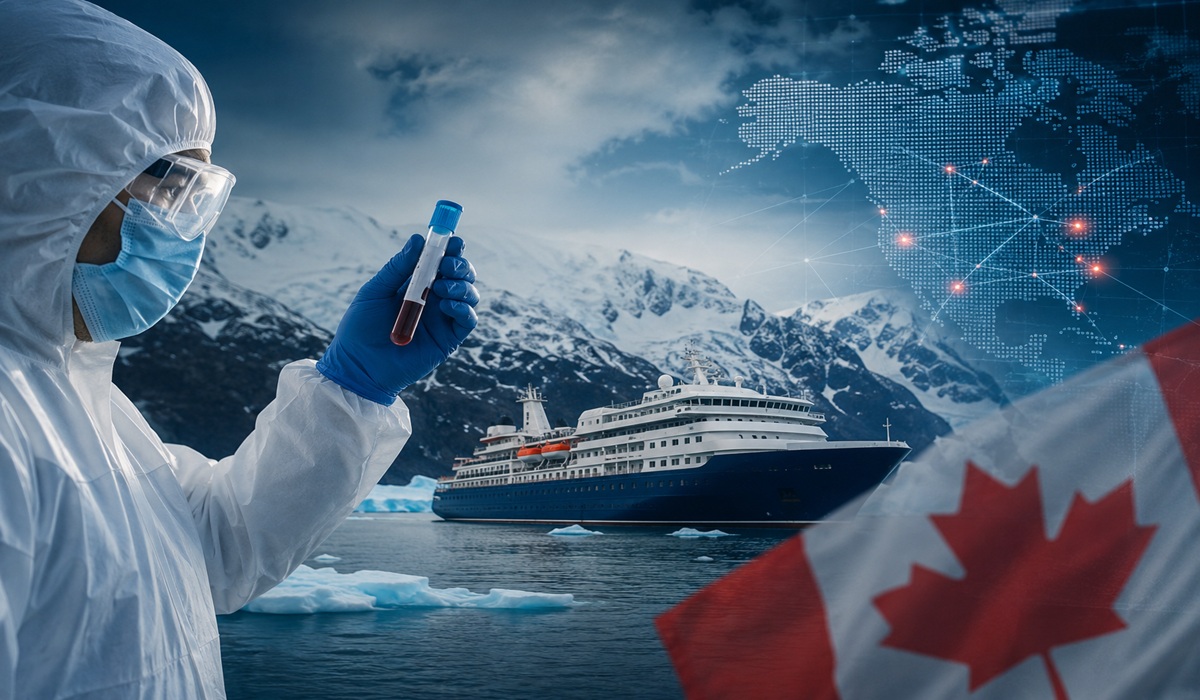
Arctic Sovereignty Debate Intensifies as Northern Shipping Traffic Climbs
- Naomi Dela Cruz
- Canada
- May 19, 2026
A growing dispute over northern shipping routes is quietly reshaping political discussions in Ottawa, military planning circles, and Indigenous communities scattered across the far north. While much of the global attention remains focused on inflation and trade tensions, officials are increasingly concerned about what melting sea ice could mean for economic access, environmental damage, and national sovereignty in Arctic waters.
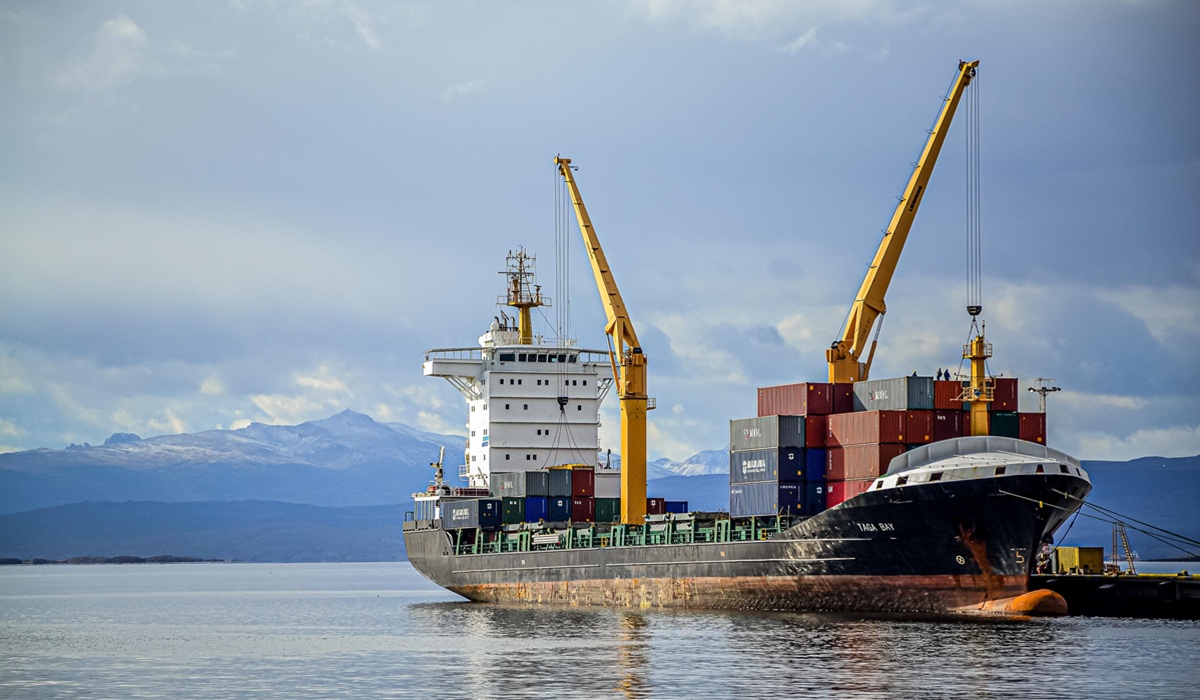
Cargo movement through northern passages has steadily increased over the past several summers as warmer conditions extend navigation windows. International shipping firms are studying routes that could eventually shave thousands of kilometres off traditional Europe-to-Asia journeys. That possibility has sparked renewed concern among Canadian defence analysts who argue the country still lacks the infrastructure needed to fully monitor activity in the region.
Remote communities have already started noticing changes. Hunters in Nunavut and the Northwest Territories have reported unpredictable ice conditions, shifting wildlife patterns, and stronger coastal erosion than what many elders remember from previous decades. Several Indigenous leaders are now pushing federal officials to involve northern communities directly in any future shipping regulations, arguing decisions cannot continue being made almost entirely from southern boardrooms.
Military planners are also watching closely. Recent investments in Arctic patrol vessels, surveillance systems, and northern training exercises reflect growing concern that global powers may compete more aggressively for influence as resource exploration expands. Analysts warn that untapped deposits of rare earth minerals, natural gas, and oil beneath Arctic territory could become a major geopolitical flashpoint within the next two decades.
Environmental organizations, meanwhile, fear the region may be headed toward irreversible damage long before economic promises materialize. Scientists studying the fragile ecosystem say even a moderate increase in marine traffic raises the risk of fuel spills, underwater noise disruption, and contamination affecting fish populations relied upon by northern residents.
What makes the debate increasingly difficult is that all sides believe they are protecting the future. Economic advocates see opportunity in trade expansion and resource development. Defence officials view the Arctic as a strategic priority requiring stronger national presence. Indigenous communities want meaningful authority over decisions affecting their land and water. Environmental groups believe industrial growth could permanently alter one of the planet’s most delicate ecosystems.
That collision of interests is beginning to define a new political reality in the North. For decades, the region often sat at the edge of public discussion unless military exercises or climate reports briefly captured headlines. Now, northern policy is rapidly moving toward the centre of national strategy discussions as countries around the world recognize the Arctic may become one of the most contested economic zones of the century.
About The Author