Scientists Alarmed by Rapid Changes Beneath Antarctic Ice Shelves
- Ingrid Jones
- Tiger's Eye Advisory Group - Trending News
- May 19, 2026
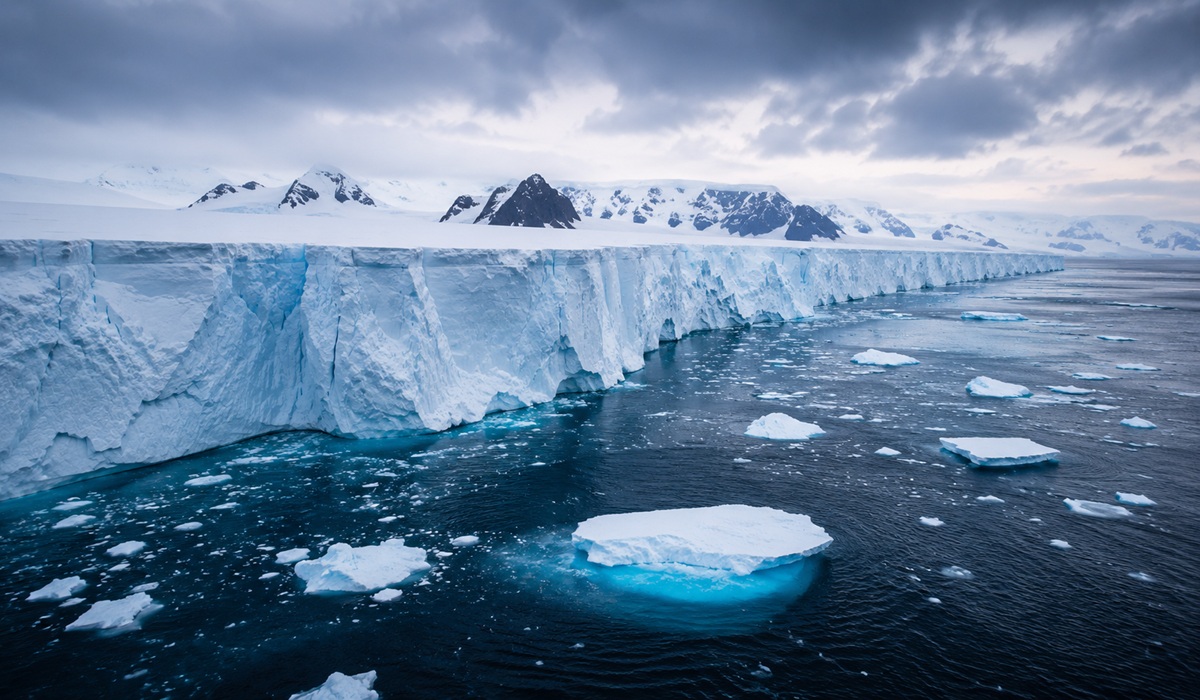
Researchers studying the southern polar region are raising concerns after new underwater scans revealed faster-than-expected melting beneath several massive ice shelves. The discoveries are adding urgency to international climate discussions as scientists attempt to understand how quickly sea levels could rise if current trends continue.
What has particularly unsettled researchers is where the melting is occurring. Instead of primarily disappearing from the surface, large sections of ice are thinning from underneath as warmer ocean water pushes deeper into areas previously shielded by colder currents. Some glaciologists describe the process as comparable to weakening the foundation beneath a building while the structure above still appears stable.
Recent expeditions using autonomous underwater vehicles have uncovered channels carved beneath sections of floating ice that stretch for kilometres. These hidden cavities allow warmer water to circulate further inland, accelerating erosion at rates that many earlier climate models underestimated.
Several international teams are now racing to gather updated measurements before the next southern winter locks portions of the region beneath heavy sea ice once again. The challenge is immense. Harsh weather conditions, shifting ice formations, and extreme isolation make long-term monitoring extraordinarily difficult and expensive.
Scientists say the greatest concern involves so-called “gateway glaciers,” which help slow the movement of enormous inland ice masses toward the ocean. If those natural barriers weaken substantially, glaciers farther inland could begin flowing more rapidly into surrounding seas, contributing to global sea level increases over time.
The consequences would not remain confined to remote polar landscapes. Coastal cities around the world are already examining how future sea level rise could affect ports, flood protection systems, insurance markets, and infrastructure planning. Engineers in several countries have quietly begun reevaluating long-term coastal defence projects because of revised projections tied to polar ice loss.
Despite the growing concern, researchers caution against dramatic apocalyptic predictions. Ice sheet behaviour remains extraordinarily complex, and forecasting exact timelines is still difficult. Some regions are changing faster than expected while others remain relatively stable for now.
What is becoming harder to dismiss, however, is the pace of transformation underway beneath the frozen surface. Scientists who have spent decades studying the continent increasingly describe the current period as one of the most significant shifts ever observed in the modern era of polar research.
For many researchers returning from recent expeditions, the most striking realization is no longer whether major changes are happening, but how quickly those changes appear to be accelerating beneath one of the coldest and most isolated places on Earth.
About The Author