Canada Moves Toward Massive Energy Expansion Amid Economic Pressure
- Ingrid Jones
- Canada
- May 15, 2026
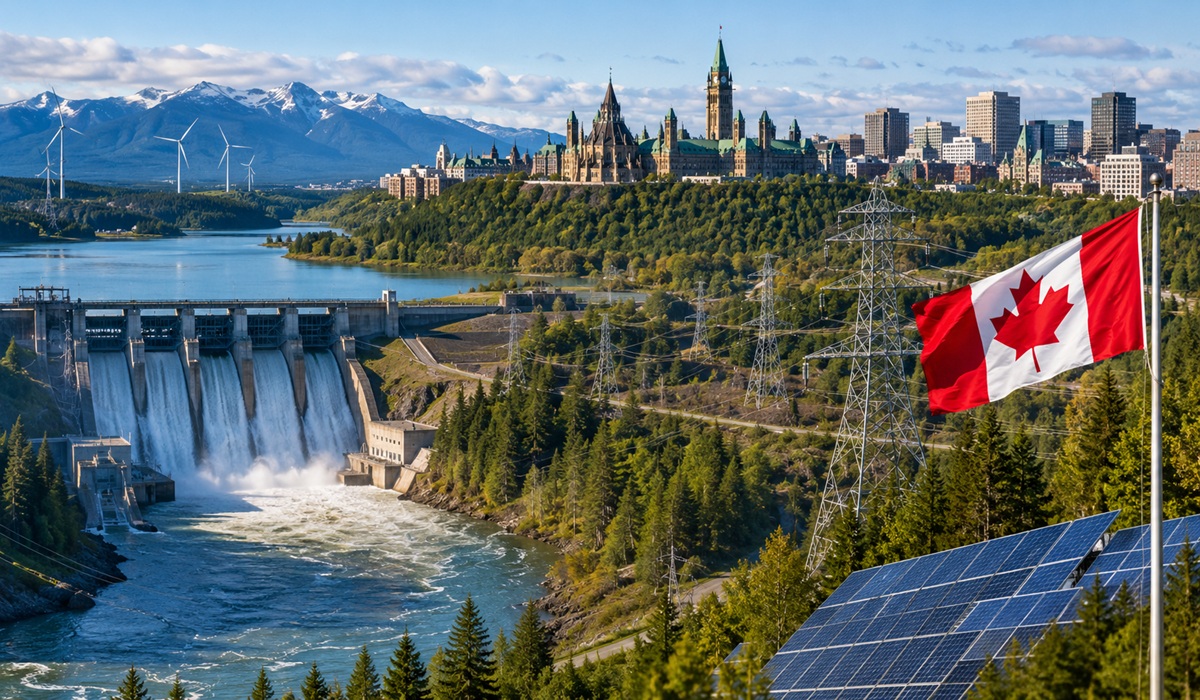
Canada is moving forward with one of the most ambitious infrastructure and energy expansion strategies in modern national history as the federal government unveiled plans aimed at dramatically increasing electricity production capacity over the next several decades. The announcement comes as the country faces mounting pressure from rising industrial demand, artificial intelligence data centres, electric vehicle expansion, and growing concerns surrounding long-term energy independence.
Prime Minister Mark Carney introduced the proposal this week, describing it as a nation-building initiative designed to modernize aging electrical systems while strengthening economic competitiveness. The strategy could ultimately carry costs approaching one trillion dollars over the coming decades and would focus heavily on expanding east-west power transmission networks, hydroelectric development, nuclear energy, and renewable infrastructure.
Federal officials say the current electrical grid will not be capable of handling future demand without major upgrades. Government planners have also pointed to increasing geopolitical and economic uncertainty, particularly surrounding trade tensions with the United States, as another reason the country must strengthen domestic energy resilience and reduce dependence on outside supply chains.
The proposal has already sparked significant debate across political and business circles. Supporters argue the country has little choice but to modernize rapidly if it hopes to remain competitive in the global economy. Critics, however, question the enormous financial burden and whether Canadians are prepared for the scale of public and private investment required.
The timing is also politically significant. The country continues to wrestle with affordability concerns, housing shortages, immigration restructuring, healthcare pressures, and growing debates surrounding federal regulation in sectors ranging from artificial intelligence to energy development.
Despite ongoing economic pressures, there are growing signs Ottawa wants to position the nation as a long-term energy superpower capable of competing in an increasingly unstable global environment. The message from the federal government appears increasingly clear: the next generation of economic growth will be powered by energy, infrastructure, and technological capacity, and the country does not intend to fall behind.
About The Author