Trade Anxiety, Wildfire Concerns and Economic Realignment Continue Dominating National Discussions
- Kingston Bailey
- Canada
- May 12, 2026
Political leaders, economists and provincial officials across the country are increasingly focused on what many describe as a long-term restructuring period for the national economy. While trade with the United States remains critically important, federal planners have become far more vocal about the risks associated with overdependence on a single dominant trading partner. Ongoing tariff uncertainty, supply chain disruptions and geopolitical instability abroad have accelerated conversations surrounding industrial independence, internal infrastructure expansion and energy security.
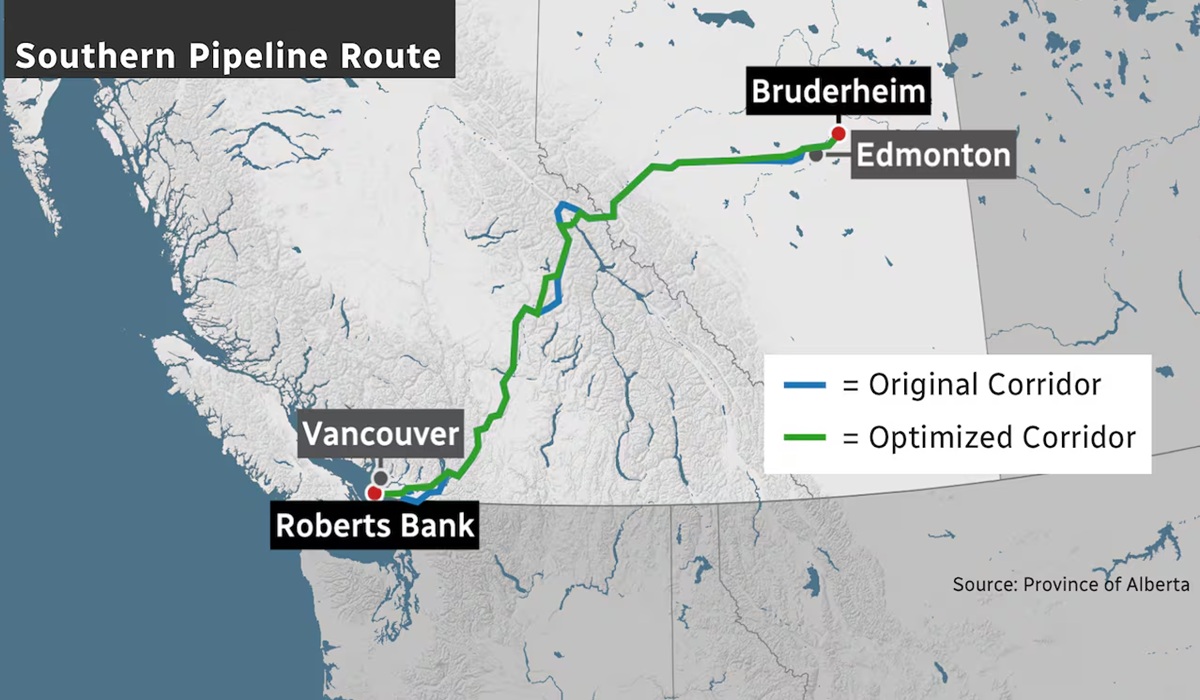
Ottawa has continued promoting major transportation and resource development initiatives aimed at improving domestic manufacturing capacity and reducing bottlenecks between provinces. Government officials believe stronger east-west infrastructure could become increasingly important if global instability worsens throughout the second half of 2026. Energy corridors, rail modernization projects and port expansions are all being discussed as part of broader economic resiliency planning. Business organizations have largely welcomed the discussions, though some environmental groups remain concerned about how quickly approvals may move under proposed reforms.
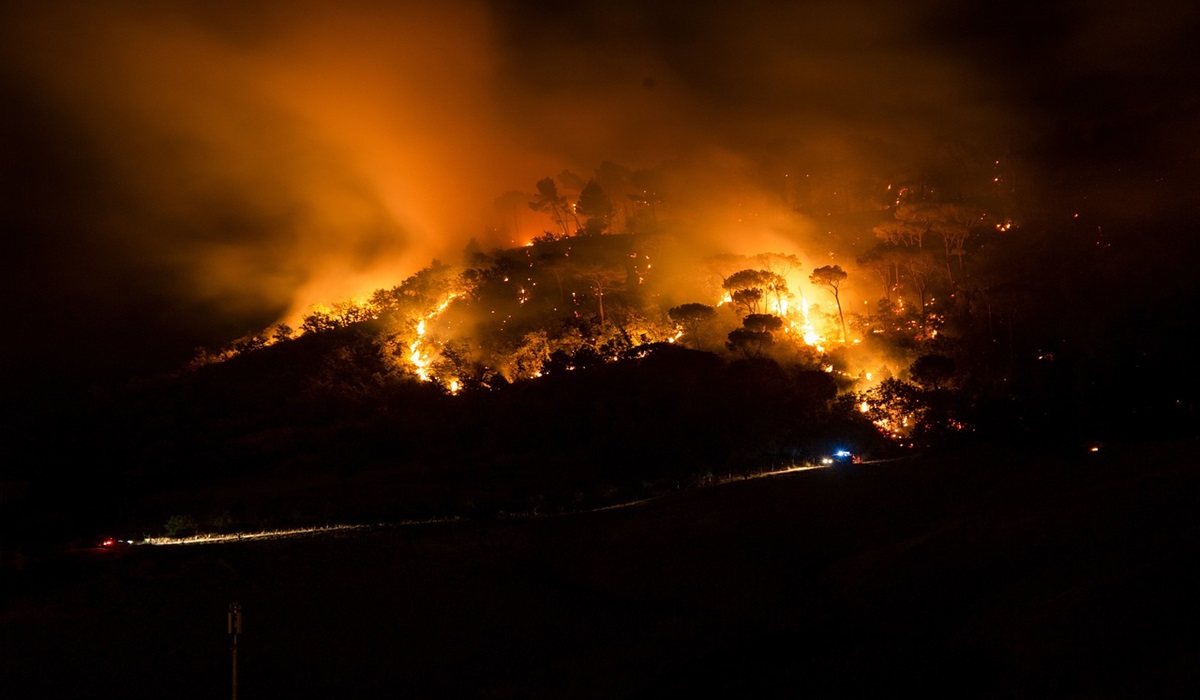
Wildfire preparedness is once again becoming a central issue as temperatures begin rising heading into summer. British Columbia, Alberta and parts of Saskatchewan are already warning residents to prepare for another potentially dangerous season after years of increasingly destructive fires. Insurance analysts are expressing concern that repeated climate disasters are beginning to reshape housing markets and municipal budgets in vulnerable regions. Emergency management agencies have expanded coordination efforts this year in hopes of avoiding some of the communication failures seen during previous fire seasons.
Economic uncertainty tied to international conflict is also weighing heavily on financial projections. Oil price volatility linked to tensions in the Middle East continues influencing energy markets, transportation costs and inflation forecasts. The Bank of Canada has signaled cautious optimism regarding inflation stabilization, though analysts warn that prolonged instability overseas could quickly reverse recent progress. Consumers meanwhile continue facing elevated grocery costs and affordability concerns despite slower inflation growth compared to previous years.
Housing remains one of the most politically sensitive subjects nationwide. Federal and provincial governments are under mounting pressure to accelerate construction while addressing concerns surrounding immigration capacity, infrastructure strain and affordability. Municipal leaders in several major urban centres argue that demand continues vastly outpacing supply despite repeated policy announcements and funding programs. The issue is expected to remain one of the defining political and economic stories throughout the remainder of the year as voters increasingly demand measurable results rather than announcements alone.
About The Author