A Nation Navigating Global Pressure, Climate Commitments, and Arctic Strategy
- Ingrid Jones
- Canada
- May 5, 2026
In 2026, Canada finds itself balancing domestic pressures with an increasingly complex global role, as geopolitical tensions, climate change, and economic transitions begin to collide in real time. The country’s identity as a resource-rich, environmentally conscious, and politically stable nation is being tested by competing demands at home and abroad, and the margin for error is shrinking.
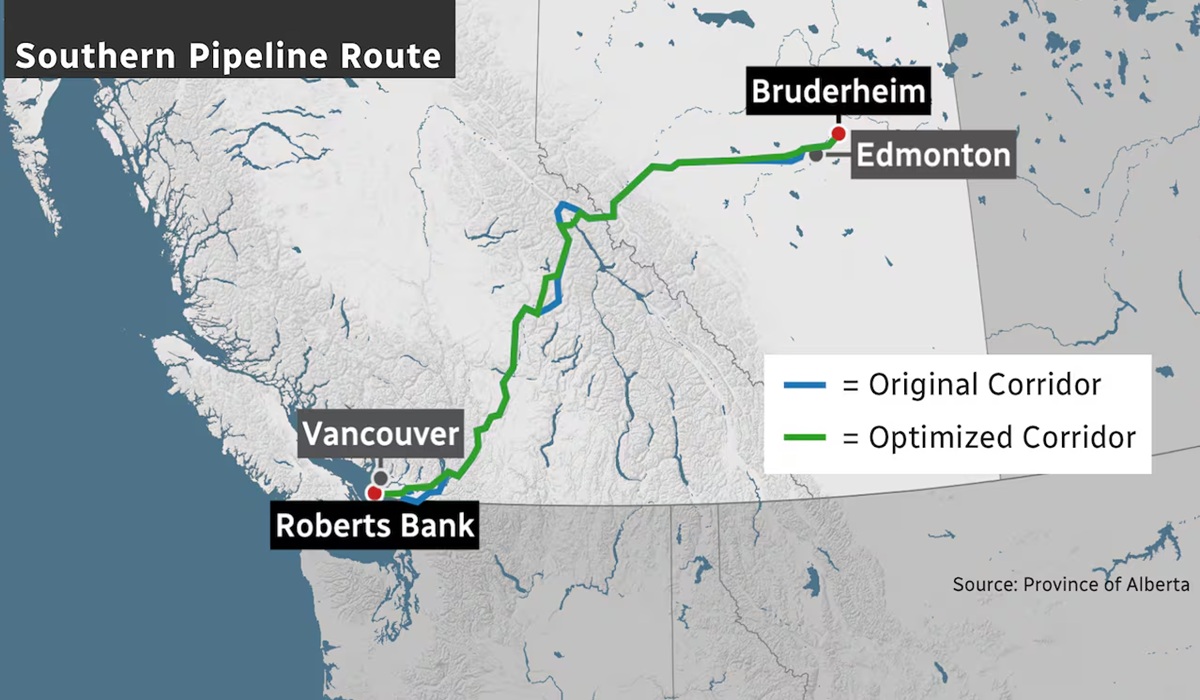
At the federal level, the government continues to position itself as a leader in climate policy while facing growing scrutiny over the pace and practicality of its transition. The economy still leans heavily on natural resources, particularly oil and gas, even as aggressive emissions targets remain in place. That tension is no longer theoretical. It is playing out in boardrooms, provincial legislatures, and households across the country. In energy-producing regions like Alberta, revenues tied to oil and gas remain essential, while Ottawa pushes forward with clean energy investments, carbon pricing, and regulatory frameworks that are often viewed as disruptive. The national conversation has shifted. It is no longer about whether a transition is necessary, but how quickly it can happen without undermining economic stability.
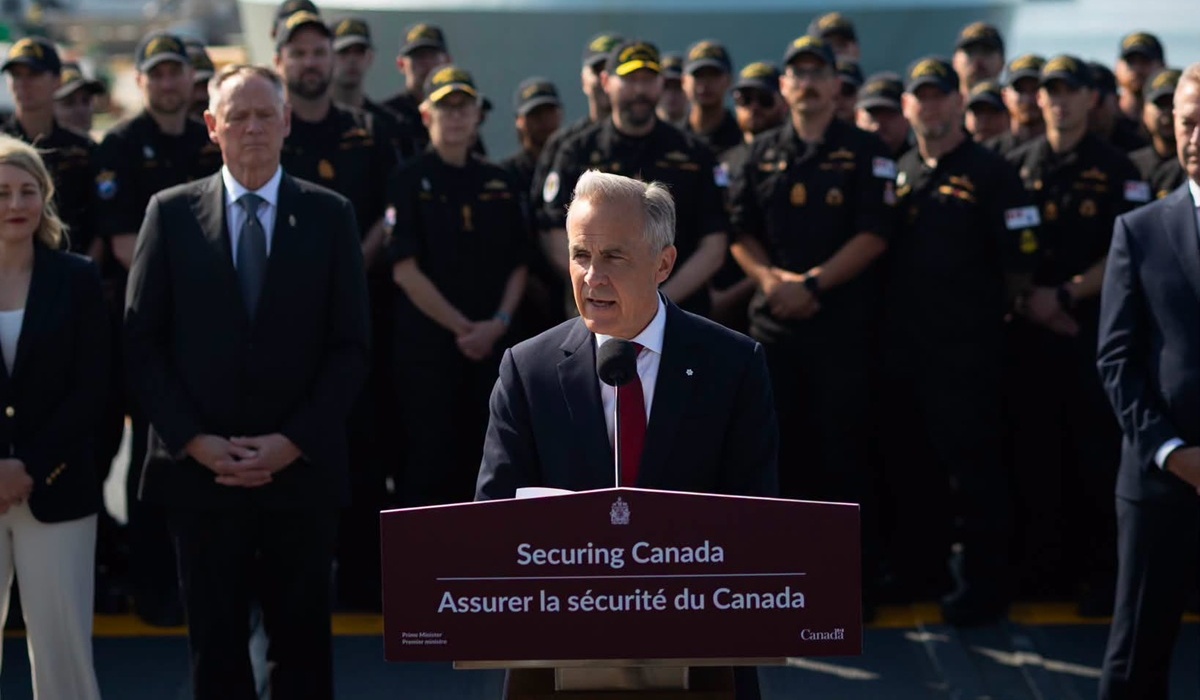
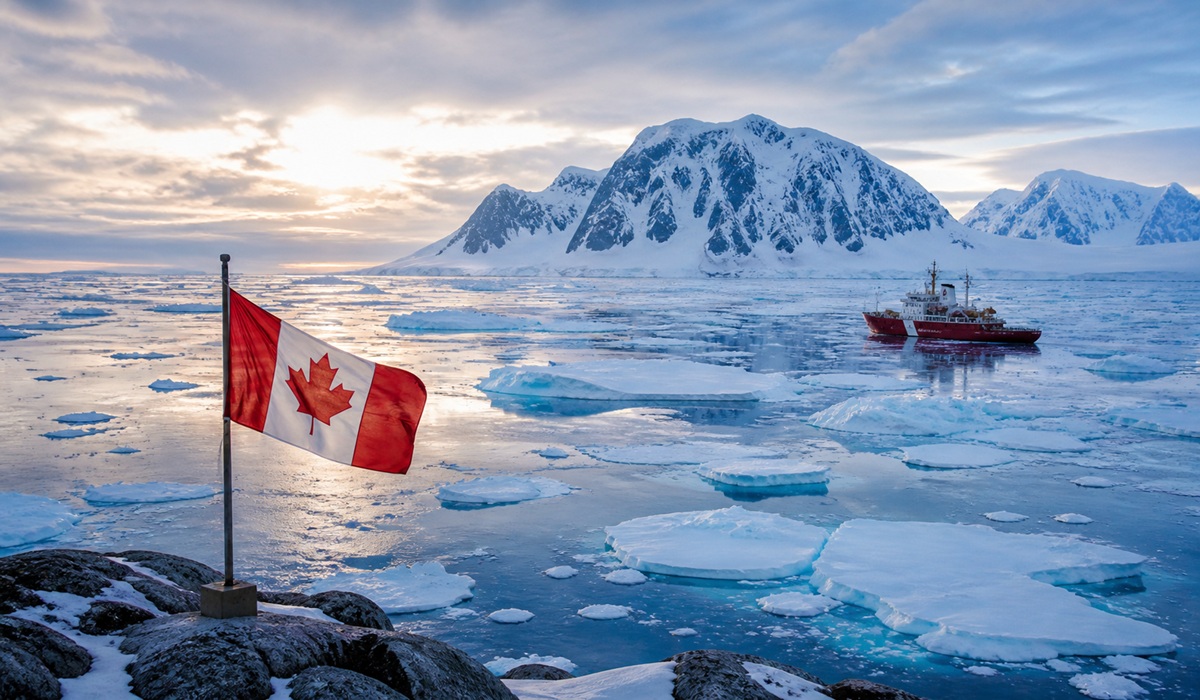
One of the most consequential shifts shaping the country’s future is the renewed focus on the Arctic. What was once seen as a distant frontier is now emerging as a critical zone of economic opportunity and geopolitical tension. As ice continues to recede, new shipping routes are becoming more viable, and with that comes a sharper debate over sovereignty and control. The Northwest Passage sits at the heart of that debate. Ottawa maintains that these waters are internal, while other global powers increasingly challenge that position. In response, there has been a steady effort to strengthen northern infrastructure, expand surveillance capabilities, and reinforce military readiness. These moves are measured, but they send a clear signal: the North is no longer a symbolic priority; it is a strategic one.
Scientific engagement is also playing a larger role in shaping influence abroad. Researchers from across the country are deeply involved in global climate studies, including work in Antarctica that helps inform long-term environmental projections. This kind of participation extends beyond academic curiosity. In a world where climate data drives policy and investment decisions, being at the forefront of research gives the country a stronger voice in international discussions that will shape the decades ahead.
Closer to home, affordability continues to dominate public concern. Housing costs remain stubbornly high in major urban centres, and while efforts are underway to increase supply, many people still feel locked out of ownership. Inflation has cooled compared to previous peaks, but everyday expenses continue to strain budgets, particularly when wage growth fails to keep pace. Governments are under increasing pressure to deliver results that people can actually feel, not just long-term plans that take years to materialize.
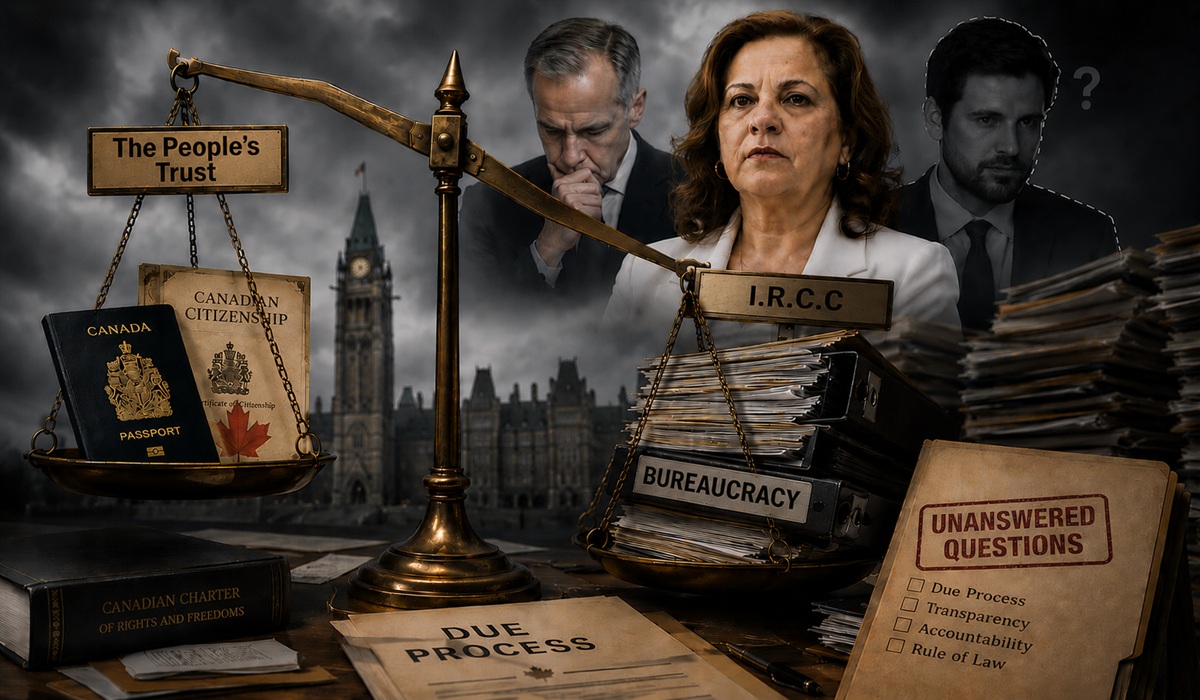
Immigration, long considered one of the country’s strongest economic advantages, is also being reassessed in practical terms. The need for population growth and skilled workers remains clear, but infrastructure has struggled to keep up. Housing, healthcare, and transit systems are under visible strain in several regions. Support for immigration remains broadly intact, but it is now tied more closely to questions about capacity and planning than it has been in the past.
On the global stage, Canada is stepping into a more assertive role, whether it intends to or not. Climate diplomacy, Arctic sovereignty, and broader security concerns are pushing the country to make clearer, firmer decisions. The challenge moving forward is not simply about managing external pressures, but about holding together a sense of national cohesion while navigating them. Success will depend on striking a careful balance between economic resilience, environmental responsibility, and the everyday realities facing people across the country.
About The Author