By: Donovan Martin Sr, Editor in Chief
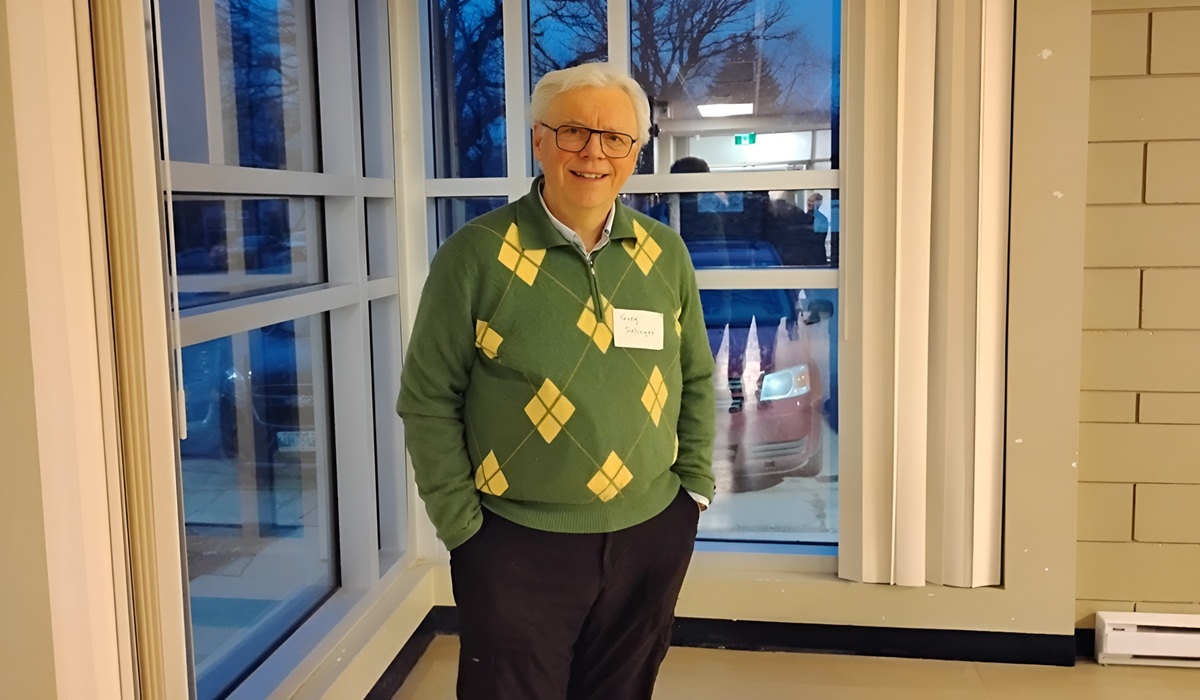
There is something refreshing about seeing a former premier out in the community not because he has to be there, not because there is an election around the corner, and not because a staff schedule dictates every handshake and conversation, but simply because he still wants to be involved. That was very much the impression in catching up with Greg Selinger, who came across as upbeat, active and genuinely at ease in this next chapter of life.
Selinger, who served as Manitoba’s 21st premier from 2009 to 2016 after a decade as finance minister, and later stepped away from public office in 2018, now carries himself without the visible weight that often follows those who have held power at the highest level. There is a noticeable shift, not in who he is, but in how that energy is expressed. The urgency is gone, but the instinct remains.
Post-political life is often simplified by those watching from the outside. People imagine more time with family, less stress, maybe a slower pace and a quiet retreat from the spotlight. In reality, the transition is rarely that clean. Politics is not just a job, especially not for someone who has led a province. It becomes a way of thinking, a way of engaging, and, in many cases, a central part of identity. When that suddenly disappears, whether by choice or circumstance, it can leave a void that is far more difficult to fill than most people understand.
That is what makes Selinger’s current rhythm stand out. He speaks about the simple things with a sense of appreciation that feels earned rather than performative. Time with family and friends has taken on new importance. Staying active, going for walks, and being present in the community are no longer squeezed between obligations but have become the foundation of daily life. Yet even in that quieter routine, the traces of public life are unmistakable.
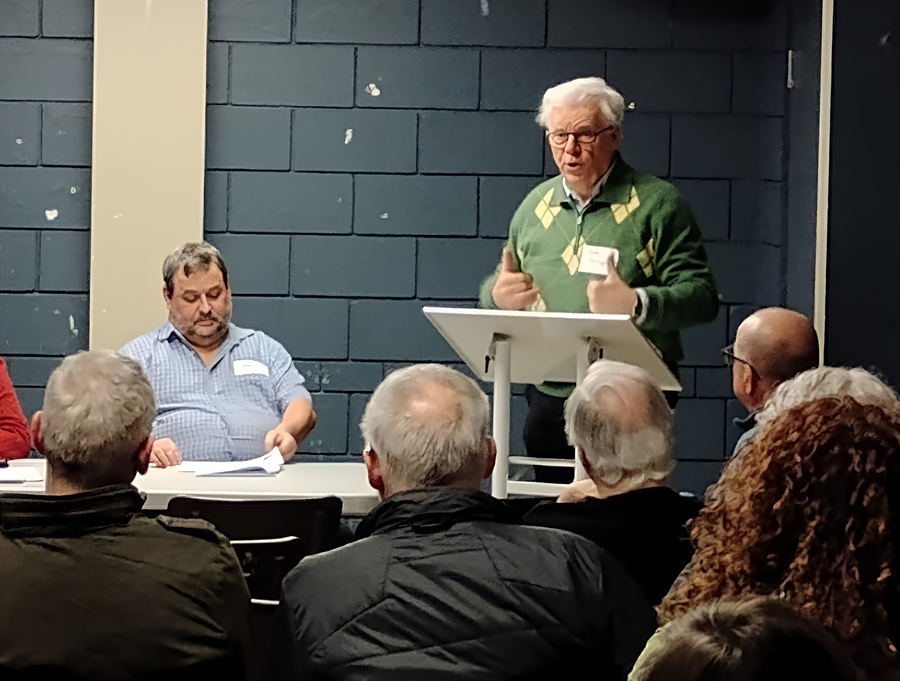
Once someone has spent years in politics, particularly at the level of premier, the instinct to engage never fully fades. You can still see it in the way he works a room, comfortable in conversation, attentive to people, and naturally drawn into discussions that shape everyday life. At a local community gathering, he was not there as a former office holder trying to relive the past, but as someone still genuinely interested in what comes next. Conversations around building affordable housing that fits within existing neighbourhoods were not treated as abstract policy, but as real, grounded concerns that continue to matter.
The contrast is striking when you take a step back. There was a time when Selinger was responsible for decisions that carried billion-dollar implications, navigating economic pressures, political battles, and public scrutiny on a daily basis. Today, that same person can be found walking through a neighbourhood, engaging in conversations that are smaller in scale but no less meaningful. It is a shift from authority to presence, from command to connection, and it is not a transition everyone manages easily.
That is where the broader reality of political life comes into focus. Public office places individuals under constant pressure. Every decision is dissected, every mistake amplified, and every success challenged. Leaders in particular absorb the full weight of their party’s performance and the public’s expectations. When things go wrong, the criticism can be relentless. When support fades, it often does so quickly and without mercy.
For some politicians, leaving that environment brings relief. For others, it can be disorienting. The structure disappears. The constant momentum stops. The identity that once defined them is suddenly gone. It is not uncommon for former politicians, especially those who have led parties or governments, to struggle with that shift. The conversation around mental health in politics has grown in recent years, and for good reason. The emotional toll can be significant, particularly when careers end in defeat or public rejection.
Against that backdrop, Selinger’s transition feels less ordinary and more instructive. There is no sense of someone clinging to the past or trying to recreate it. Instead, there is a willingness to remain engaged without needing to be in charge. That distinction matters. It suggests a level of balance that is not always easy to achieve after years in positions where control, decision-making, and visibility define daily life.
There is also something telling in how he is received. Public office can distort relationships, as interactions are often shaped by power and proximity. When that power is gone, what remains is a more honest reflection of connection. Watching Selinger move through a crowd, there was a sense of familiarity and warmth that did not feel forced. People engaged with him not out of obligation, but out of recognition. It is a quieter kind of respect, one that exists outside the machinery of politics.
This is not about rewriting history or softening the edges of a political career. Every leader carries decisions that were debated, criticized, and, at times, unpopular. That is part of the role. What stands out here is not the politics of the past, but the posture of the present. It is the ability to step away from the intensity of leadership and still remain grounded, still participate, and still find purpose without the title.
In many ways, that is where the real story of politics begins to take shape. Not during the campaigns or the legislative battles, but after the office is gone and the noise has settled. Some struggle to find footing. Some retreat entirely. Others find a way to reconnect with the very communities they once represented, not as decision-makers, but as participants.
Selinger appears to fall into that last group. The pace is different, the responsibilities lighter, but the engagement is still there. It is not driven by ambition or necessity, but by a continued interest in the people and places that shaped his time in office.
It is one thing to lead when the spotlight is on and the stakes are high, when every move is watched and every decision debated. It is another thing entirely to step away from that and still show up, still care, and still engage without the weight of office behind you. In many ways, that is where the measure of a politician becomes clearer. Not in the years they held power, but in how they carry themselves when it is gone.
About The Author