Granite Curling Club Triumph: Matt Dunstone Brings the Brier Home to Manitoba
- Don Woodstock
- Sports
- March 11, 2026
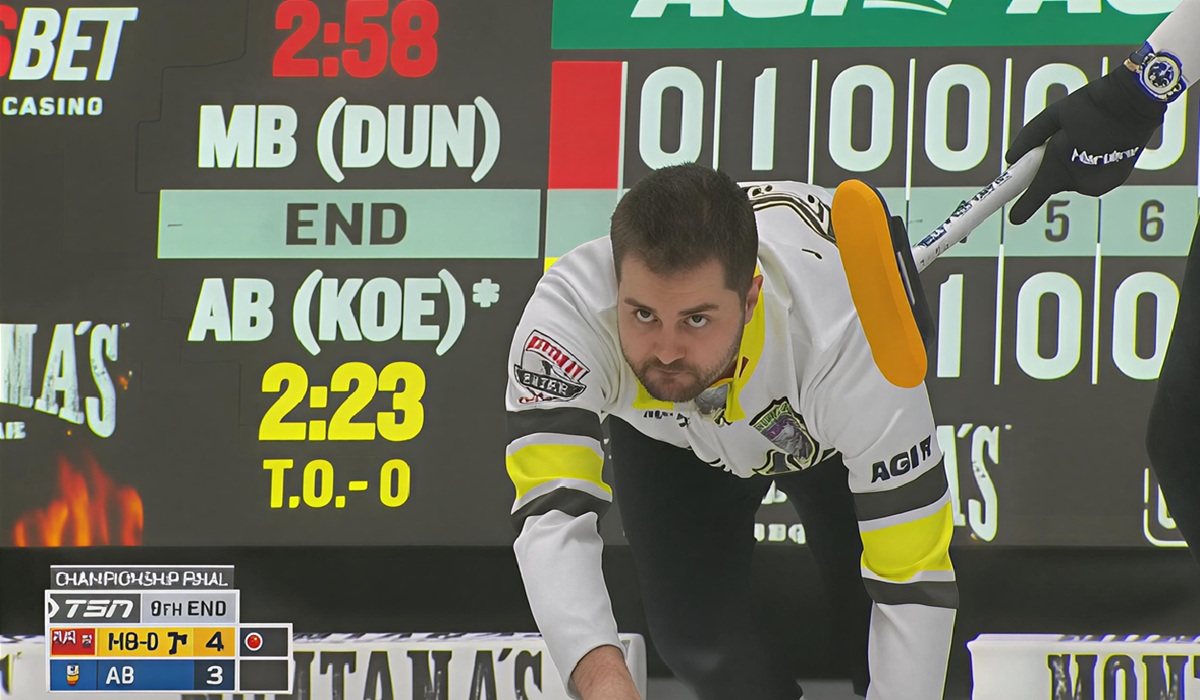
When Matt Dunstone lifted the trophy at the Montana’s Brier, the moment felt larger than the result of a single tournament. It represented perseverance after disappointment, leadership at exactly the right time, and a reminder that the heart of sport still lives in community institutions that refuse to disappear. For Manitobans watching the celebration unfold, the victory carried a deeper emotional weight because of the story behind it and the place where much of that journey was rooted.
The Granite Curling Club is often called the “Mother Club,” recognized as the oldest curling club in Western Canada and one of the institutions that helped shape the province’s deep connection to the sport. Only months ago, the historic club found itself in an unexpected spotlight for reasons far removed from competition. The facility, long considered a cornerstone of Manitoba’s curling culture, had been drawn into discussions around possible land expropriation by the city. For many Manitobans who understand what curling represents here, the idea felt less like a planning exercise and more like a quiet threat to a place that has shaped community life for well over a century. Curling clubs have never been merely buildings of ice and stone. They are gathering places where young players first learn the rhythm of the game, where friendships stretch across generations, and where the traditions that define Manitoba’s winter identity continue to grow and endure.
Against that uncertain backdrop, a decision was made that now feels almost prophetic. Kyle Doering, the manager guiding the club and a young champion himself, recognized something in Matt Dunstone that statistics and recent results might not have fully captured. Dunstone had recently experienced the sting of losing a major final, a moment that could easily have shaken an athlete’s confidence or momentum. However, true competitors understand that setbacks are often the beginning of the next climb rather than the end of the journey.
Doering invited Dunstone to play out of the Winnipeg club, a move that now looks like one of those rare decisions where instinct and leadership align perfectly. The invitation represented more than an opportunity to compete under a different banner. It represented belief in someone’s potential at a moment when belief mattered most. Those kinds of decisions often shape the future in ways that cannot be predicted at the time.
Dunstone responded with the determination that has long defined his career. Instead of allowing disappointment to linger, he leaned into the challenge and began building chemistry with a new group of teammates who shared the same focus and ambition. Curling demands far more than technical skill. The sport requires patience, communication, and a deep sense of trust between players who must rely on each other through the smallest margins of success and failure.
As the Brier tournament progressed, it became increasingly clear that something special was unfolding. Manitobans watching from home and fans inside the arena could sense the momentum building with each carefully placed stone and each critical end. The team’s confidence grew as the competition intensified, and Dunstone’s presence on the ice reflected the mindset of a player determined not to let another opportunity slip away.
When the final match reached its decisive moments, the tension in the arena was impossible to ignore. Every shot carried enormous weight, and every successful play pushed Manitoba closer to a championship that felt both hard earned and deeply meaningful. When the final result became official, the emotion that poured out from Dunstone captured exactly what the journey had required. His celebration was not simply joy in victory, but the release of months of effort, resilience, and belief finally rewarded.
The championship means that Team Manitoba will now represent Canada at the World Men’s Curling Championship in the coming weeks. The opportunity to compete for another international title now lies ahead, bringing with it the hopes of curling fans across the country. Regardless of how the world championship unfolds, the significance of this Brier victory is already firmly established within Manitoba’s sporting history.
The achievement also places a spotlight on the importance of places like the Granite Curling Club. Institutions like this have quietly nurtured generations of athletes and community members who love the sport. These clubs offer something that modern facilities and large arenas cannot easily replicate, which is the sense of belonging and shared purpose that develops when people gather around a game they care deeply about.
Matt Dunstone’s path to the championship illustrates how resilience and opportunity often intersect in unexpected ways. His journey shows that losses and setbacks do not define an athlete’s future when determination and support remain strong. The partnership that formed between Dunstone and the Winnipeg club demonstrates how leadership and vision can unlock potential at exactly the right time.
Across Manitoba, curling fans are still reliving the emotional images from the championship celebration. The excitement, the relief, and the pride reflected a province that takes enormous pride in its curling heritage and the athletes who continue to represent it with distinction. For many people, the victory felt personal because it echoed the values that curling has always represented in Manitoba: perseverance, teamwork, humility, and respect for the game.
As Dunstone and Team Manitoba prepare to step onto the world stage, they carry more than a national flag with them. They carry the pride of communities that believe deeply in what this sport represents and the institutions that have helped sustain it. The journey that led to the Brier championship has already secured its place in Manitoba’s curling story, reminding everyone that belief, leadership, and community can still produce remarkable results when they come together at the right moment.
About The Author