The sports world heads into the weekend carrying a familiar mix of momentum, controversy, and quiet power shifts behind the scenes. While some leagues are gearing up for defining moments, others are already reshaping the balance of competition before the next whistle even blows.
In baseball, the offseason chessboard keeps moving. The Los Angeles Dodgers continue to reinforce their reputation as the league’s most aggressive operator, with reports indicating Kyle Tucker is headed west. For Toronto, this one stings less because of the player lost and more because of what it represents: the growing gap between teams willing to spend boldly and those still trying to thread needles. The American League East remains unforgiving, and patience is becoming harder to sell to fanbases watching superteams assemble in real time.
Football, meanwhile, has arrived at its annual pressure cooker. The NFL divisional round strips away narratives and exposes reality fast. This weekend’s matchups aren’t just about star quarterbacks or highlight reels; they’re about execution under weather, noise, and expectation. Snow and cold are likely to play their part, reminding everyone that January football still rewards discipline and depth over flash. Teams that survived the regular season on talent alone now face the reality that postseason football punishes shortcuts.
College basketball took a darker turn this week, as allegations tied to sports betting and point-shaving resurfaced in a way the sport desperately wants to leave behind. The indictment involving a former Wisconsin transfer is less about one player and more about the uncomfortable intersection between legalized betting, financial pressure on athletes, and oversight that hasn’t fully caught up. As gambling becomes normalized, stories like this raise unavoidable questions about safeguards, education, and accountability at every level of the game.
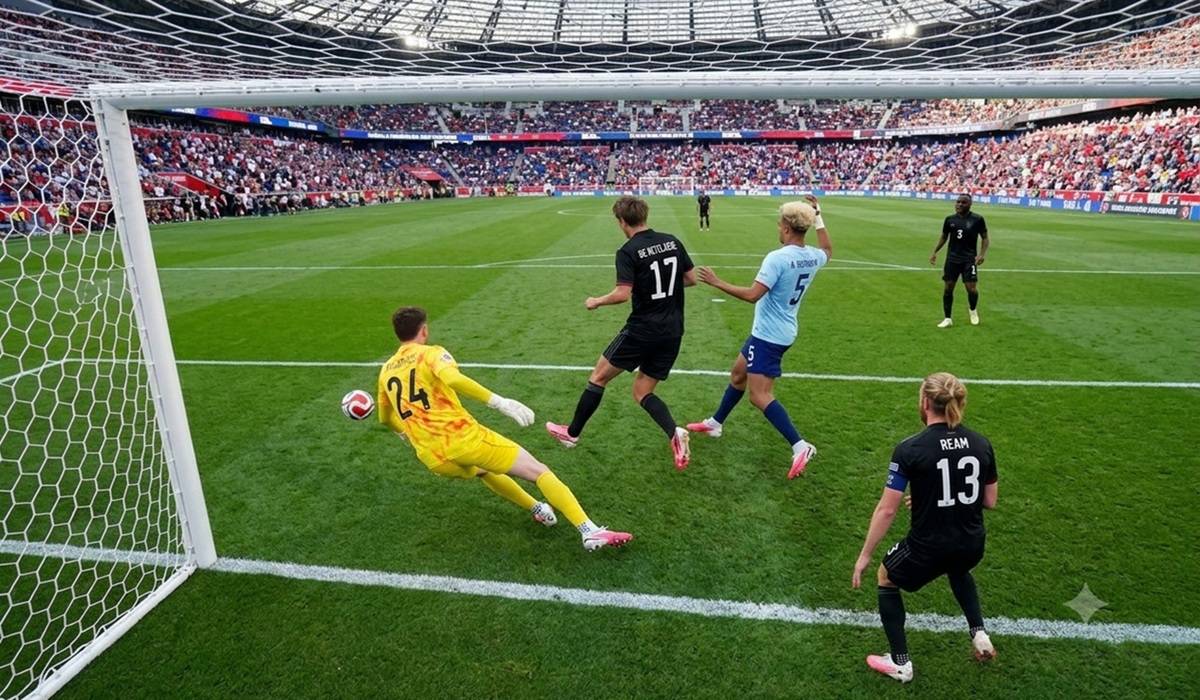
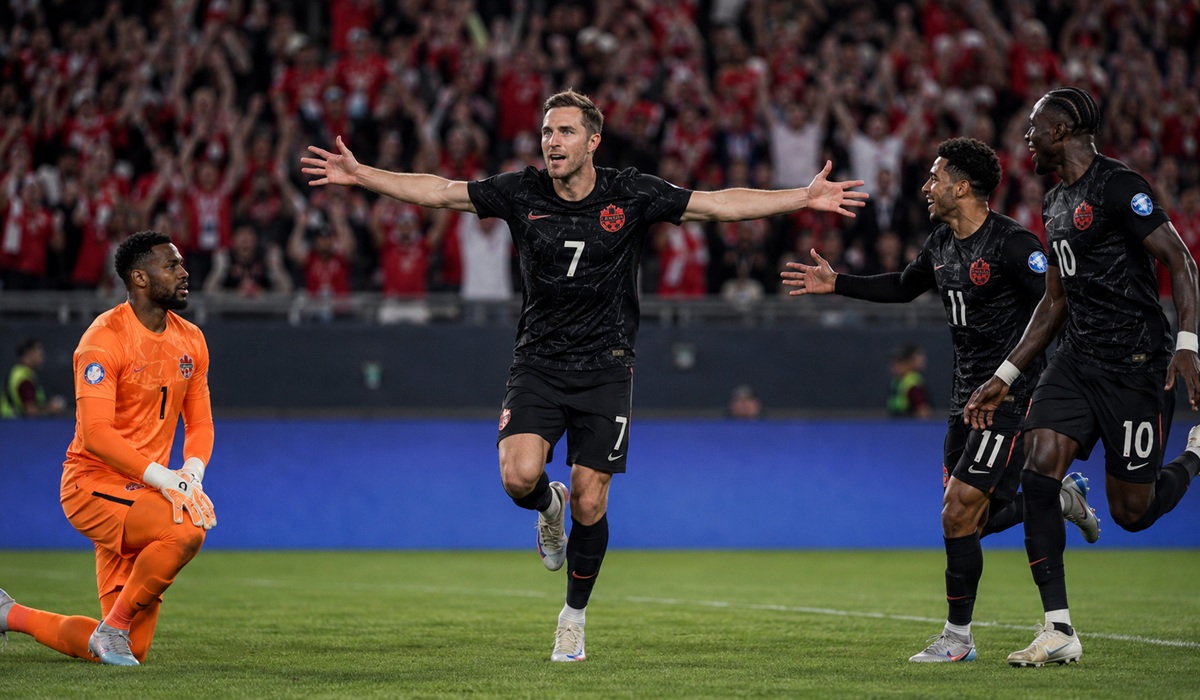
Across the Atlantic, soccer continues its relentless churn. Manchester United remains a club in constant motion, where every training session feels like a referendum on the future. Transfer rumors, tactical adjustments, and coaching scrutiny blur together into a single narrative: this is still a giant searching for stability in a league that no longer waits for anyone to find their footing. The Premier League’s pace doesn’t allow for rebuilding seasons disguised as progress.
Formula 1 is in a quieter, but no less significant, phase. Red Bull’s acknowledgment of early struggles with its new power unit project is a reminder that dominance in motorsport is never permanent. Regulation changes, engineering risks, and long-term planning can tilt the grid faster than fans expect. The upcoming season may not flip the standings overnight, but even small cracks in a powerhouse tend to reshape the championship conversation sooner rather than later.
In tennis, youth continues to announce itself loudly. Mirra Andreeva’s march into the Adelaide final reinforces a trend that’s impossible to ignore: the next generation isn’t waiting its turn. The women’s game, in particular, is seeing teenagers compete with a level of composure once reserved for seasoned veterans. It’s less about potential now and more about arrival.
Back in North America, business decisions are shaping the future as much as on-field results. The Chicago Bears’ praise of Indiana lawmakers over stadium authority legislation underscores how franchises increasingly think regionally, not municipally. Stadiums are no longer just homes; they’re leverage, revenue engines, and long-term political negotiations wrapped in civic language.
Taken together, this week didn’t deliver a single defining sports moment. Instead, it offered something more revealing: a snapshot of where power is consolidating, where cracks are forming, and where the next wave is already pushing through. As the weekend unfolds, the games will provide the drama—but the direction of sports, quietly, is being set off the field just as decisively.
About The Author