Public Health Authorities Confront Regional Pressures and Complex Epidemic Responses Across Africa
- Kingston Bailey
- Africa
- Trending News
- November 18, 2026

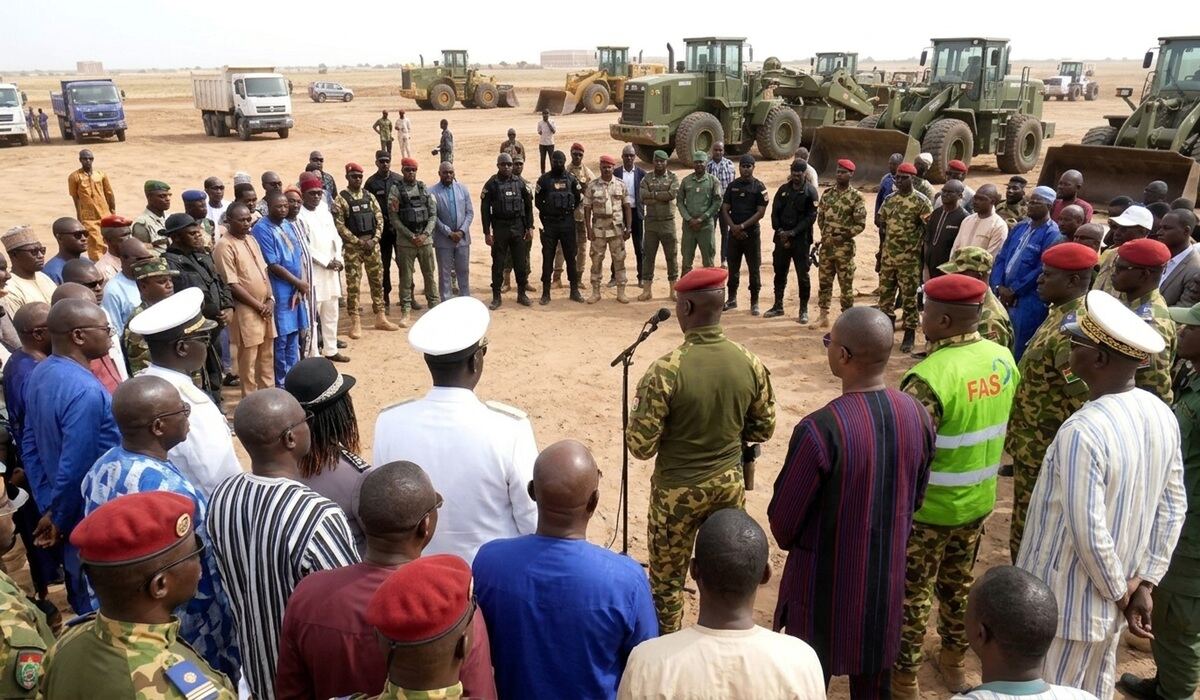
Photo credit: Public health coordination during regional infectious disease responses. Source: World Health Expo
Across the African continent, public health institutions, regional economic communities, and international partners are mobilizing resources to address a complex convergence of infectious disease outbreaks, humanitarian challenges, and structural healthcare reforms. Recent epidemiological updates issued by the World Health Organization and regional Centers for Disease Control and Prevention highlight the ongoing mobilization required to contain multi-country outbreaks, most notably the persistent transmission of the Bundibugyo strain of the Ebola virus across Central and East Africa. Public health ministries in the Democratic Republic of the Congo have reported sustained community transmission across multiple affected provinces, prompting intensified cross-border surveillance protocols, enhanced contact tracing, and rigorous screening measures at transit hubs in neighboring nations. While localized containment efforts in countries like Kenya and Nigeria successfully managed imported exposure risks through swift medical evacuations and strict quarantine protocols, international health agencies continue to stress that long term regional security depends heavily on strengthening decentralized laboratory diagnostic capabilities and upgrading primary healthcare infrastructure from the ground up.
Beyond immediate epidemic response, continental development finance institutions are actively investing in systemic economic and structural resilience to insulate vulnerable populations from compounding crises. The African Development Bank Group recently approved substantial multi million dollar financing packages designed to support comprehensive macroeconomic reforms, bolster small and medium sized enterprises, and expand financial inclusion across member states. Economists emphasize that unlocking the continent’s true potential requires addressing systemic vulnerabilities, including high debt servicing burdens, climate change induced agricultural disruptions, and persistent youth unemployment. By prioritizing domestic resource mobilization, intra-African trade corridors under the African Continental Free Trade Area, and targeted investments in digital health data systems, African governments are steadily reducing their historic reliance on fluctuating foreign development aid.
At the same time, grassroots innovation and youth-led technological initiatives are rapidly transforming the continent’s socioeconomic landscape. From South Africa to Kenya, young entrepreneurs and software engineers are harnessing artificial intelligence, digital banking platforms, and renewable energy solutions to drive homegrown economic development. Policymakers meeting at recent continental summits have underscored that Africa must position itself as a primary creator and driver of modern technology rather than remaining a passive consumer of external innovations. This forward-looking mindset is reshaping policy debates around natural resource management, where governments are increasingly enforcing domestic value addition requirements for critical minerals essential to the global clean energy transition. By demanding that raw wealth extraction translates directly into local industrial jobs, infrastructure development, and educational advancement, nations across the continent are asserting sovereign control over their economic destinies.
In addition to technology and mining reforms, agricultural modernization has emerged as a cornerstone of sustainable development strategies across sub-Saharan Africa. Governments are partnering with international research institutes to introduce climate resilient crop varieties, advanced irrigation technologies, and digital extension services that empower smallholder farmers to boost productivity despite erratic weather patterns. These targeted interventions are crucial for safeguarding regional food security, reducing rural poverty, and dampening the inflationary pressures driven by global supply chain disruptions.
Ultimately, the compounding success of these health, economic, and agricultural initiatives underscores a profound paradigm shift across the continent. Driven by visionary domestic leadership, robust regional integration agreements, and an increasingly dynamic private sector, Africa is successfully navigating complex global challenges to chart an independent, prosperous course for its rapidly growing population.
About The Author