Ottawa Braces for Impact as New U.S. Trade Demands Threaten Key Industries
- Ingrid Jones
- Canada
- July 22, 2026
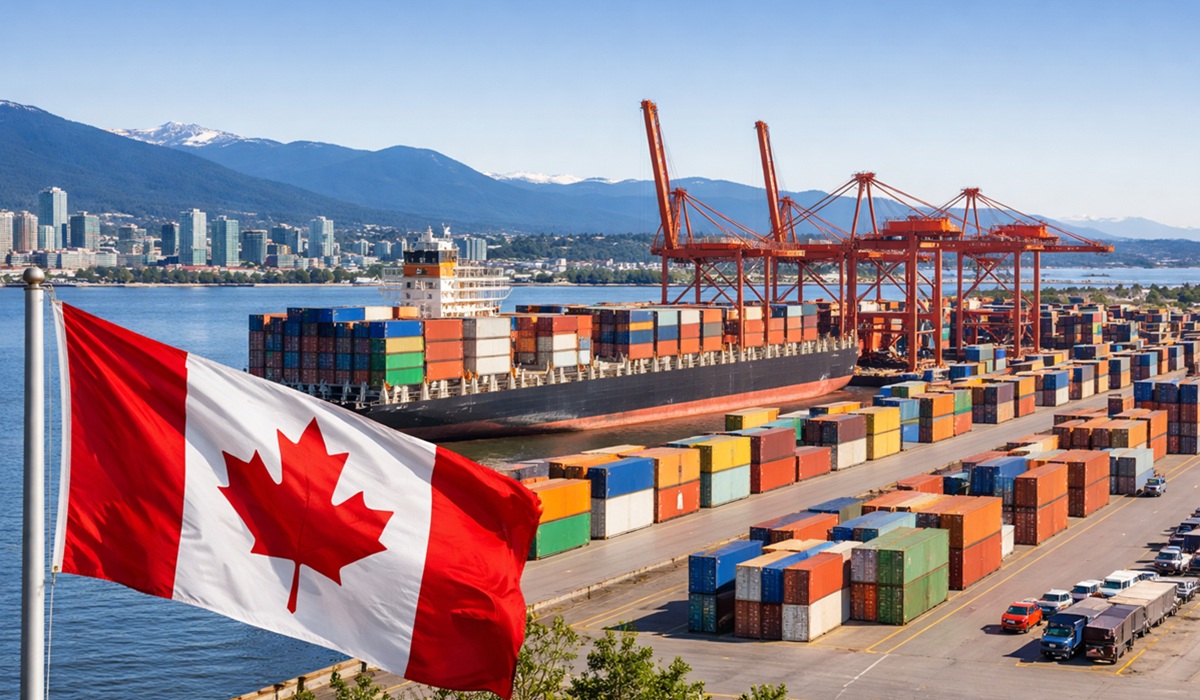
OTTAWA — Tensions between Ottawa and Washington have reached a critical point as Canadian officials scramble to respond to the latest economic salvo from the White House. Prime Minister Mark Carney held urgent discussions with provincial leaders to coordinate a unified response following new 50% U.S. tariff threats targeted at a broad range of Canadian exports.
The targeted goods include cement, alcohol, agricultural items, and manufactured components, with Washington citing disputes over provincial alcohol distribution rules and long-standing trade disagreements under CUSMA. While energy exports, potash, and critical minerals remain exempt, Canadian business groups warn that the broader impact could disrupt supply chains across multiple sectors.
Prime Minister Carney stated that Canada remains committed to direct negotiations to resolve outstanding friction, emphasizing that retaliatory trade measures ultimately raise costs for consumers on both sides of the border. With a 30-day window before implementation, federal and provincial leadership are weighing targeted counter-measures while keeping diplomatic channels open to safeguard cross-border commerce.
In response to the White House linking trade grievances to regional wildfire smoke drifting southward, Canadian officials have defended the country’s wildland fire response and forest management protocols. Federal emergency management agencies noted that extreme summer weather patterns across North America require joint atmospheric monitoring and pooled firefighting resources rather than cross-border punitive measures. Industry groups in forestry and manufacturing have urged both governments to keep environmental cooperation separate from commercial trade framework talks.
Economic analysts warn that prolonged tariff escalation could complicate the Bank of Canada’s monetary strategy as domestic inflation moderates. Recent Statistics Canada data indicated headline consumer price inflation eased to 2.8 per cent in June. However, financial forecasters caution that significant duty hikes on consumer imports and construction inputs could reintroduce upward price pressures on retail goods and housing development projects nationwide.
Meanwhile, Ottawa is accelerating its economic diversification efforts alongside defense modernization projects to lessen single-market vulnerability. Federal ministers recently highlighted expanded bilateral agreements across Asia and Europe while formalizing Canada’s observer status in international defense technology initiatives like the Global Combat Air Programme. Canadian trade representatives emphasize that while bilateral commerce with the United States remains indispensable, expanding trade corridors across broader markets serves as a vital safeguard for long-term domestic stability.
About The Author