Happyland Pool Demolished: A Community’s Heartbreak in St. Boniface
- Don Woodstock
- Tiger's Eye Advisory Group - Trending News
- September 19, 2025
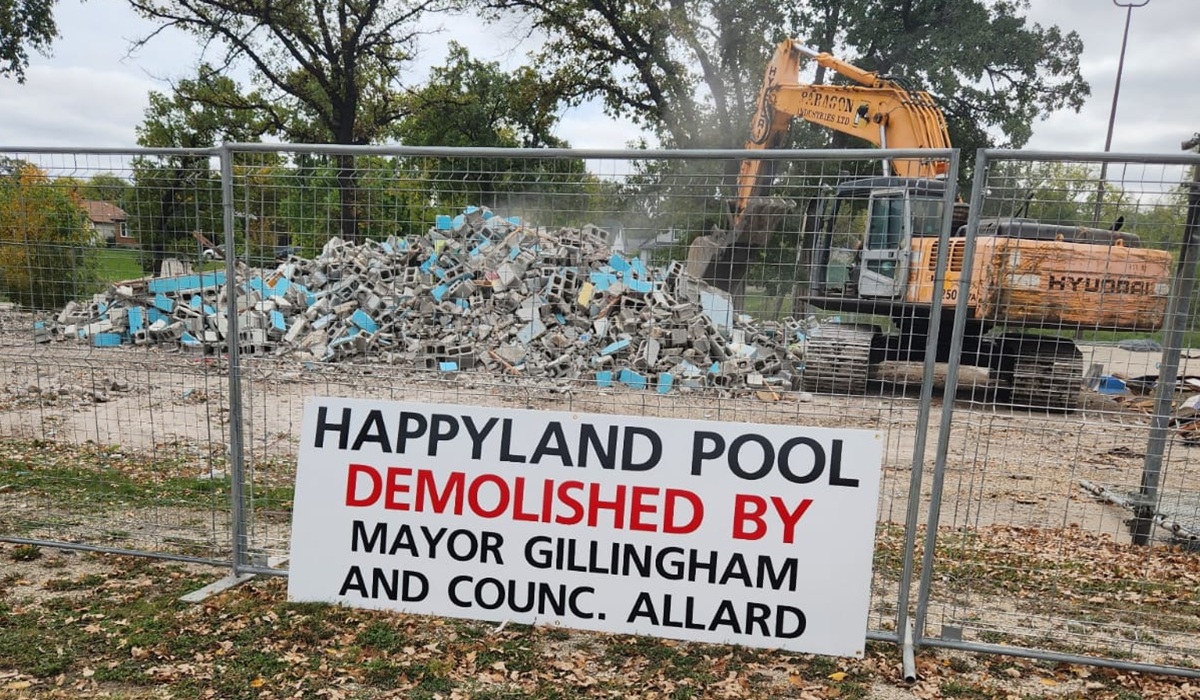
Yesterday, Winnipeg closed the book on a chapter of St. Boniface history when demolition crews reduced Happyland Pool to rubble. The pool, long regarded as the heart of the South St. Boniface community, was more than a swimming facility. For generations, it was where children learned to swim, parents gathered to watch, and families from all walks of life came together in summer. Its destruction has left residents shaken and angry, with many standing by in tears as the wrecking ball swung.
For decades, people in the area fought to keep the pool alive. The South St. Boniface Residents Association, under president Teresa Cwik, worked tirelessly to preserve it. At one point, the community raised $86,882.50—enough to cover more than two and a half years of the city’s own estimated $36,000 annual operating costs. The money was there, the will was there, and neighbours proved they were ready to keep raising funds. Still, City Hall said no. The question that lingers is why.
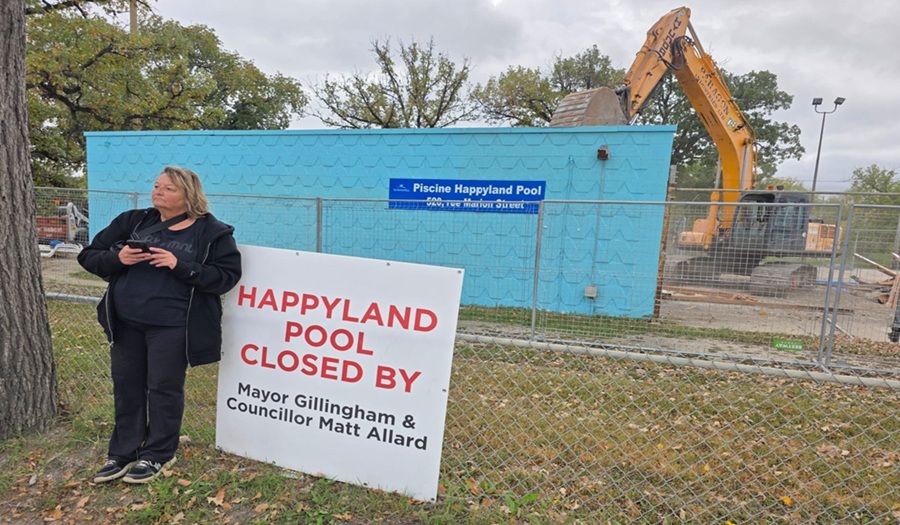
Part of the anger comes from a sense of betrayal. Over the past 16 years, money earmarked specifically for the park was quietly diverted back into general revenues instead of being invested in the facility it was meant to protect. Time and again, the people of South St. Boniface saw decisions made elsewhere that undermined their efforts at home. And now, after four separate attempts over the past decade, the push to close Happyland Pool finally succeeded.
Residents describe the decision as nothing less than a wrecking ball through their neighbourhood. First, Norwood’s pool disappeared. Then Windsor Park came under threat. Now Happyland is gone. St. Boniface, once a community with multiple pools where kids could cool off on hot summer days, is being stripped down to nearly nothing.
This sense of being targeted isn’t new. Back in 2015, there was an attempt to push a freeway through the same neighbourhood—another project that would have carved up South St. Boniface in the name of “progress.” Residents fought that proposal too, and won. But the memory lingers, and the closure of Happyland Pool feels like another chapter in a long story of community needs being overlooked.
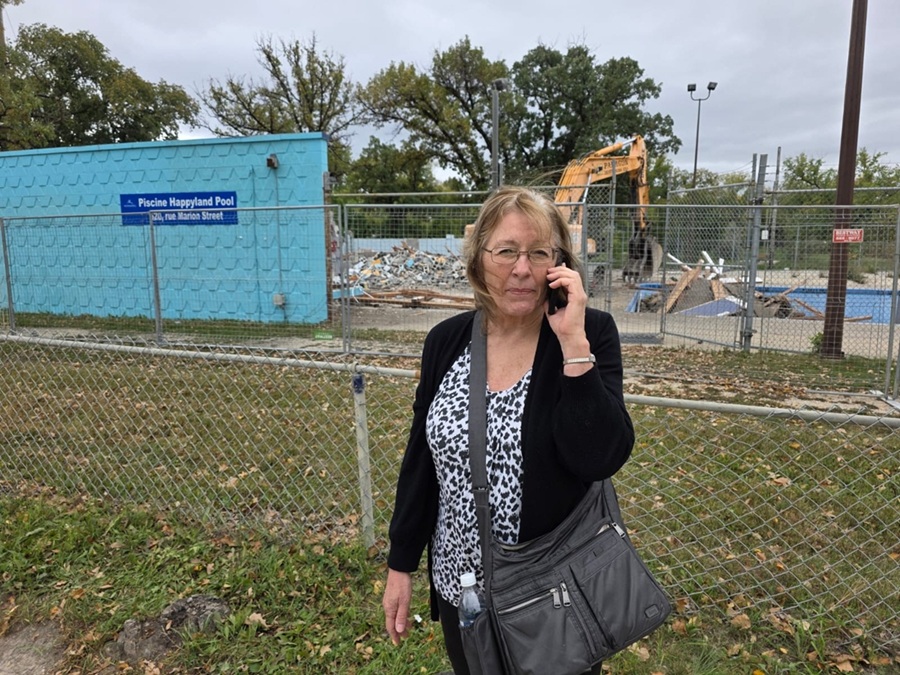
To make matters worse, the demolition comes at a time when the population of the area is growing rapidly. Major new housing developments are underway just blocks from the former pool site, on the old Canada Packers and Public Markets lands. Families are moving in, newcomers are being welcomed, yet the recreational spaces that make neighbourhoods livable are being taken away.
There has been talk of building a new Aqua Centre somewhere in the region, but many fear it will not serve the people who need it most. Facilities like that often come with high entry fees and membership costs. For families already struggling with social and economic challenges, those barriers put the centre out of reach. Happyland, by contrast, was a place everyone could afford to use. Its closure leaves children without a safe, low-cost summer activity and families without the communal gathering space they relied on.
This is not just about a pool—it is about equity, fairness, and the right to accessible community services. Recreation is not a luxury. A pool is an essential service, especially in neighbourhoods where alternatives are limited. We know that when children have safe, affordable places to spend their time, crime goes down, opportunities go up, and the entire community benefits. The demolition of Happyland Pool is not simply the loss of a building—it is the loss of a safeguard.
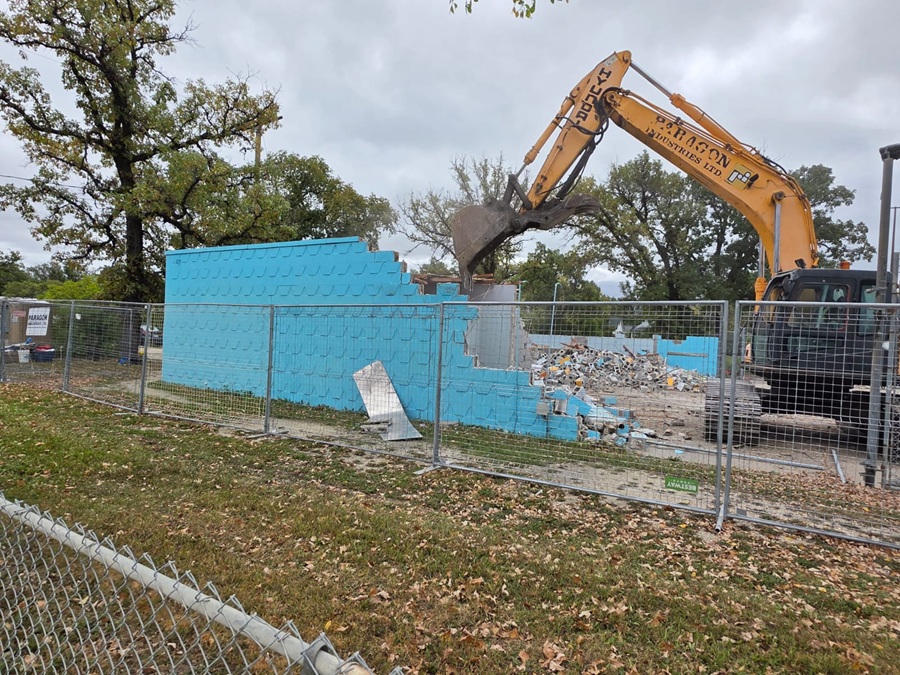
And perhaps most painful of all is the symbolism. Happyland Pool stood as a testament to community resilience, to neighbours banding together to fight for what they believed in. That spirit is still alive, but now it stands next to an empty lot. The wreckage is more than concrete—it is trust shattered, dreams dismissed, and decades of community effort swept aside.
St. Boniface deserved better. The residents did their part: they organised, they raised the money, they showed up to fight for their pool. City Hall failed them. And in doing so, it gutted the heart of South St. Boniface.
As Winnipeg grows, decisions like this demand reflection. Who benefits from the removal of a beloved pool? Who will benefit from what comes next? And where does that leave the families who simply wanted their children to swim close to home, without barriers, without politics, without broken promises?
Happyland Pool is gone, but the fight for accessible, free community spaces must continue. More recreation, less crime. More opportunities, fewer excuses. St. Boniface deserves a future where essential services like pools are preserved, not demolished.
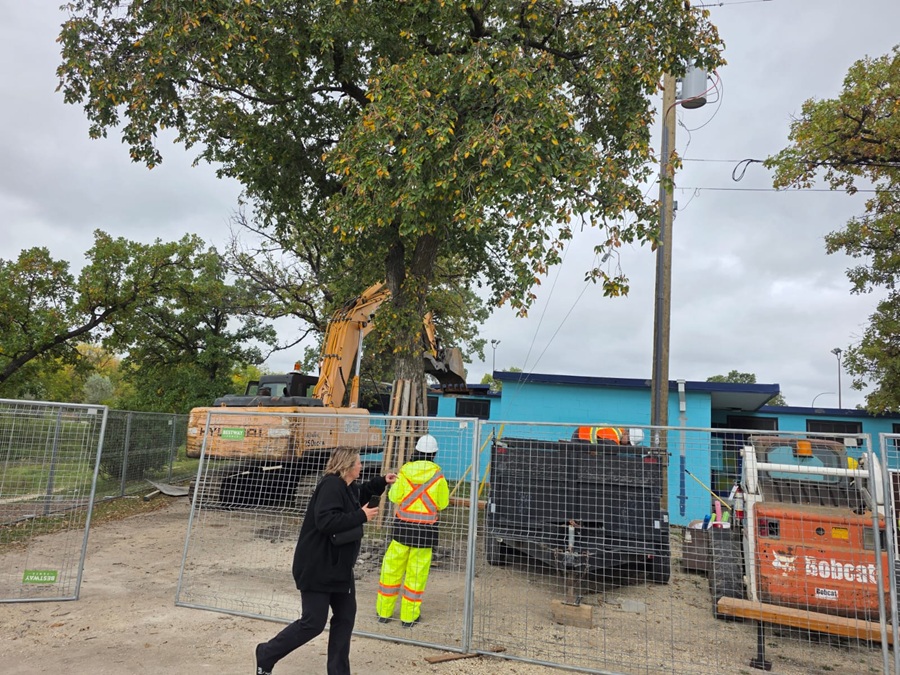
Looking ahead, many in the neighbourhood believe the lesson of Happyland must not be forgotten. If I were in a position of leadership at City Hall as its Mayor, I would commit to ensuring more accessible recreational venues, more sports opportunities, fewer barriers, and ultimately, fewer crime-driven pressures on young people. Facilities like Happyland are not luxuries—they are essential services.
About The Author