Construction sites change by the hour. Deliveries arrive, crews shift between tasks, weather alters surfaces, and heavy equipment moves through tight spaces. That constant activity creates serious hazards when teams rely on habit instead of careful planning. Even experienced workers can overlook a loose cord, unstable ladder, or rushed hand signal during a busy day.
Strong safety practices require daily attention from everyone on the site. Supervisors set expectations, but every worker helps prevent injuries. Crews protect one another when they recognize common safety mistakes that put crews at risk.
A rushed morning often pushes the safety briefing aside. Crews may feel eager to start when deadlines loom, or weather threatens the schedule. However, site conditions rarely stay the same. A trench may extend into a new area, another subcontractor may begin work nearby, or a delivery may block an access route.
A focused briefing gives the team time to review those changes. Supervisors can assign responsibilities, explain high-risk tasks, and confirm communication methods. Workers can raise concerns about damaged tools, poor lighting, or unfamiliar equipment. Without that conversation, team members may start the day with different assumptions.
A useful briefing doesn’t need to consume the morning. Leaders should keep it short and connect each point to the day’s work.
Personal protective equipment only helps when workers choose the correct gear and wear it properly. A hard hat won’t replace eye protection during grinding, and basic gloves may offer little protection around sharp metal or chemicals. Damaged harnesses, cracked face shields, and worn boots also increase risk.
Supervisors should match protective gear to each task instead of treating one setup as sufficient for the entire site. Teams should inspect equipment before use and remove damaged items right away. Employers also need to provide gear that fits. Loose gloves can catch on equipment, while an oversized harness may not support the body correctly during a fall.
Companies protect team members with proper worksite safety equipment when they combine the right products with practical training. Workers need to understand what each item can and can’t do. That knowledge helps them choose gear with purpose.
Crews often underestimate falls from low heights. A worker can suffer a severe injury after falling from a short ladder, scaffold platform, truck bed, or unfinished stairway. Open edges and floor holes also create danger when teams fail to mark or guard them.
Workers should inspect ladders before climbing and place them on stable, level surfaces. They should maintain three points of contact and avoid stretching beyond the side rails. Crews also need guardrails, covers, or personal fall arrest systems wherever the task requires them.
Poor housekeeping increases fall risk. Scrap materials, cords, and packaging can disrupt footing or force workers toward an edge. Clean walking surfaces give workers more control.
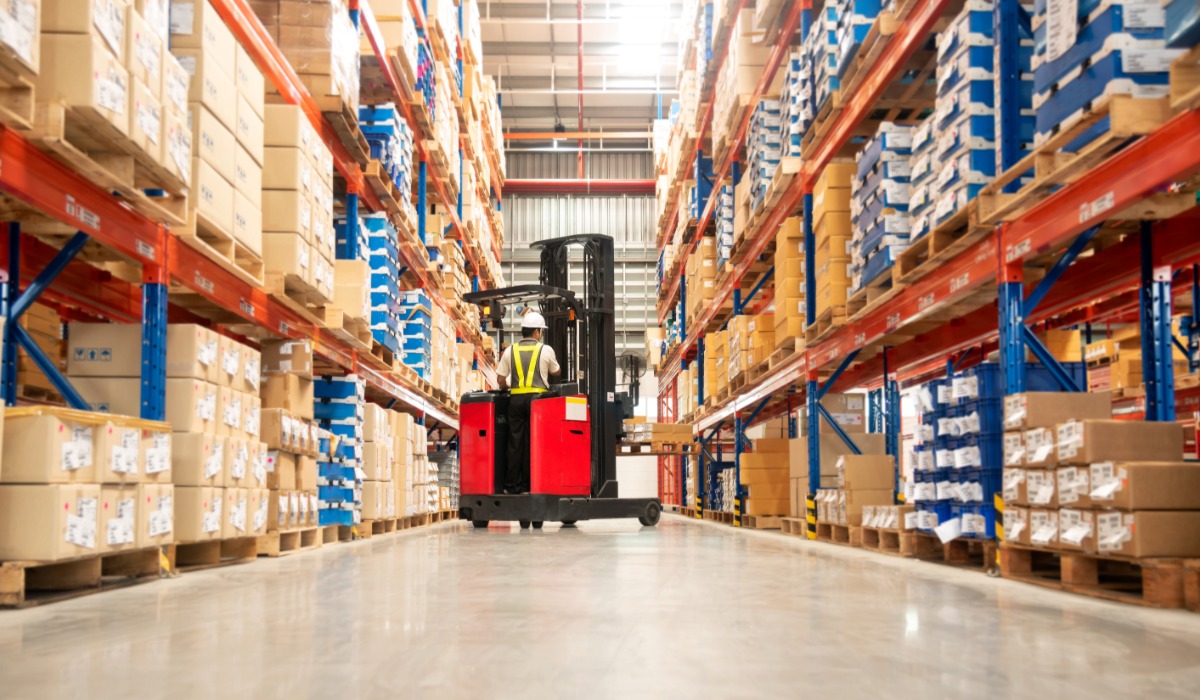
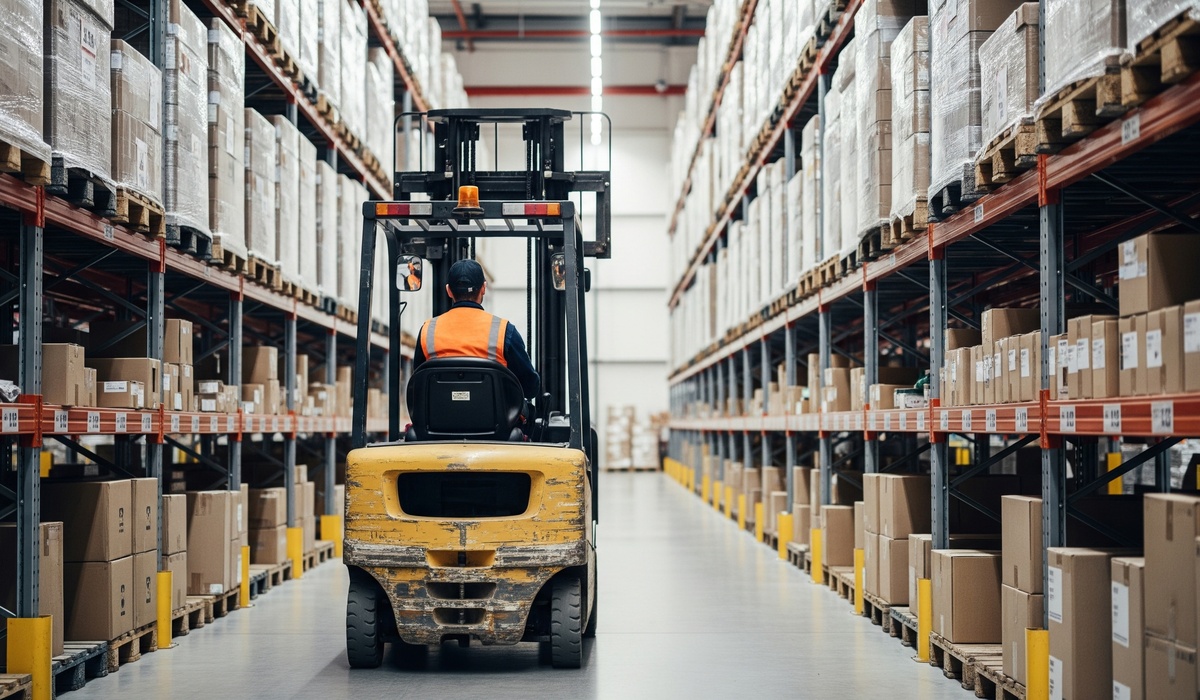
Excavators, loaders, cranes, forklifts, and trucks demand clear communication. Operators often work with limited visibility, and ground workers may enter a blind spot without realizing it. Noise can hide alarms, warnings, and approaching vehicles.
Crews should establish travel paths and keep pedestrians away from active equipment zones. Spotters need a clear view of the operator and surrounding area. Everyone should use agreed hand signals or radios, and one designated person should direct each movement. Conflicting instructions can confuse an operator at the worst time.
Workers should never assume that an operator sees them. Eye contact or direct confirmation provides a safer standard. Operators also need time to inspect equipment before use. Fluid leaks, damaged alarms, worn tires, and faulty lights can turn routine movement into a dangerous event.
Clutter spreads quickly across a busy project. Cutoffs, cords, hoses, fasteners, and packaging may seem harmless when crews focus on larger hazards. Those items can still cause trips, punctures, blocked exits, and damaged equipment.
Teams should assign cleanup responsibilities throughout the day instead of saving housekeeping for the final hour. Workers can return tools after use, route cords away from walkways, and place waste in designated containers. Clear access routes help crews move safely during normal operations and emergencies.
Storage choices also affect safety. Unstable stacks can shift or collapse, while materials near stairs can narrow the path. Crews should secure materials and keep emergency equipment easy to reach.
A damaged tool often shows warning signs before it fails. Frayed cords, missing guards, cracked handles, unusual vibration, and inconsistent performance all deserve attention. Workers sometimes keep using the tool because they want to finish one more cut or avoid a delay. That choice can cause cuts, shocks, burns, or flying debris.
Every worker should inspect tools before use and report defects immediately. Teams need a clear process for tagging damaged equipment and keeping it out of circulation. A verbal warning alone may not stop another worker from picking up the same tool later.
Workers should also use each tool for its intended purpose. A screwdriver shouldn’t replace a pry bar, and a grinder shouldn’t operate without its guard. Improvised methods can place hands and bodies in dangerous positions.
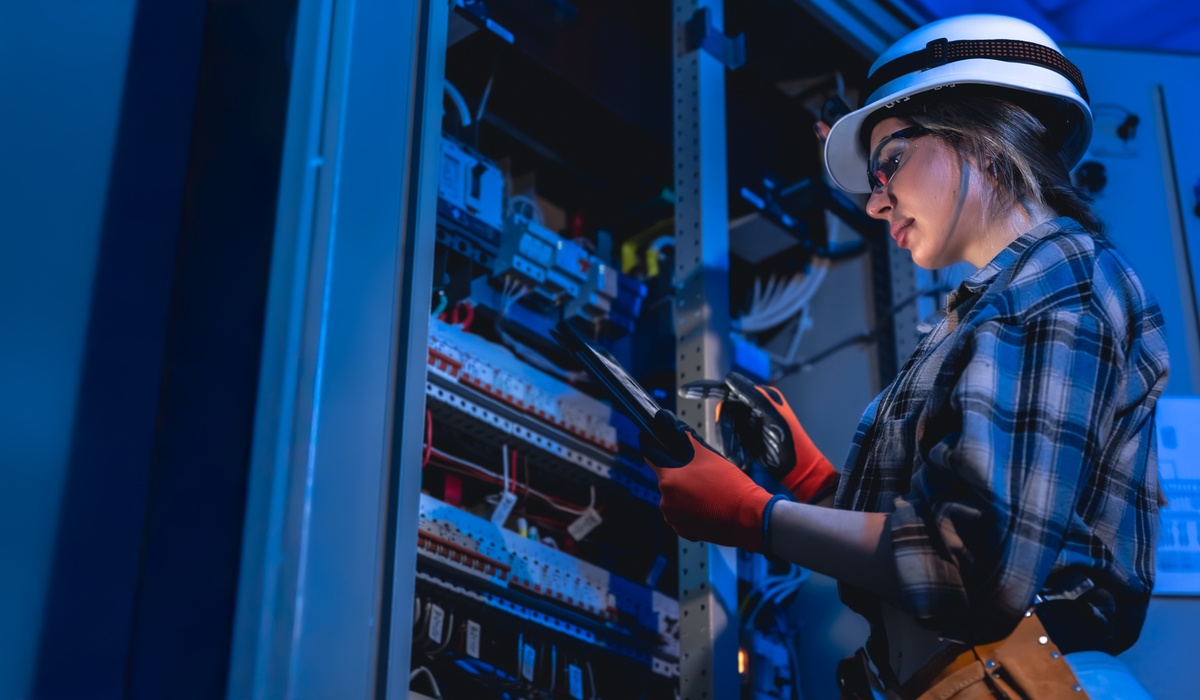
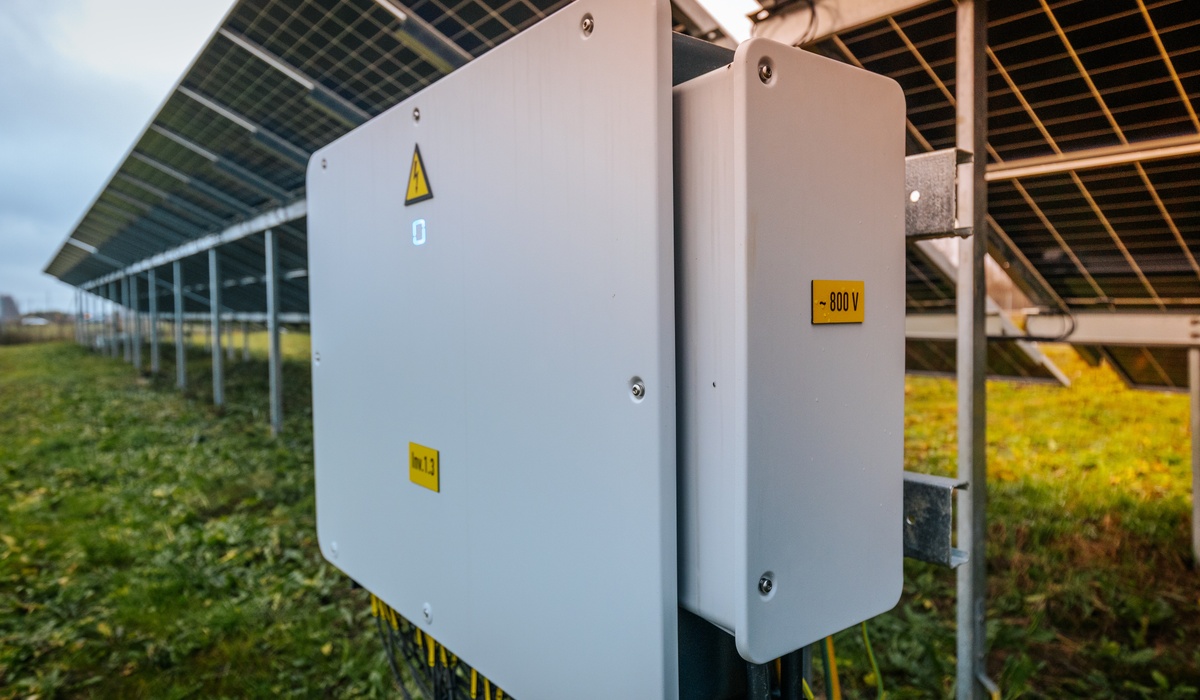
Temporary power systems often run through crowded, changing areas. Cords cross floors, portable lights move between rooms, and tools connect to multiple sources. Damaged insulation, wet conditions, overloaded circuits, and missing ground-fault protection can expose workers to shock or fire.
Crews should inspect cords and plugs, keep connections away from water, and use approved power distribution equipment. Workers need to avoid makeshift repairs with tape or exposed wiring. Qualified personnel should handle electrical repairs and lockout procedures.
Teams must also look above before moving ladders, scaffolds, or long materials. Overhead power lines can create deadly contact even when equipment doesn’t touch the line. Safe clearance and careful planning help crews control that risk.
A dropped tool that narrowly misses a worker or a vehicle that stops just in time offers a valuable warning. Some crews dismiss near misses because no injury occurred. That response wastes a chance to correct the condition before the next incident.
Workers should report near misses without fear of blame. Supervisors can review what happened, identify the cause, and adjust the work plan. The goal should center on prevention, not punishment. When leaders respond with respect and action, workers feel more comfortable raising concerns.
Near-miss reports can reveal repeated problems. Several small events around one access point may show poor traffic control. Repeated slips in one area may point to drainage or cleanup issues. Early action can stop those patterns from turning into injuries.
Team members will avoid construction safety mistakes when they understand what puts others at risk. Crews reduce risk when they plan each task, use the right equipment, communicate clearly, and correct hazards as soon as they appear.
Leaders also need to model the behavior they expect. Workers notice when supervisors ignore protective gear, rush equipment checks, or walk past clutter. Consistent actions give safety rules credibility and show that deadlines never outrank human well-being.
Every site will face changing conditions and unexpected problems. A crew can still control how it responds. When workers treat safety as part of the job rather than an interruption, they protect coworkers, strengthen the project, and create a workplace where everyone has a better chance of going home healthy.
About The Author