
Coastal Resurgence: How the Northeast Solidified a Progressive Supermajority from New England to the Mid-Atlantic
- Ingrid Jones
- North East USA
- November 4, 2026
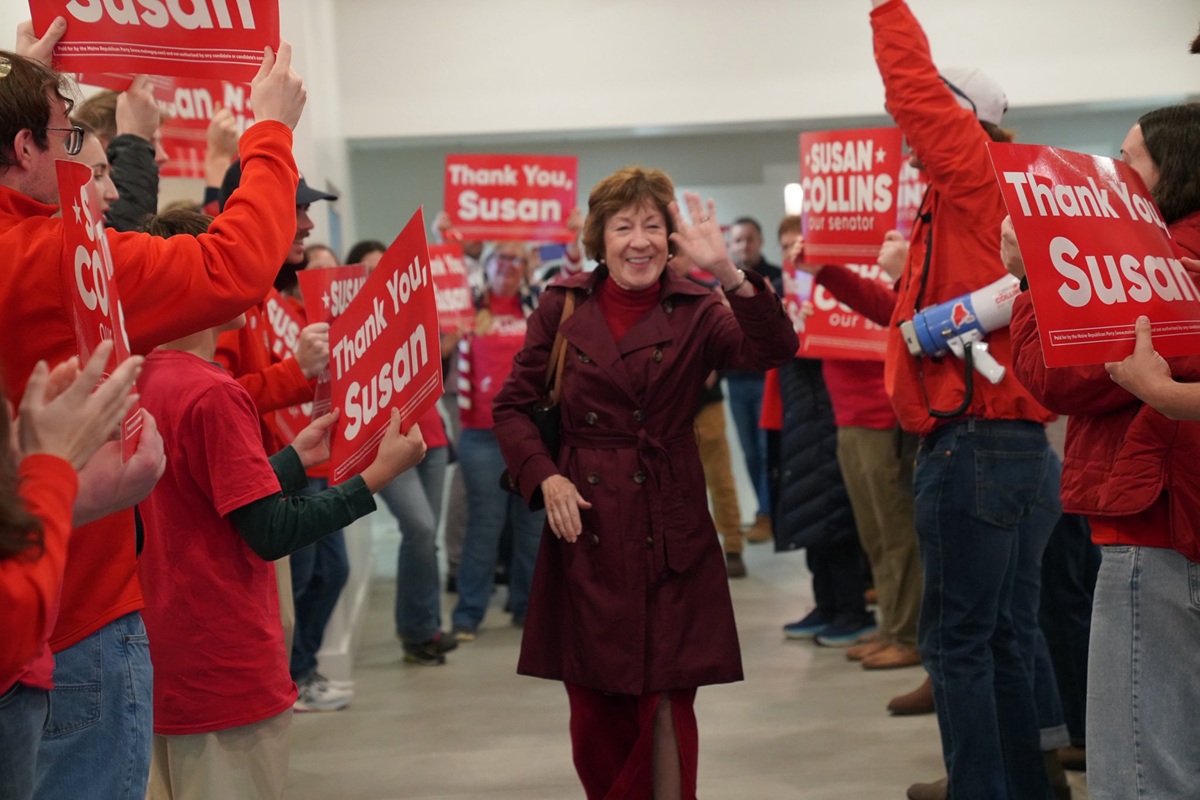
Image Credit: Senator Collins Campaign
Across the northeastern corridor, from the coastal cities of New England down through the densely populated suburban belts of Pennsylvania, New York, and New Jersey, election night delivered a decisive validation of progressive governance. The region, already recognized as a stronghold for reform-minded policies, saw its Democratic majorities expand to historic proportions. High voter turnout driven by urban hubs and key suburban counties produced a clean sweep of contested legislative seats, state executive offices, and federal congressional delegations. The night represented not merely a political victory, but a resounding endorsement of policies focused on climate action, social safety nets, and economic equity.
In Pennsylvania, all eyes were focused on the governor’s mansion and critical congressional districts that had previously served as national bellwethers. Incumbent Democratic Governor Josh Shapiro secured a commanding reelection victory over Republican challenger Stacy Garrity. Shapiro carried key suburban counties around Philadelphia, including Montgomery, Chester, Bucks, and Delaware, by margins never before seen in state history, while maintaining strong support in Allegheny County. Voters highlighted state-level protections for reproductive health, investments in public transit, and comprehensive environmental protection standards as the primary motivators behind their high participation rates.
In a historic political shakeup, Democrat Troy Jackson has unseated longtime Republican Senator Susan Collins, ending her 30-year tenure in Maine. Jackson stepped into the high-stakes race after original nominee Graham Platner withdrew amidst mounting controversy, ultimately launching Jackson to a dramatic victory over the famous GOP moderate.
Further north in New England, the wave swept through both statehouses and congressional races with equal force. In Massachusetts, Connecticut, and Rhode Island, voters reelected progressive candidates with overwhelming majorities while simultaneously approving state ballot measures aimed at expanding public education funding and enacting higher tax rates on high-income earners. Even in states with traditional fiscal conservative leanings, such as New Hampshire and Maine, suburban voters turned out in force to support Democratic candidates, driven by concerns over national civil rights issues and climate change mitigation strategies along the vulnerable Atlantic coastline.
New York and New Jersey provided key structural victories that helped secure a commanding Democratic majority in the United States House of Representatives. Suburban districts on Long Island and in Northern New Jersey, which had flipped back and forth in previous midterm cycles, returned decisively to the Democratic column. Local campaign coordinators pointed to strong community-level ground games that focused on lowering everyday costs for commuting families, enhancing public safety, and defending democratic institutions. The high level of engagement among suburban women and young voters ensured that even high-margin suburban districts saw significant turnout boosts compared to prior non-presidential election years.
The broader systemic impacts of this Northeastern landslide began to take shape before the final ballots were fully tallied. State legislative leaders announced plans to push forward ambitious regional legislative packages aimed at combating climate change through offshore wind developments, modernizing interstate rail systems, and guaranteeing universal pre-K education across state lines. The unified political alignment across the region established the Northeast as a powerful legislative laboratory, ready to set aggressive policy standards that could serve as blueprints for federal initiatives.
As dawn illuminated the coastal skylines of Boston, New York, and Philadelphia, the results painted a picture of absolute political consolidation. The Northeast had not merely resisted national conservative movements; it had actively expanded its vision of progressive federalism. The election outcomes confirmed that suburban and urban voters throughout the region remained firmly united behind a shared vision of social justice, environmental stewardship, and economic modernization, ensuring that the region would continue to lead the national policy conversation for years to come.
About The Author


