Blinking at the Border: Why Trump Halted 50% Tariffs on Canadian Goods
- Ingrid Jones
- Canada
- August 19, 2026
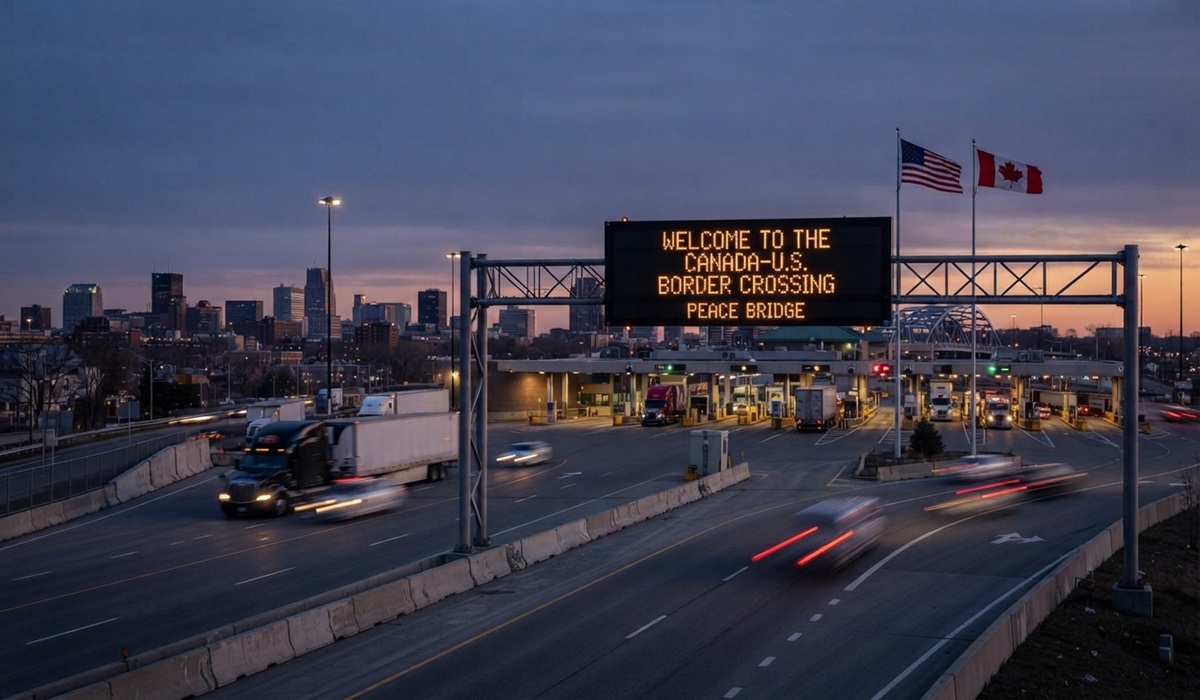
The bilateral relationship between Ottawa and Washington has once again navigated a period of high-stakes brinkmanship as Canadian officials work to neutralize an aggressive economic policy emanating from the south. The immediate crisis centers on a sweeping fifty percent tariff proclamation issued by the Trump administration under Section 338 of the Tariff Act of 1930, a long-dormant statutory weapon resurrected by the White House to target Canadian commerce. Yet this impending trade disruption did not materialize in a vacuum. The roots of this confrontation trace directly back to a sequence of retaliatory measures enacted by Canadian provinces and the federal government, responding in kind to a barrage of protectionist policies imposed by President Donald Trump.
Tensions escalated sharply after Canadian jurisdictions moved to restrict or outright ban American alcohol products and instituted strict quotas on tariff-free American vehicle imports, pushing back against persistent economic pressure from the White House and repeated threats to the foundational dairy supply management system. Compounding the administration’s frustration is a broader geopolitical shift orchestrated by Ottawa. In an effort to insulate domestic industries from the erratic policy swings of the current U.S. leadership, the federal government has aggressively forged a series of major trade and energy agreements globally, actively partnering on resource and infrastructure projects across Asia and Europe. By expanding non-U.S. export channels and securing alternative global alliances, Canada has demonstrated an economic independence that has visibly frustrated Washington.
President Donald Trump moved quickly to contest these domestic moves, defending his aggressive trade stance on social media by stating, “I have paused the 50% Tariffs against Canada, that were scheduled to kick in tomorrow morning for a three-day period, based on the fact that Canada and the USA, subject to the finalization of documents, have a DEAL!” Prior to this eleventh-hour pivot, the U.S. administration had designed the Section 338 duties as a punitive shock, targeting billions of dollars in Canadian goods ranging from cement and industrial machinery to wood products and textiles. Because these draconian duties were engineered to apply based on the exact moment goods clear American customs rather than when they ship, the border faced immediate administrative paralysis. Exporters and industry groups across the nation warned of catastrophic supply chain disruptions, viewing the arbitrary timeline as a display of intense political pressure meant to force unilateral concessions from Ottawa.
However, the aggressive posture adopted by the White House follows a familiar, brittle pattern where manufactured crises give way to tactical retreats when confronted with economic reality. As former Prime Minister Jean Chretien famously observed regarding the deep integration of the continent, economic warfare of this magnitude hurts the United States far more than it hurts its northern neighbor. Because American manufacturers and consumers rely heavily on uninterrupted access to Canadian materials, energy inputs, and integrated supply chains, weaponizing the border inflicts severe self-harm on the American economy.
Recognizing this structural vulnerability, the administration in Washington was forced to blink at the final hour, agreeing to postpone the implementation of the tariffs to allow for further negotiations. While the temporary extension provides a brief window of relief, the underlying structural conflict remains entirely unresolved. As Prime Minister Carney noted, intensive discussions are ongoing to address outstanding trade issues and deliver greater certainty, even as the country maintains its focus on building a stronger, more independent, and more competitive economy at home. The ongoing showdown serves as a stark reminder that the future of North American trade will no longer be dictated by unchecked intimidation, but by mutual economic gravity.
About The Author