Arab Sports Diplomacy: From Berkane to Shining on the Global Stage
- Mariya EL amraoui
- Sports
- June 13, 2026
By Mariya El Amraoui El-Hashemi
Director of International Relations for International Journalism
Supervised by:
Professor Ouadie Elhamel
Organization: Elatmi Fatima Zahra
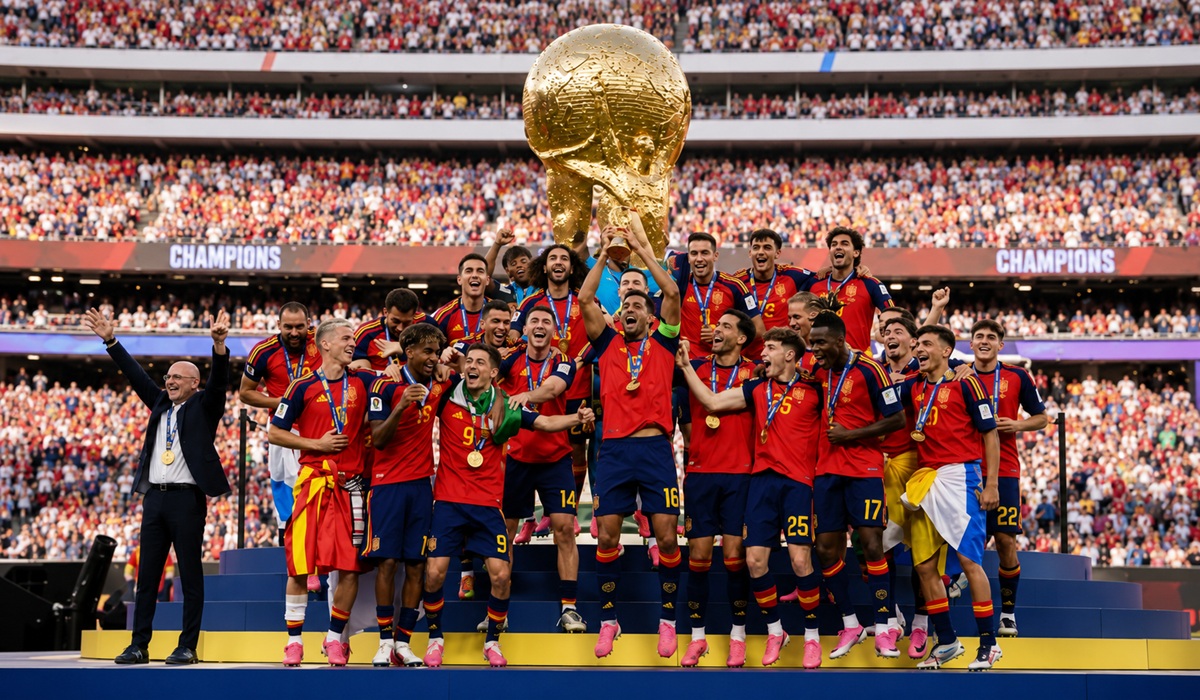
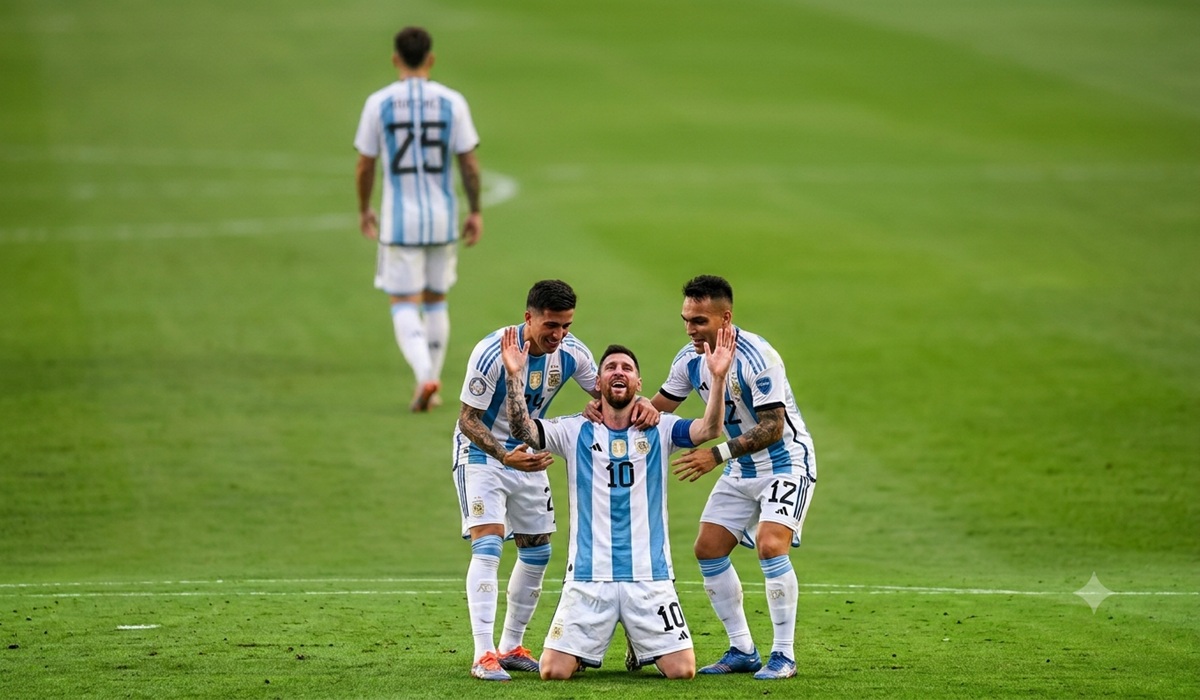
Sport is no longer defined solely by competition and results. Across the world, it has become a powerful instrument of soft diplomacy, capable of shaping perceptions, strengthening international relations, and fostering dialogue among nations. In the Arab world, sports diplomacy has emerged as a strategic tool that enhances regional influence, promotes cultural understanding, and creates connections that often transcend political differences.
Sport: A Shared Language Beyond Borders – Sport possesses a unique ability to unite people across cultures, languages, and national boundaries. Arab nations have increasingly demonstrated this power by hosting major international competitions that have reshaped global perceptions of the region. From the FIFA World Cup Qatar 2022 to the AFC Asian Cup and various Arab Club Championships, sporting events have brought together millions of supporters under a common passion.
Fans from the Gulf, the Maghreb, and the Levant celebrate victories, share emotions, and engage with one another through a universal language that requires no translation. This sense of connection and shared identity forms the foundation of Arab sports diplomacy and highlights the role sport can play in strengthening regional and international relationships.
Hosting Major Events: A Message to the World – When an Arab country hosts a major sporting event, it is doing far more than organizing competitions. It is presenting a narrative about its people, culture, values, and organizational capabilities. These events offer an opportunity to challenge misconceptions and showcase the region’s ability to deliver world-class experiences.
The FIFA World Cup Qatar 2022 provided a powerful example of this approach. Beyond the matches themselves, the tournament demonstrated the region’s hospitality, infrastructure, and openness to international visitors. Similarly, events such as the World Athletics Championships in Doha and the Spanish Super Cup in Saudi Arabia have served as important platforms for engaging global audiences and influencing international public opinion.
Athletes as Unofficial Ambassadors – Athletes often become some of the most effective ambassadors a nation can have. Their achievements, character, and visibility on the international stage help shape perceptions far beyond the sporting arena.
Figures such as Mohamed Salah, Achraf Hakimi, and Sami Al-Jaber have become recognized symbols of Arab excellence in sport. Through their success, they have helped break down stereotypes, inspire younger generations, and foster greater cultural understanding across continents. Supporting and promoting these success stories is an essential component of modern sports diplomacy, as these athletes carry with them the image and values of their countries wherever they compete.
The Foundation of Success: RS Berkane Academy as a Model – Sports diplomacy does not begin in international stadiums. It begins at the grassroots level, where young athletes are developed both as competitors and as citizens. In this regard, the RS Berkane Academy in Morocco offers an inspiring example of how local investment can generate international impact.
The academy’s mission extends beyond producing professional football players. It emphasizes discipline, teamwork, responsibility, and personal development. As graduates move on to compete in African and European leagues, they become ambassadors not only for the club but also for the city of Berkane and for Morocco as a whole.
The success of RS Berkane Academy demonstrates that investing in youth development is also an investment in long-term diplomatic influence. Every player who succeeds abroad carries with them a piece of their nation’s culture, values, and identity. This represents soft power at its most fundamental level—built from the ground up through education, opportunity, and sport.
Challenges and Opportunities – Despite significant progress, Arab sports diplomacy continues to face important challenges. These include the absence of a unified regional strategy, limited investment in certain areas of sport—particularly women’s and individual sports—and the need to better connect sporting initiatives with broader sustainable development goals.
At the same time, the opportunities are substantial. The global sports economy continues to expand, Arab youth are increasingly seeking international representation and success, and sports media has become one of the most influential communication platforms in the world. Successful models such as the RS Berkane Academy provide a roadmap for future growth, demonstrating how investment in local infrastructure and youth development can produce lasting diplomatic and social benefits.
Arab sports diplomacy is no longer a luxury; it is a strategic necessity. It offers an opportunity to strengthen international presence, challenge outdated stereotypes, and build new partnerships across regions and cultures. Investing in sport means investing in soft power, national reputation, and future generations.
Whether it begins in a youth academy in Berkane or culminates on the stage of a World Cup final in Doha, the message remains the same: sport is one of the most effective bridges between peoples and nations. Through athletes, institutions, and international events, the Arab world continues to demonstrate how sport can serve not only as a competition, but as a force for diplomacy, understanding, and global engagement.
This version preserves virtually all of the original ideas while removing redundancy, strengthening transitions, and giving it the tone of a polished international affairs and sports diplomacy article.
About The Author