APEC Z-lens ④ Learning about APEC from experts: A bridge that connects us
- Zeling Zhang
- China
- November 18, 2026
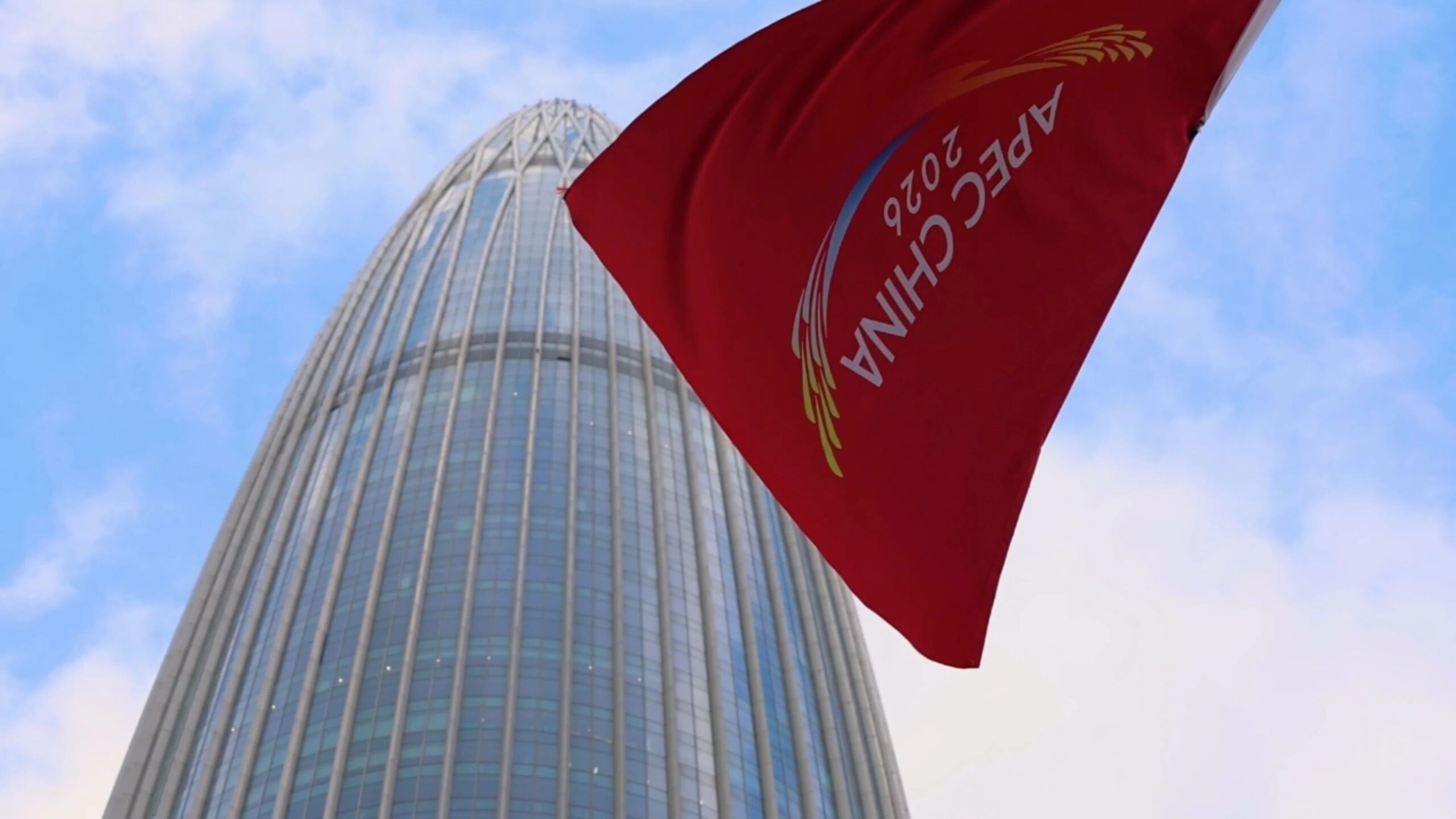
With the 33rd APEC Economic Leaders’ Meeting approaching, I’ve been thinking about what these meetings really mean. As a young Singaporean studying in Shenzhen, I wanted to know: What difference can APEC make to the Asia-Pacific region and to the lives of ordinary people?
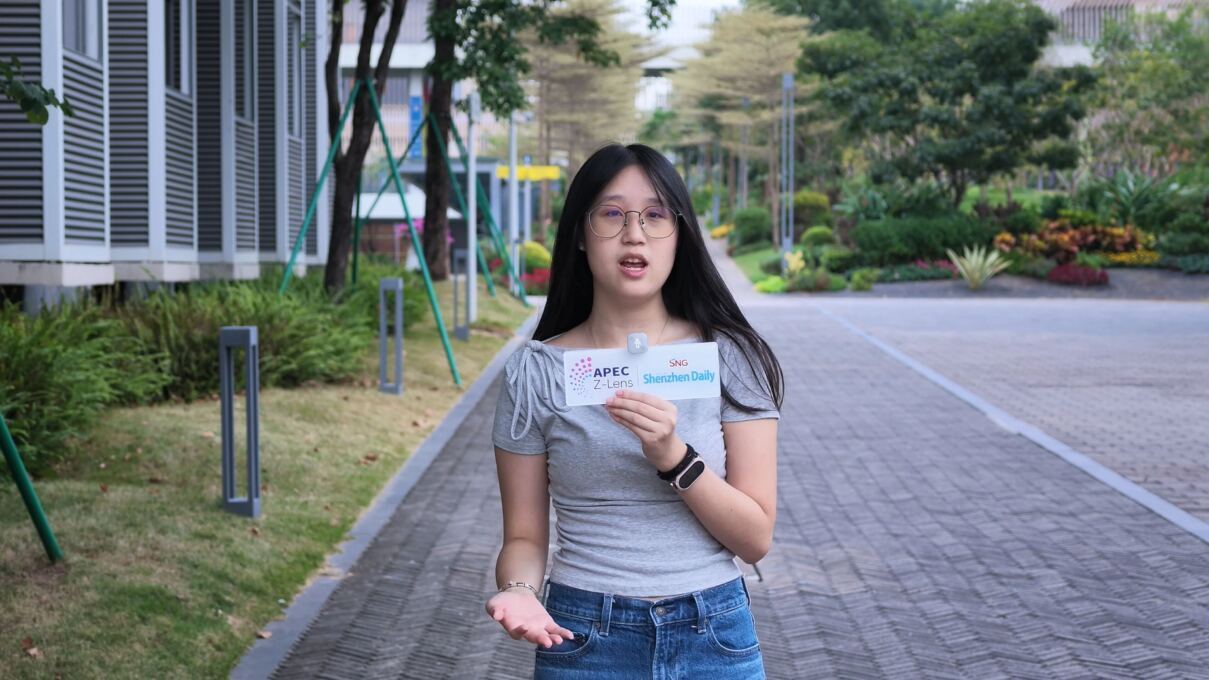 Wee Leng Hym Sonya from Singapore is a member of the APEC Z-lens reporting team.
With these questions in mind, I joined the APEC Z-lens reporting team and had the chance to speak with several scholars. Their insights helped me see APEC in a more concrete way, beyond what I had learned from textbooks.
APEC began with the courage to shape a shared future
In my interview with Laurie Pearcey, adviser to the president of The Chinese University of Hong Kong, Shenzhen (CUHK-Shenzhen), one idea stood out: APEC is about “daring to shape its own future.”
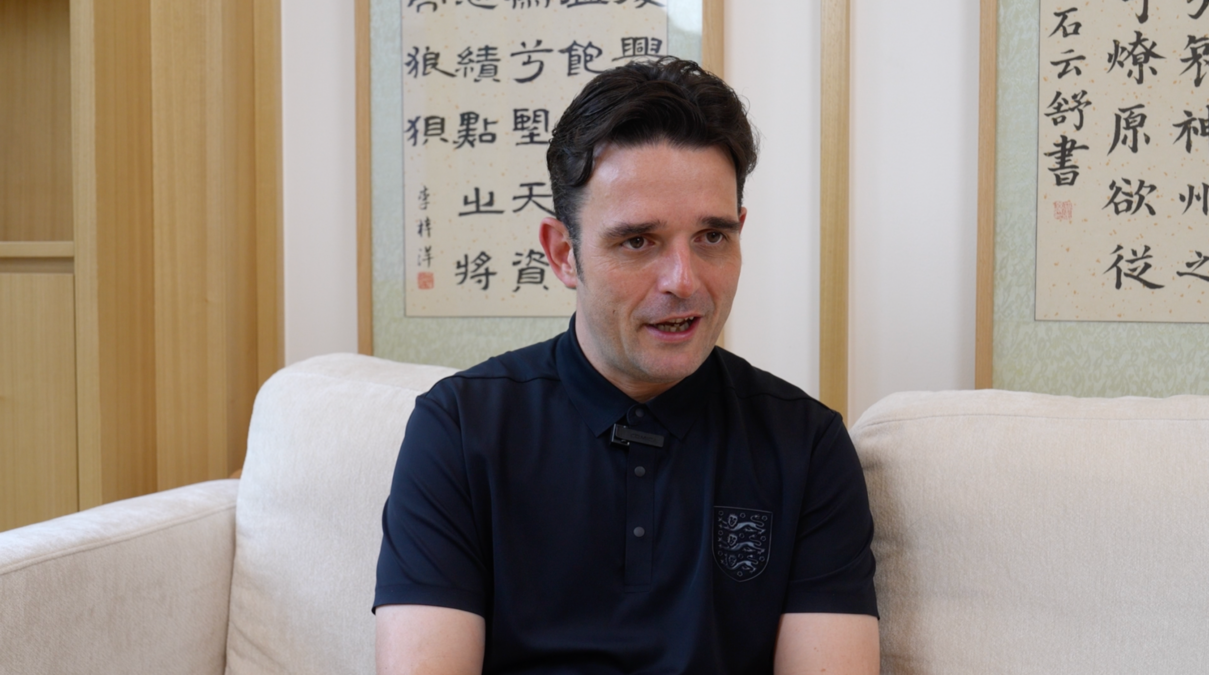 Laurie Pearcey, adviser to the president of The Chinese University of Hong Kong, Shenzhen (CUHK-Shenzhen), at an interview with the APEC Z-lens reporting team
Founded in Canberra, Australia, in 1989, APEC emerged as globalization was gathering pace and economies were looking for ways to break down trade barriers and deepen cooperation. As Pearcey put it, “We should remember where APEC came from, and make sure it remains fit for purpose and effective in the 21st century.”
His words made me think about everyday life on my campus in Shenzhen. Students from different countries and regions study and interact with one another, while many of the conveniences we take for granted are made possible by openness and cooperation.
That made APEC feel less like a distant international forum and more like a shared choice: to stay open and move forward together.
Behind the numbers: Trade and everyday life
Jose Carlos Feliciano, associate director at Peru’s Universidad del Pacífico, helped me understand how APEC connects economies through trade. He said, Peru and China have a history of cooperation dating back to the early 1970s, and their ties have grown closer through APEC. When Peru hosted APEC in 2024, the two countries signed a number of agreements. Today, more than 30% of Peru’s exports go to China, while nearly 30% of its imports come from China.
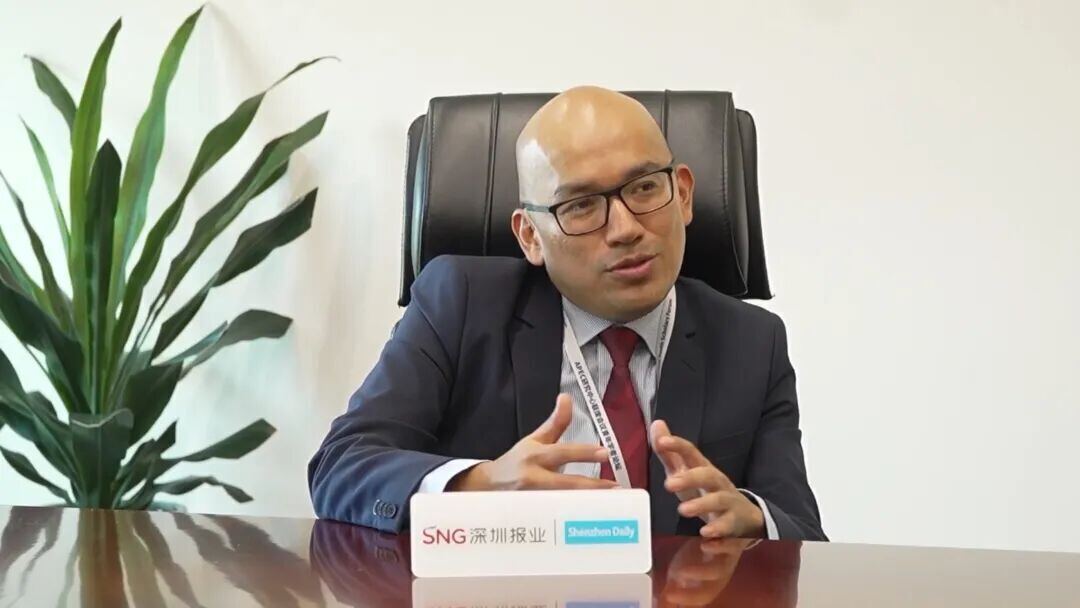 Jose Carlos Feliciano, associate director at Peru’s Universidad del Pacífico, at an interview with the APEC Z-lens reporting team.
As I noted down these figures, they began to feel less like statistics. Behind them are ports, business orders and jobs, but also the products on supermarket shelves and the everyday choices of ordinary families.
Trade is not just about numbers. It shapes how people live.
When technology moves fast, cooperation matters more
Hwanil Park, chair of the APEC Policy Partnership on Science, Technology and Innovation, offered another perspective on what innovation means for the region.
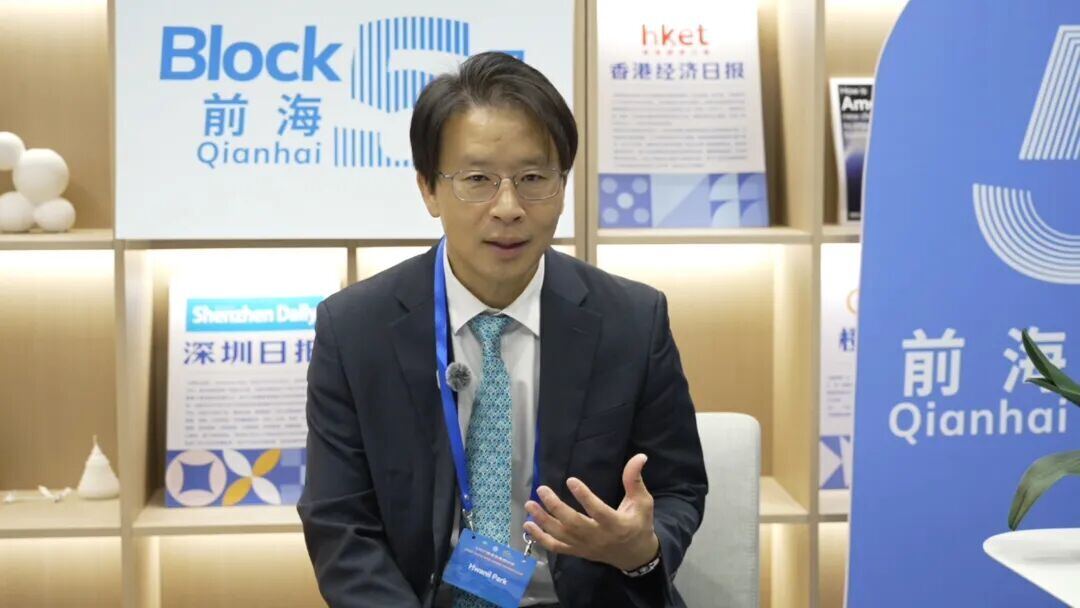 Hwanil Park, chair of the APEC Policy Partnership on Science, Technology and Innovation, at an interview with the APEC Z-lens reporting team.
He pointed out that APEC economies are at very different stages of AI development. Building AI models and technologies is important, but so is putting them to use across different industries. At the same time, questions of ethics and responsibility cannot be overlooked.
No single economy or organization can address these challenges alone. APEC provides a platform for economies to share knowledge and experience and learn from one another.
His comments reminded me of Shenzhen’s fast-moving tech scene. New technologies are emerging all the time, but the faster they develop, the more important it becomes to discuss how they should be used, who should be responsible and how their benefits can be shared.
Shenzhen: A city, also a bridge
In Pearcey’s view, Shenzhen is a natural host for APEC. When APEC was founded in 1989, few could have imagined what Shenzhen would become today.
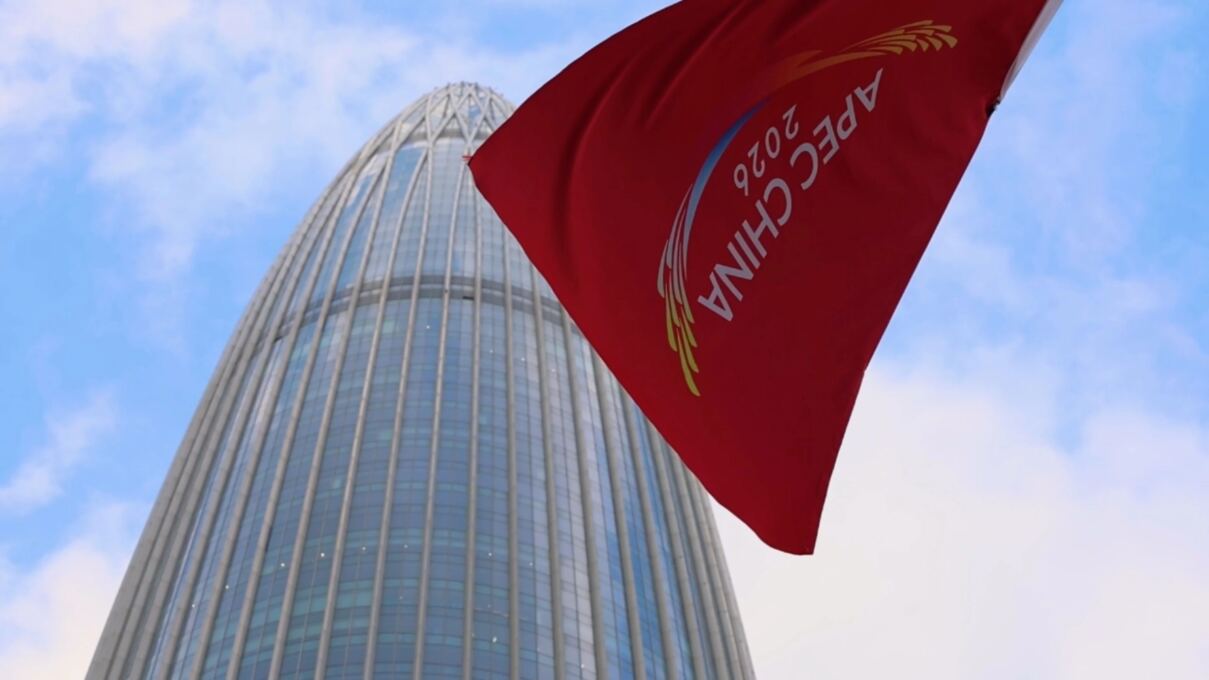 The 33rd APEC Economic Leaders’ Meeting will be held in Shenzhen from tomorrow to Thursday.
Shenzhen’s growth was closely tied to its establishment as China’s first special economic zone, which then opened its door to trade, foreign investment and the movement of people and goods across borders. In many ways, Pearcey said, this reflects the very spirit of APEC. He believes Shenzhen can serve as an even stronger bridge between economies, and that hosting this year’s meeting is an opportunity to strengthen that role.
As a Singaporean student living in Shenzhen, I feel a personal connection to this idea of a bridge. On campus and around the city, I see people, ideas and opportunities moving across borders.
The interviews also helped me see APEC from a different perspective. Beyond promoting regional economic growth, it helps create connections that can make a tangible difference to everyday life, from the goods we buy to the technologies we use.
As Pearcey pointed out, this year’s APEC meeting is a great opportunity for Shenzhen to strengthen its role as a bridge between economies and cultures. As a student studying in Shenzhen, I hope I can play a similar role by helping more people get to know Shenzhen and Singapore and bringing the two closer through greater exchange and mutual understanding.
(Wee Leng Hym Sonya, Chen Siqi)
About The Author