By: Donovan Martin Sr., Editor-in-Chief
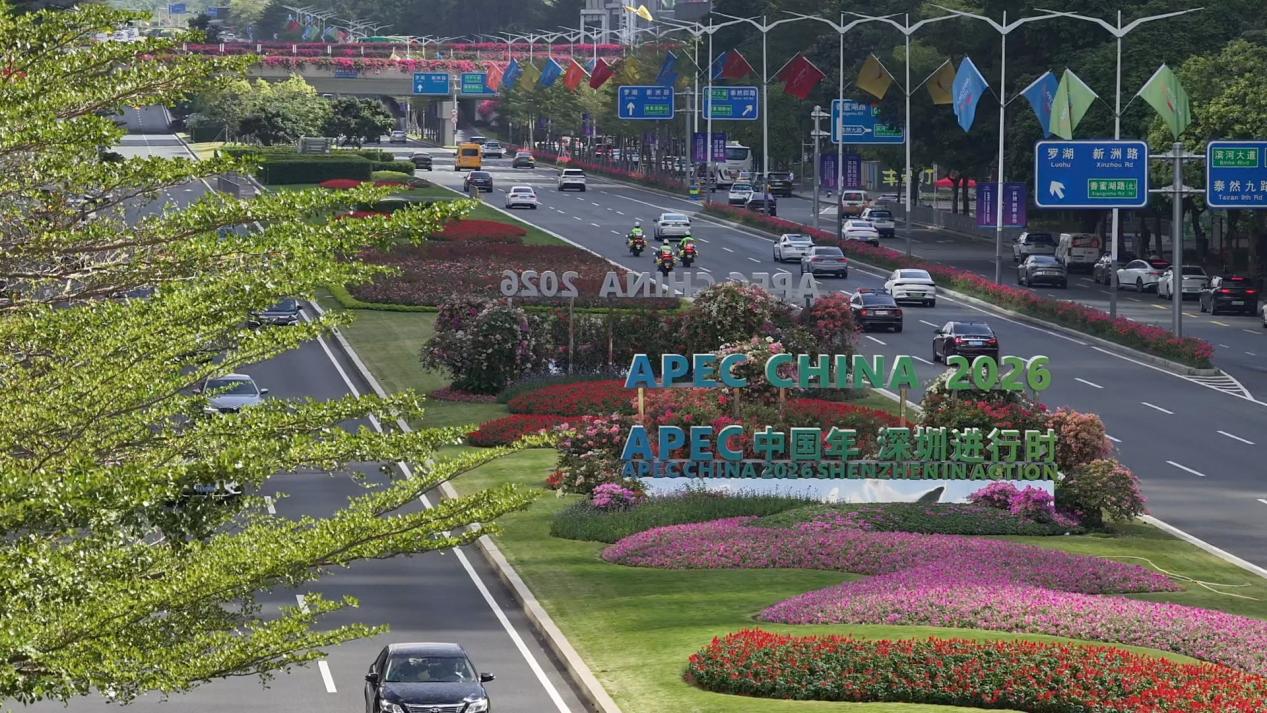
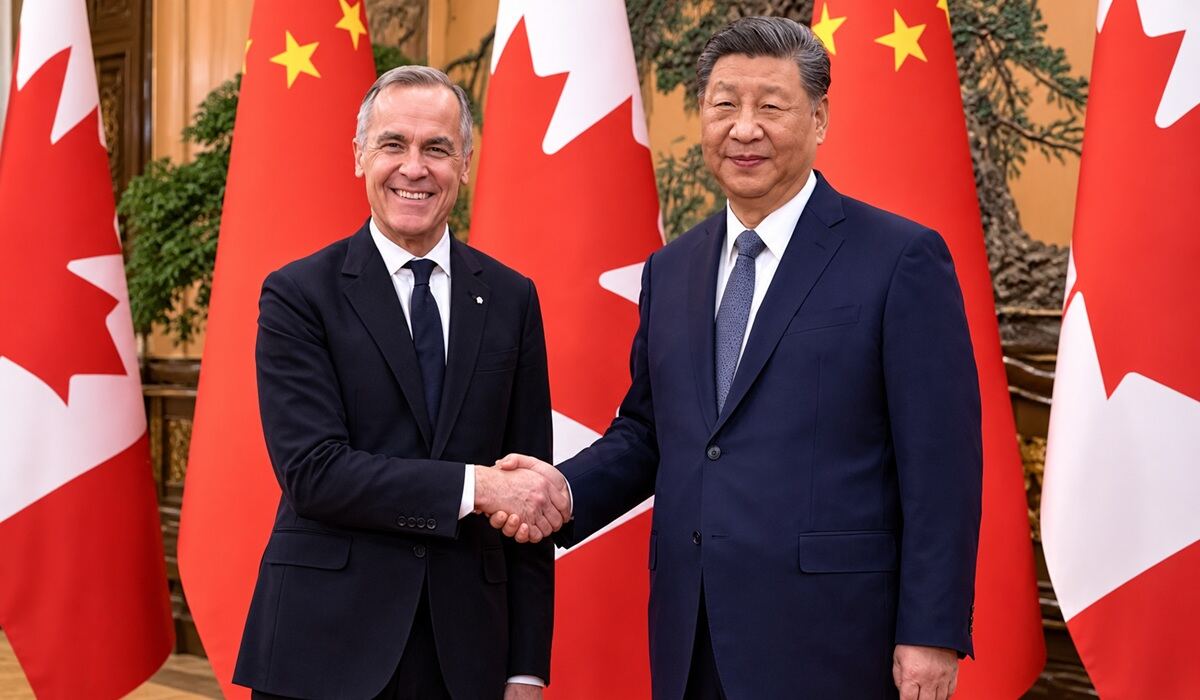
Diplomatic engagement in the technology and manufacturing hub of Shenzhen on Tuesday established a profound turning point in bilateral relations, producing a major breakthrough in commercial diplomacy ahead of the official Asia-Pacific Economic Cooperation gathering. The high-stakes meeting at the Kylin Villa State guesthouse yielded a comprehensive trade arrangement designed to dismantle multi-million-dollar tariff barriers, ease longstanding commercial restrictions, and deepen institutional and cultural cooperation between two nations seeking predictable economic pathways. Coming on the heels of an earlier milestone dialogue in Beijing earlier in the year, this second in-person leadership summit underscored a deliberate diplomatic push to establish stability with the world’s second-largest economy while navigating a volatile and increasingly fragmented global trade environment.
The cornerstone of the discussions centered on tangible economic deliverables crafted to support agricultural producers and maritime harvesters in North America while securing reliable supply chains for the host administration. Canadian officials announced that Beijing has agreed to cut tariffs on approximately four hundred million dollars worth of national exports annually. Specifically, the agreement eliminates a twenty-five per cent tariff on key goods, including frozen pork cuts, frozen cold-water shrimp, Greenland halibut, select mollusks, and sea cucumber. This expansion builds directly upon a preliminary arrangement established in January that had already restored roughly seven point five billion dollars in commercial market access by lifting previous bans on items such as canola meal and crab.
In reciprocating these concessions, the federal administration in Ottawa agreed to extend existing tariff remission measures for certain steel and aluminum products by two years beyond their upcoming expiration, while adding thirty-two specific steel and aluminum tariff items where domestic industrial supply falls short. Furthermore, the negotiated package incorporated multi-million-dollar commitments toward environmental cooperation and academic student exchanges, the official designation of 2027 as a bilateral year of e-commerce, and a planned major trade expansion supported by new airline flight routes between Western Canada and Guangdong slated to launch in May. Both administrations also welcomed over fifteen million dollars in collaborative arts and culture agreements, alongside the formation of a new bilateral chief executive roundtable designed to encourage ongoing private-sector dialogue.
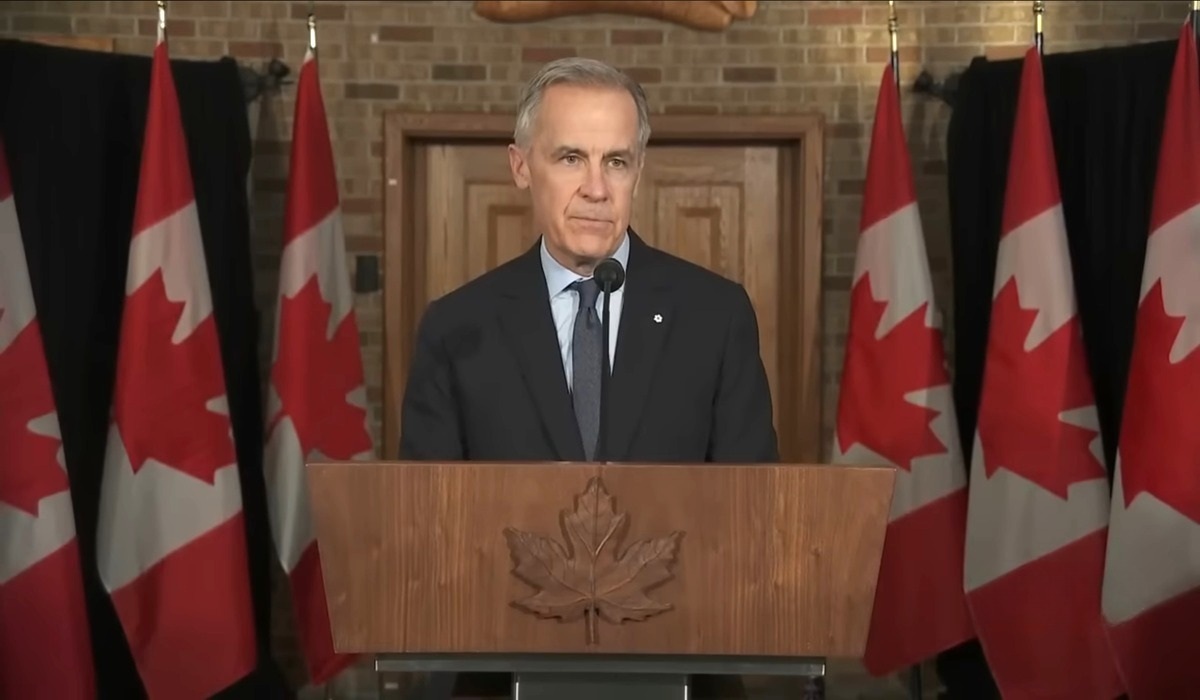
Reflecting on the comprehensive package of agreements, the Canadian leader hailed the new arrangements as an essential step toward establishing greater predictability and stability in the relationship. Ottawa emphasized that the country is currently well ahead of schedule in its broader economic strategy to boost national exports to the Asian market by fifty percent by the end of the decade, framing the partnership as a vital measure to diversify trade and reduce heavy economic reliance on single markets. Speaking on the broader trajectory of cooperation, Prime Minister Mark Carney remarked that the countries are successfully building a modernized framework for commerce, stating that the relationship is entering a constructive phase defined by mutual engagement and practical economic outcomes.
From the host nation’s perspective, the Chinese head of state underscored the positive momentum achieved since the two countries initially agreed to advance their strategic partnership. Beijing noted that diplomatic exchanges, commercial linkages, and cross-sector cooperation have fully resumed across various fields, providing a solid foundation for regional stability. In official remarks during the Shenzhen meeting, President Xi Jinping stated that since the two countries agreed earlier in the year to advance the strategic partnership, exchanges and cooperation across various fields have fully resumed and continue to deliver meaningful benefits to both peoples.
The significance of this bilateral meeting extends far beyond regional trade ledgers, resonating deeply within the broader geopolitical architecture of the Asia-Pacific region. For Ottawa, the Shenzhen summit represents a pragmatic recalibration of foreign policy, demonstrating a willingness to engage directly with major economic powerhouses through patient diplomacy and sector-specific negotiations. For Beijing, cementing stable trade ties with a major G7 nation ahead of hosting the broader APEC leadership meetings highlights a sustained push for multilateral commercial engagement and regional supply chain integration. As global leaders gather to debate the future of international commerce, the understandings reached between the two governments serve as a prominent example of how bilateral diplomacy can successfully untangle complex regulatory hurdles in pursuit of shared economic prosperity.
About The Author