
Trapped by Design: How Inelastic Demand and Profit Extraction Weaponized American Healthcare
- TDS News
- U.S.A
- November 16, 2026
By: Donovan Martin Sr., Editor-in-Chief
In standard economic theory, free markets operate on a delicate and elegant feedback loop governed by supply and demand. When the price of a good or service rises, consumers naturally pull back, seeking substitutes or forgoing consumption entirely. Sellers facing lower demand adjust their prices downward to remain competitive. This self-correcting mechanism is supposed to optimize resource allocation, drive innovation, and keep prices tethered to consumer utility. Yet when applied to American healthcare, this foundational pillar of market capitalism shatters entirely. The United States healthcare system stands as a glaring anomaly among developed nations not because it lacks capital or technological brilliance, but because it applies a free market commodity model to a domain governed by absolute human desperation. At the center of this structural failure lies a single and merciless economic principle known as inelastic demand. Understanding how inelastic demand operates and how it has been weaponized within the American medical industrial complex reveals why ordinary citizens face financial ruin simply for staying alive while citizens in other developed and medical tourism nations enjoy proactive and comprehensive preventative care that treats the human body as a living system rather than a profit extraction engine.
To grasp why the American medical market inflicts such profound harm on its populace, one must first dissect the concept of price elasticity of demand. In microeconomics, elasticity measures how drastically consumers alter their purchasing behavior when a price changes. Elastic demand applies to non essential or substitutable goods such as luxury vacations, gourmet coffee, or brand name cereal. If the price of a specific brand of cereal doubles, consumers switch to a competitor or buy oatmeal instead, causing demand to drop sharply. Inelastic demand applies to absolute necessities with few or no substitutes. If the price of water, basic electricity, or life saving medication spikes, consumers cannot simply stop consuming or substitute it with something cheaper. They pay whatever is required because the alternative is catastrophic injury or death. Healthcare is the textbook definition of an inelastic good, but it carries layers of severity unseen in almost any other sector of the modern economy.
The absence of substitutes is the first defining feature of this market failure. If a patient is diagnosed with acute appendicitis, type one diabetes, or aggressive lymphoma, they cannot shop around for a budget friendly alternative to emergency surgery or insulin. There is no substitute for a functioning pancreas or an unruptured appendix. Asymmetric information compounds this crisis. In a normal market, consumers evaluate price versus quality before buying a product. In healthcare, the provider dictates what the consumer supposedly needs, creating a profound knowledge gap. Patients cannot independently audit whether a diagnostic test or surgical procedure is truly necessary. Time critical urgency seals the trap. When trauma strikes in the form of a heart attack, a stroke, or a severe car accident, there is no leisure for market research. The consumer is incapacitated or terrified, rendering price negotiation impossible. The stakes of non consumption elevate the stakes to the absolute maximum. In every other market, refusing to buy a product results in mild inconvenience or unmet desire. In healthcare, refusing to buy results in permanent disability, chronic agony, or death. When a market demand is entirely inelastic, standard price controls vanish. If a supplier can charge ten dollars or ten thousand dollars for a life saving intervention and the consumer has no choice but to pay, a profit maximizing entity will drive the price as high as the consumer total remaining wealth or debt capacity will allow.
While every wealthy nation grapples with aging populations and rising medical technology costs, the United States is unique in organizing its entire healthcare architecture around extraction rather than public health. Because American healthcare treats medical care primarily as a private and profit driven commodity rather than a fundamental human right or public infrastructure, inelastic demand becomes a goldmine for financial intermediaries. In the United States model, the inelasticity of human survival is buffered and often exploited by a labyrinthine network of private health insurers, pharmaceutical middlemen known as pharmacy benefit managers, and consolidated hospital conglomerates. Life saving drugs cost mere dollars to manufacture yet carry retail price tags in the hundreds or thousands of dollars because manufacturers know that patients will empty their savings accounts, skip meals, or risk severe diabetic complications rather than go without. Massive bureaucracies exist solely to adjudicate claims, deny coverage, negotiate opaque billing codes, and litigate liability. Administrative costs devour nearly a third of every healthcare dollar in America, creating money that does nothing to heal a patient but everything to protect corporate profit margins. In a system where revenue depends on treating acute crises rather than maintaining wellness, hospitals and providers are financially rewarded when people get sick and stay sick. Preventative care reduces lifetime hospital admissions, meaning that under a fee for service model driven by inelastic demand, deep and continuous prevention is structurally undervalued and actively discouraged.
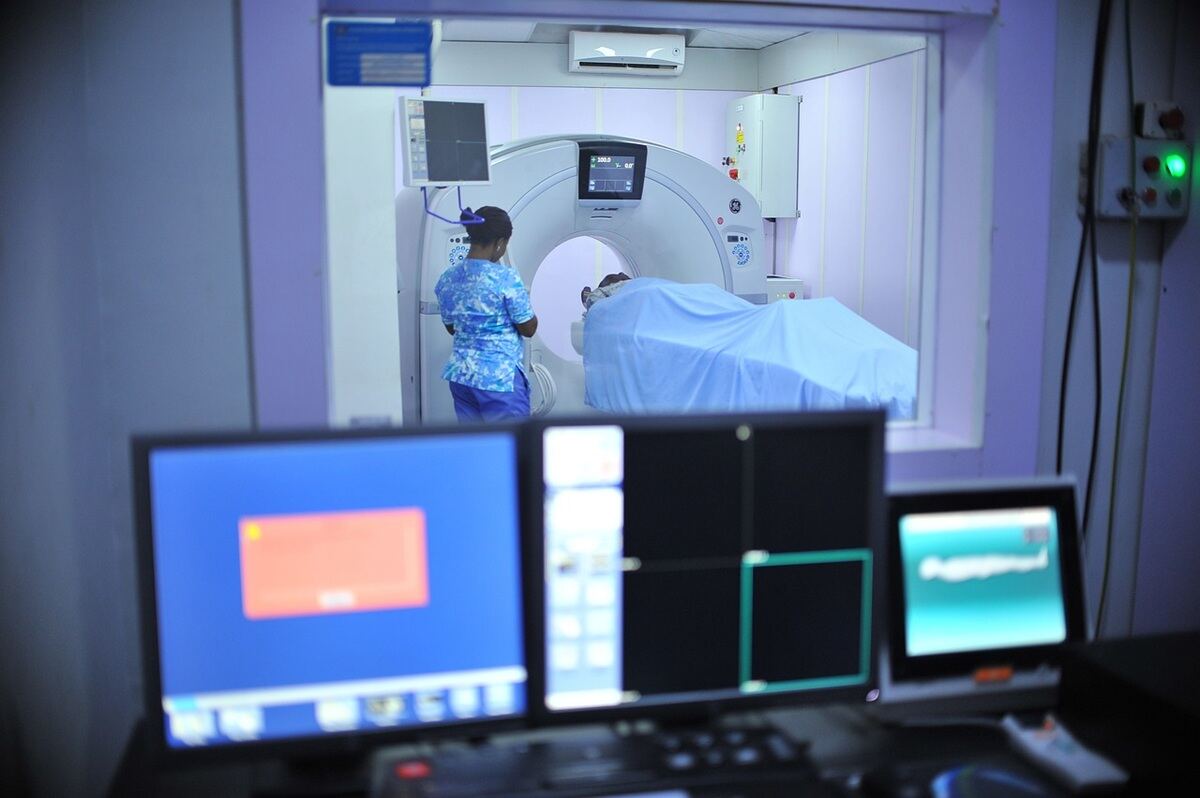
To truly understand the detriment inflicted upon American citizens by this inelastic sick care trap, one must look outward across the globe where numerous nations approach healthcare through a preventative and systemic lens that neutralizes the dangers of inelastic demand before acute crises ever occur. In countries renowned for advanced preventative medicine such as South Korea, Germany, Japan, and thriving medical hubs in Latin America and Southeast Asia including Thailand and Costa Rica, routine and proactive diagnostics are treated as a standard pillar of public health. South Korea integrates aggressive national health screening programs that make advanced diagnostics including low dose scans, endoscopies, and specialized cancer biomarker tests widely accessible and routine for citizens as they age. Early stage cancers are caught years before symptoms manifest. In nations like Germany or medical tourism destinations in Latin America and Asia, patients can access comprehensive full body imaging packages, cardiac evaluations, and deep biomarker panels for a fraction of United States costs. While premium preventative whole body scans in the United States often cost thousands of dollars out of pocket and are rarely covered by insurance, equivalent or superior diagnostic packages abroad range from a few hundred to a thousand dollars, delivered with rapid turnaround times and exceptionally high standards of care. Catching a micro lesion on a preventative scan or identifying arterial plaque accumulation years before a myocardial infarction is viewed in these nations as both a moral imperative and an economic common sense measure. Treating stage zero cellular changes costs pennies compared to managing an emergency triple bypass surgery or late stage metastatic chemotherapy.
In stark contrast, the American system actively discourages proactive diagnostics for healthy individuals. Health insurance in the United States is fundamentally sickness insurance rather than true health insurance. Policies rarely cover preventative full body scans, advanced screening imaging, or deep body mapping unless a patient already exhibits severe symptoms or carries an explicit and documented genetic predisposition. By gating advanced diagnostics behind strict symptom based criteria, the United States system ensures that diseases are often diagnosed only after they have progressed into expensive and highly inelastic medical emergencies. By the time a tumor is large enough to trigger insurance approved diagnostic imaging, the patient has crossed the threshold from preventable wellness into high profit acute care.
The convergence of inelastic demand and a profit driven sick care model creates compounding horrors for everyday Americans. In almost no other developed country do citizens face bankruptcy because they contracted cancer, broke a bone, or needed insulin. In the United States, medical debt is the leading cause of personal bankruptcies. Because demand is inelastic, medical providers and collection agencies can pursue patients for exorbitant balances, garnishing wages and destroying credit scores for daring to survive an illness. When individuals face high deductibles, co-pays, and skyrocketing premiums, the illusion of choice turns into deadly self rationing. Millions of Americans skip annual checkups, ration their insulin, avoid dental cleanings, and ignore persistent pain because they cannot afford the diagnostic toll. Conditions that are entirely treatable in their infancy morph into life threatening emergencies because patients waited until their bodies forced their hand, making their ultimate medical consumption even more inelastic and expensive. Beyond the physical and financial destruction, the American model inflicts a pervasive psychological tax. Citizens live under the constant and low grade terror that a single car accident, genetic fluke, or workplace injury could wipe out generational savings and reduce them to penury. This anxiety itself is a chronic health stressor, compounding the very disease burdens the healthcare system claims to alleviate.
The American healthcare crisis is not an inevitable consequence of modern medicine, nor is it simply a byproduct of an aging population. It is the predictable and mathematical outcome of treating human biology as an inelastic commodity market. When survival is priced without restraint and preventative wellness is sidelined in favor of high margin crisis management, citizens become hostages to their own anatomy. True reform requires shifting the paradigm entirely. By decoupling healthcare from extractive profit motives, expanding public options, and embracing the proactive and preventative diagnostic philosophies standard in nations that prioritize human longevity over quarterly earnings, America could dismantle the predatory grip of inelastic demand. Until then, the system will continue to profit from pain, treating human life not as a priceless public good, but as the ultimate captive market.
About The Author