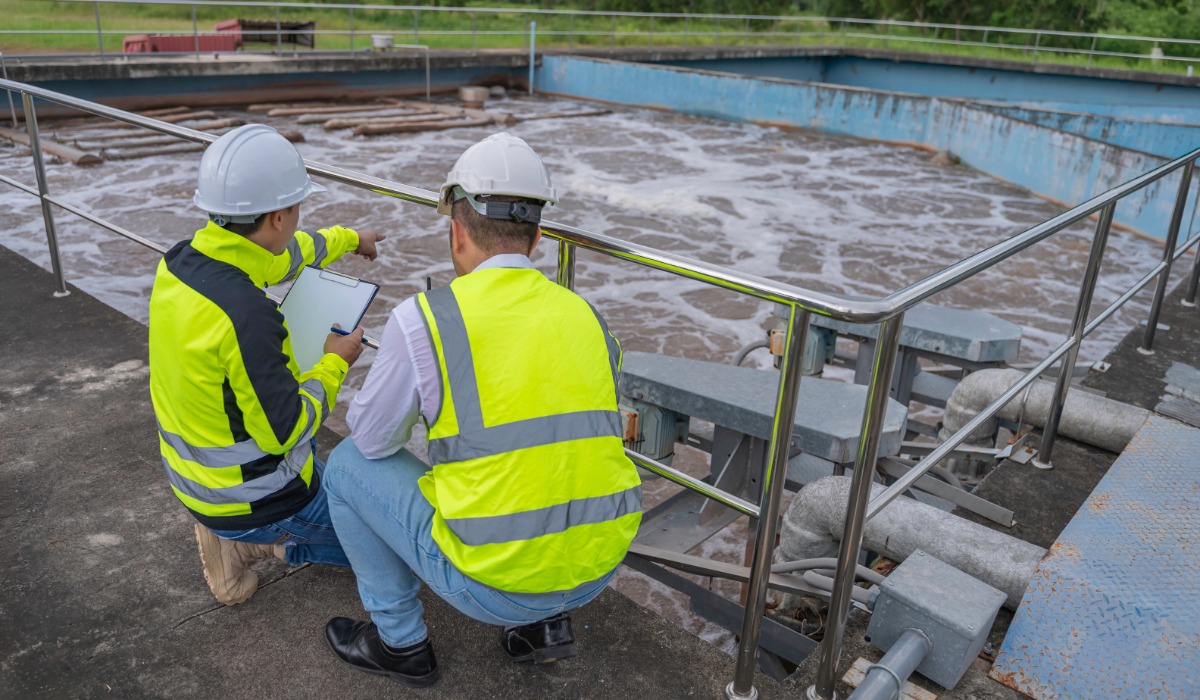
Municipal wastewater systems are among the most important yet frequently overlooked components of public infrastructure. Every day, these networks transport and treat wastewater from homes, businesses, and public facilities, protecting communities from contamination and environmental damage. However, many municipalities face growing challenges that threaten the reliability of these essential services.
Aging infrastructure, financial constraints, and changing environmental conditions are placing additional pressure on wastewater systems nationwide. These problems extend beyond routine maintenance, raising important questions about public spending, government accountability, and long-term infrastructure planning. Understanding the challenges facing municipal wastewater systems is essential for residents and policymakers who want to protect public health while making responsible decisions about community resources.
Aging Infrastructure and Financial Challenges
One of the most significant challenges facing municipal wastewater systems is the deterioration of aging infrastructure. Many American communities rely on sewer pipes, pumping stations, and treatment facilities constructed decades ago. Although these systems were designed for long-term operation, continuous use and exposure to corrosive materials eventually compromise their performance.
As infrastructure deteriorates, municipalities face increasing risks of pipe failures, wastewater leaks, and service interruptions. Underground sewer lines can develop cracks that allow groundwater to enter the system, placing additional pressure on treatment facilities. These problems often remain unnoticed until they cause expensive damage or disrupt services.
Replacing aging infrastructure requires substantial investment and careful planning. Local governments must determine which improvements deserve immediate attention while balancing wastewater needs against other public priorities. Delaying necessary repairs might reduce short-term spending, but it can create significantly greater financial obligations in the future.
Unfortunately, maintaining municipal wastewater systems requires consistent funding, and many communities struggle to secure sufficient resources. Treatment facilities consume considerable energy, specialized equipment requires regular maintenance, and infrastructure replacement projects can cost millions of dollars. These expenses create difficult budgeting decisions for local officials.
Municipalities typically finance wastewater operations through customer service fees, municipal bonds, and available government assistance programs. However, increasing rates place additional financial pressure on households, particularly in communities where residents already face rising living expenses. Elected officials must balance affordability with the responsibility to maintain reliable public services.
Federal and state infrastructure programs can help municipalities address critical improvements, but funding opportunities don’t eliminate the need for local financial planning. Communities must evaluate long-term maintenance requirements and establish realistic investment priorities. Transparent budgeting and public communication can help residents understand why wastewater infrastructure deserves sustained financial attention.
Sewer Blockages and Preventable Maintenance Problems
Beyond aging equipment and financial limitations, sewer blockages represent another persistent challenge for municipal wastewater operations. Grease buildup, accumulated debris, and improperly discarded household materials can restrict wastewater movement through underground pipes. When these obstructions become severe, they can trigger sewage backups, property damage, and potentially hazardous overflows.
Many sewer obstructions originate from everyday disposal practices. Cooking grease can accumulate along pipe walls, while products marketed as flushable might not break down quickly enough to move safely through wastewater networks. Tree roots can also enter damaged sewer lines, creating additional restrictions.
Municipal maintenance departments must identify these problems before they develop into major disruptions. Regular inspections, preventive cleaning, and targeted repairs can reduce the likelihood of system failures. Understanding how to prevent blockages in sewer systems help infrastructure managers develop maintenance strategies that protect public resources and minimize avoidable repair costs.
However, municipal governments cannot prevent every sewer blockage through infrastructure maintenance alone. Residents and businesses also influence system performance through their disposal habits. Public education campaigns can explain why grease, wipes, and other inappropriate materials shouldn’t enter municipal sewer networks.
Population Growth and Environmental Pressures
Population growth introduces additional complications for wastewater infrastructure planning. As communities expand, existing sewer networks must accommodate increased wastewater volumes from new residential developments and commercial properties. Systems designed for smaller populations might lack the capacity to support these demands.
Rapid development can require municipalities to expand treatment facilities or construct additional pumping stations. However, these projects often involve lengthy approval processes and substantial public investment. Without coordinated planning, development can outpace infrastructure improvements, increasing the risk of operational failures.
Population decline creates a different financial challenge. Communities experiencing shrinking customer bases might struggle to maintain infrastructure originally designed for larger populations. This makes wastewater planning an important consideration in broader discussions about economic development and responsible municipal growth.
Changing weather patterns create additional uncertainty for wastewater operations. Heavy rainfall can overwhelm collection systems, particularly in older communities where stormwater and sanitary sewage share infrastructure. Flooding can also damage electrical equipment and interrupt treatment operations.
When wastewater systems exceed their capacity, untreated sewage can enter waterways or surrounding properties. These incidents threaten environmental quality and can expose residents to harmful contaminants.
Regulatory Compliance and Operational Challenges
Municipal wastewater facilities operate under environmental regulations intended to protect public health and water quality. The Clean Water Act establishes an important framework for controlling pollutant discharges, while federal and state agencies oversee applicable treatment requirements.
Meeting these standards can become increasingly complicated as infrastructure ages and treatment demands evolve. Facilities might need equipment upgrades or improved monitoring capabilities to maintain compliance. Smaller municipalities often face particular difficulties because they have fewer financial and technical resources available.
Regulatory requirements also create important policy discussions about balancing environmental protection with municipal affordability. Effective oversight must recognize the financial realities facing communities without compromising essential safeguards. Cooperation between local governments and regulatory agencies can help identify practical compliance strategies.
Beyond regulatory concerns, wastewater treatment depends on trained professionals who understand complex mechanical systems and environmental requirements. However, recruiting and retaining qualified operators remains difficult for some municipalities. Retirements and competition for technical workers can leave departments struggling to maintain adequate staffing.
Technology offers opportunities to improve operational efficiency through automated monitoring and advanced diagnostic equipment. These systems can help operators identify equipment problems earlier and make better maintenance decisions. Nevertheless, technological improvements require upfront investment and employees capable of managing increasingly sophisticated infrastructure.
Addressing these interconnected challenges requires more than responding to emergencies. Municipal leaders must establish long-term maintenance strategies that account for equipment replacement, population changes, and financial sustainability. Preventive investments can help reduce unexpected failures while protecting essential services.
Public accountability also plays an important role in successful infrastructure management. Residents benefit when local officials communicate system conditions, explain proposed expenditures, and demonstrate how infrastructure investments support community interests.
Municipal wastewater systems rarely attract public attention until something goes wrong. However, their reliability directly affects public health, environmental protection, and economic stability. By prioritizing responsible funding, preventive maintenance, and transparent decision-making, communities can strengthen these essential systems while preparing for future challenges.
About The Author