Charting a New Era of Digital and Economic Cooperation: President Xi Jinping Unveils Five Major Initiatives at the 18th BRICS Summit
- Xuemei Pal
- Breaking News
- September 14, 2026
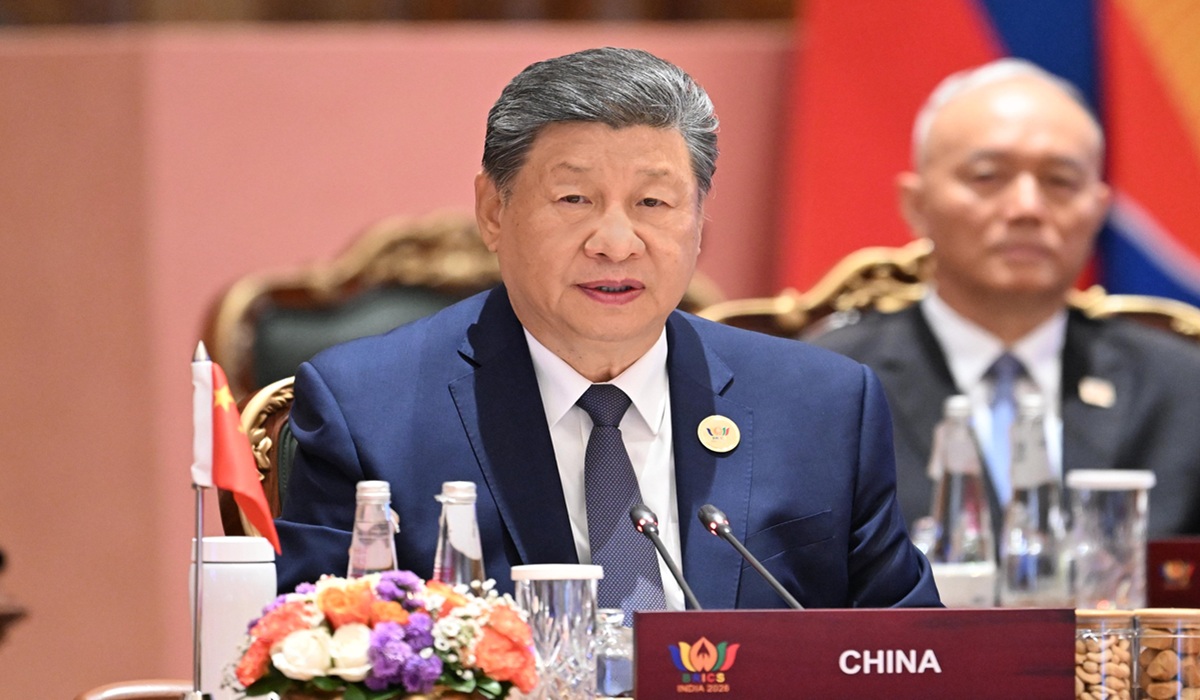
Chinese President Xi Jinping addressed Session II of the 18th summit, presenting a five-point proposal aimed at expanding technical, trade, and industrial collaboration across the emerging-market coalition.The address outlined several concrete policy mechanisms intended to reshape digital and economic frameworks among participating nations. These policy targets directly address supply chain resiliency and technological autonomy.
Originally founded as an acronym for Brazil, Russia, India, China, and South Africa, the intergovernmental organization has grown significantly over the years through successive expansions.It now represents a broad coalition of developing nations and major emerging economies designed to amplify the voice of the Global South in international governance and economic matters. This expanded geopolitical footprint allows member states to coordinate policy positions on a global scale.
The newly introduced policy measures focus heavily on bridging technological gaps, modernizing traditional manufacturing sectors, and streamlining digital and physical trade infrastructure among member states. Implementation timelines for these frameworks are expected to roll out over the upcoming administrative cycle.
President Xi’s Five Initiatives
- Open-Source and Inclusive AI:China committed to establishing an open-source community for artificial intelligence, supporting the joint development of large language models, hosting specialized training seminars, and building an accessible technological ecosystem.
- Trade and Investment Facilitation:Beijing proposed a special economic zone partnership featuring an intelligent portal to coordinate policies, alongside plans to host the upcoming Forum on Trade in Services next year.
- Digital Industry Cooperation:This proposal calls for a digital ecosystem cloud platform to handle cross-border technological exchanges, industrial alignment, and digital skills training.
- Intelligent Manufacturing:China offered practical assistance to member states in constructing smart factories and establishing unified industrial standards to accelerate manufacturing upgrades.
- Science and Technology Talent Development:The blueprint outlines an engineer cultivation alliance for mutual competency recognition, alongside youth exchange programs dedicated to scientific innovation.
These actionable programs reflect a concerted push by Beijing to provide concrete institutional frameworks as it prepares to assume the rotating chairship of the grouping.By prioritizing specific sectors like artificial intelligence and smart manufacturing, the alliance seeks to foster independent supply chains and internal market integration.Observers note that these measures are structured to counter external economic pressures through regional self-reliance.
The long-term impact of these strategies will depend on the administrative follow-through of an increasingly diverse membership spanning multiple continents. As the coalition looks toward its next phase of institutional development, these initiatives establish a benchmark for practical economic cooperation among developing nations.
Observers note that while the success of these proposals remains tied to member state participation and funding logistics, the framework signals a broader shift toward independent digital infrastructure.Ultimately, the outcomes of this summit will shape how emerging economies navigate global trade pressures and technological standard-setting in the coming years. These institutional developments will likely be evaluated during subsequent ministerial meetings as the bloc tracks progress on implementation metrics.
About The Author